Article
Kigali workshop bridges the gap between research evidence and policy action
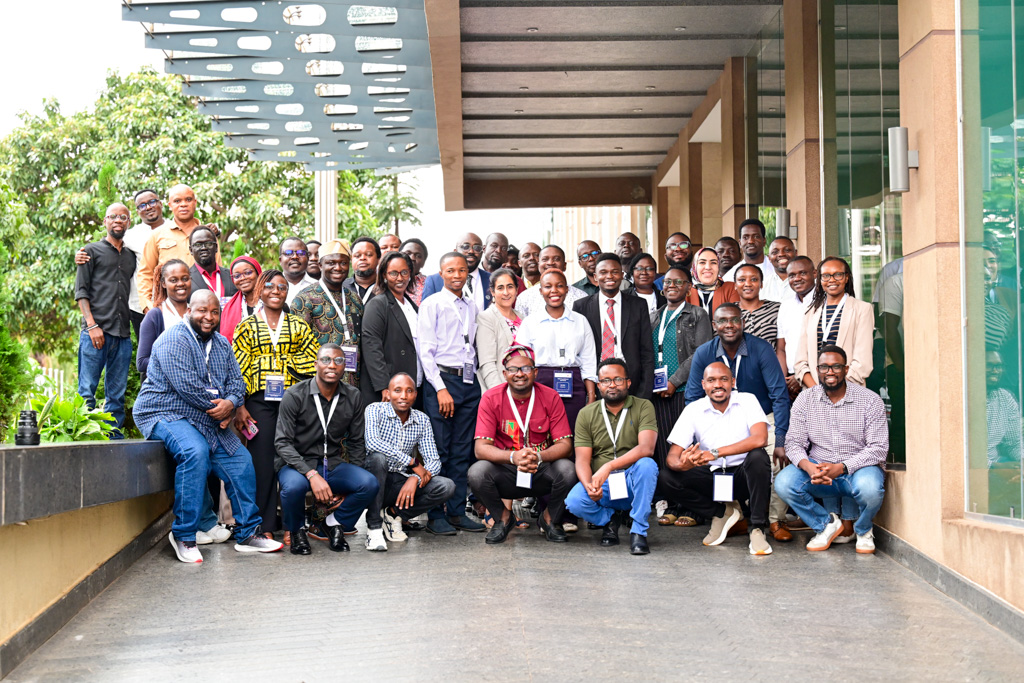
Between 20-22 November 2026, the Africa Pandemic Sciences Collaborative hosted 32 early-career African researchers and policy professionals in Kigali, Rwanda, for a three-day foundational training under the flagship Individual Policy Exchange Programme (iPEP).
The iPEP fellowship is a flagship programme of the Africa Pandemic Sciences Collaborative, which pairs young researchers with policymakers across Africa to exchange knowledge across disciplines and develop policy products together. It aims to build a critical mass of researchers and policymakers who can bridge evidence generation and policy uptake.
The iPEP Foundational Training workshop aimed at equipping the fellows from its second and third cohorts of the programme, with requisite skills and knowledge needed to turn pandemic research into practical policy tools, helping bridge the gap between scientific evidence, decisions and actions on pandemic preparedness and response.
Working in assigned pairs, the fellows develop and commit to working on a policy project addressing current priority policy issues within their host institutions, over the next year.
Over the next four years, over 70 fellows will receive support for knowledge exchange visits and policy product development under the iPEP Fellowship.
Convened by the policy workstream of the Africa Pandemic Sciences Collaborative, the three-day iPEP Foundational training workshop targeted 16 newly onboarded research fellows paired with 16 junior fellows from regional policy institutions.
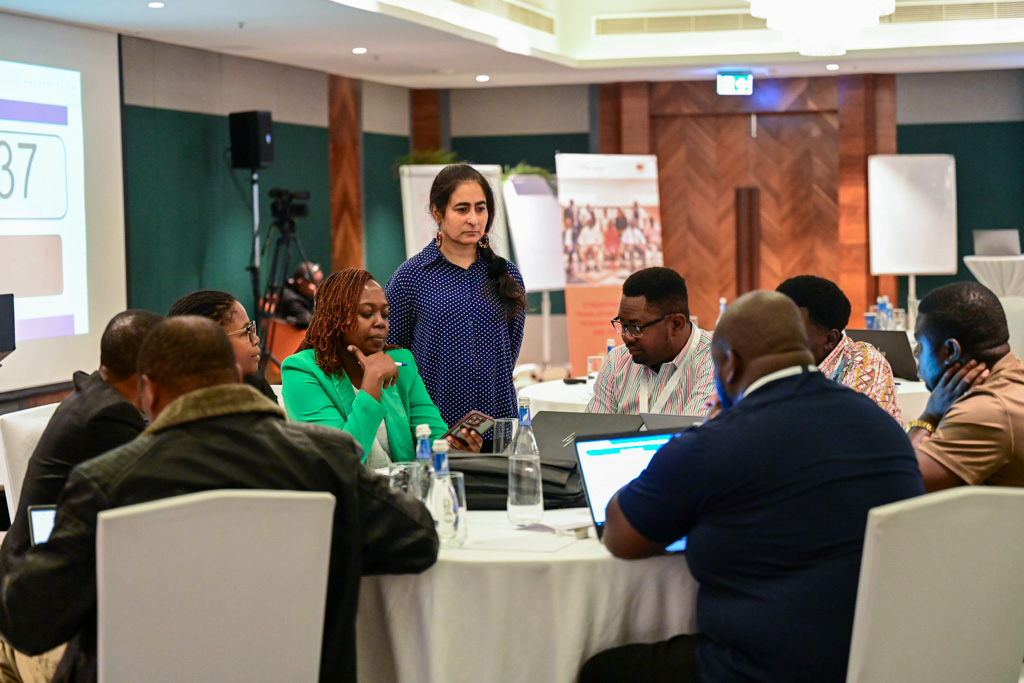
Through expert facilitation by mentors from Cochrane and AFIDEP, the workshop equipped fellows with practical skills and knowledge needed to translate pandemic sciences research into policy-relevant products, communicate evidence effectively, engage decision makers and strengthen the links between research institutions and policy organisations.
They co-created policy briefs, evidence briefs, data visualisations, elevator pitches and stakeholder engagement workplans, that respond to their policy projects, with mentors and facilitators helping them refine these outputs through ought the workshop.
“As I was preparing for this workshop, I really did not know how this workshop was going to help me advance my work [as a researcher]. However, after sitting here for the last three days, I have walked away with a deeper appreciation of the importance and the work it takes to move research into action through engagement with policy and decision makers. It is not enough to just draft and publish in high-impact journals; this evidence needs to strategically move into decision and policy making spaces,” said Marie-Ange Kadjo, an iPEP cohort 3 fellow from Cote d’Ivoire.
We had representation from over 17 countries drawn from across the Collaborative seven research network and policy institutions from across Africa and beyond.