Article
Human connections for better collaborations: Highlights from the 2026 Annual Meeting of the Africa Pandemic Sciences Collaborative
How many things can change in just over a year?
When the Africa Pandemic Sciences Collaborative members convened for the first time last year, we shared a common vision of advancing pandemic sciences across the continent. Our EPSILONs, the seven consortia of research excellence we are supporting, had just been formed; we had ideas and plans, but several of the people now sharing our journey weren’t even with us yet.
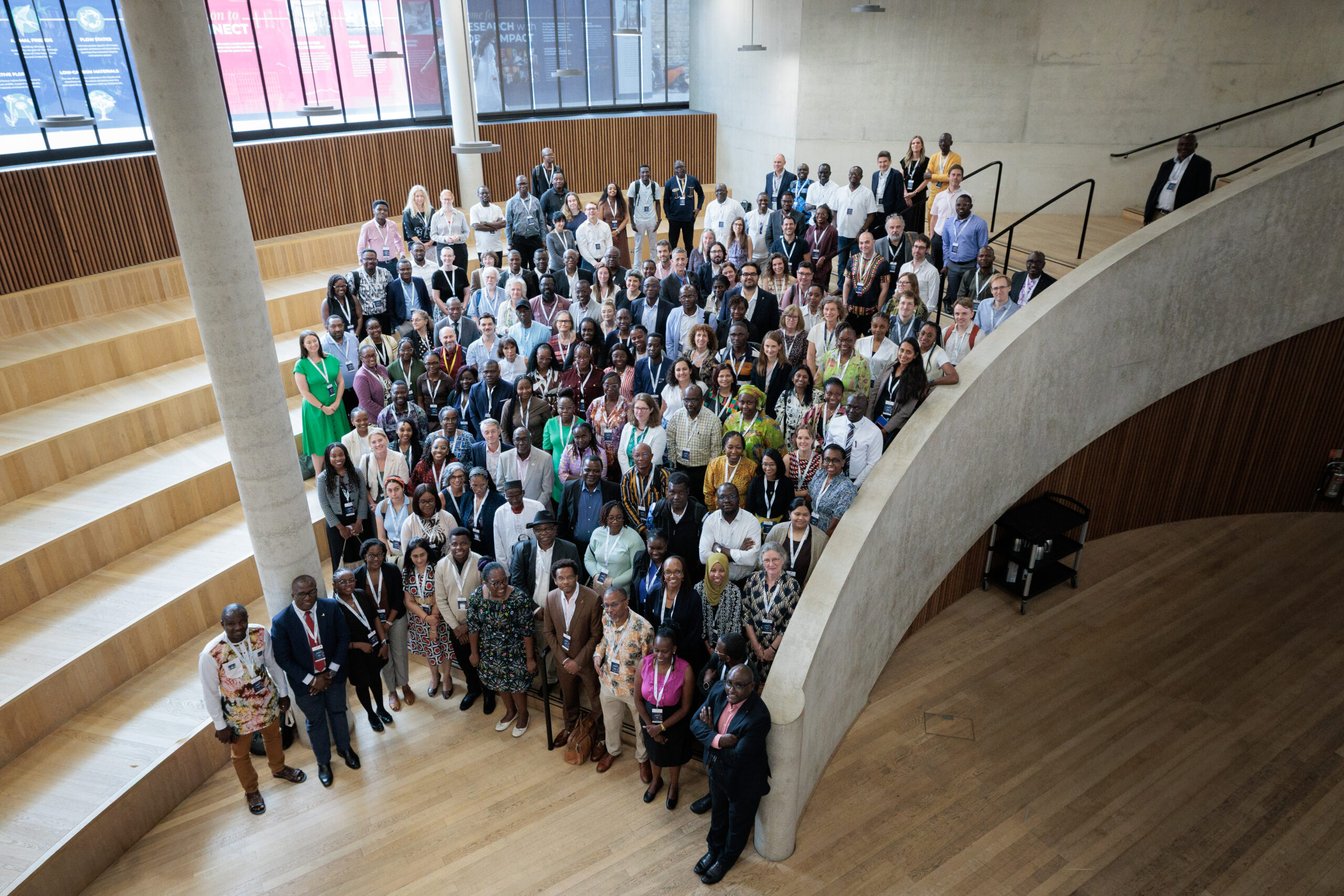
At our second Annual Meeting, hosted in August in Oxford, we fully realised how much the Collaborative has grown in the meantime, both in size and in ambition. From vaccinology and virology to clinical trials and surveillance, and from modelling to ethics and policy – the Collaborative’s research is already contributing to real-world epidemic preparedness and response, including to the Bundibugyo Ebolavirus outbreak.
During the Annual Meeting, research updates were often shared by our early-career scientists, who spoke with confidence and authority in representation of a growing cohort of up-and-comingscientists and professionals. This is what the Collaborative aims to do – nurture the next generation of African scientists and enable them to strengthen pandemic resilience in Africa and worldwide.
The Collaborative, however, is more than a network of researchers. It’s the technicians who support research activities; the finance professionals who help run projects smoothly, sustainably and compliantly; the programme teams who make sure that lasting change can be delivered. It’s the MEAL specialists who track impact and ensure accountability; the communications professionals who mobilise vital information; and the policy teams who help transform research into effective solutions.
With these colleagues and many more – from our partner institutions, our EPSILONs and our broader network – we spent five days constantly learning from each other. Meetings like these consolidaterelationships and increase mutual trust, leading to better collaborations that are informed by different perspectives and expertise.
We don’t simply want our researchers to succeed. We want our institutions to emerge more robust and resilient, helping create a solid ecosystem where one’s strength is everybody’s strength. Where clear pipelines to policy and practice exist, allowing our work to improve the lives of our people.
That’s how, together, we will nurture and equip an emerging generation of young African scientists to tackle epidemic and pandemic threats – today and in the future.

