Article
MEAL leads convene to strengthen alignment across the Collaborative
24-27 November 2025 | Lagos, Nigeria
The Africa Pandemic Sciences Collaborative exists to strengthen Africa’s capacity for pandemic preparedness through evidence-driven decision-making, strong institutions, and learning systems that respond to context. This was a central message highlighted over four days of a workshop that recently took place in Lagos, Nigeria.
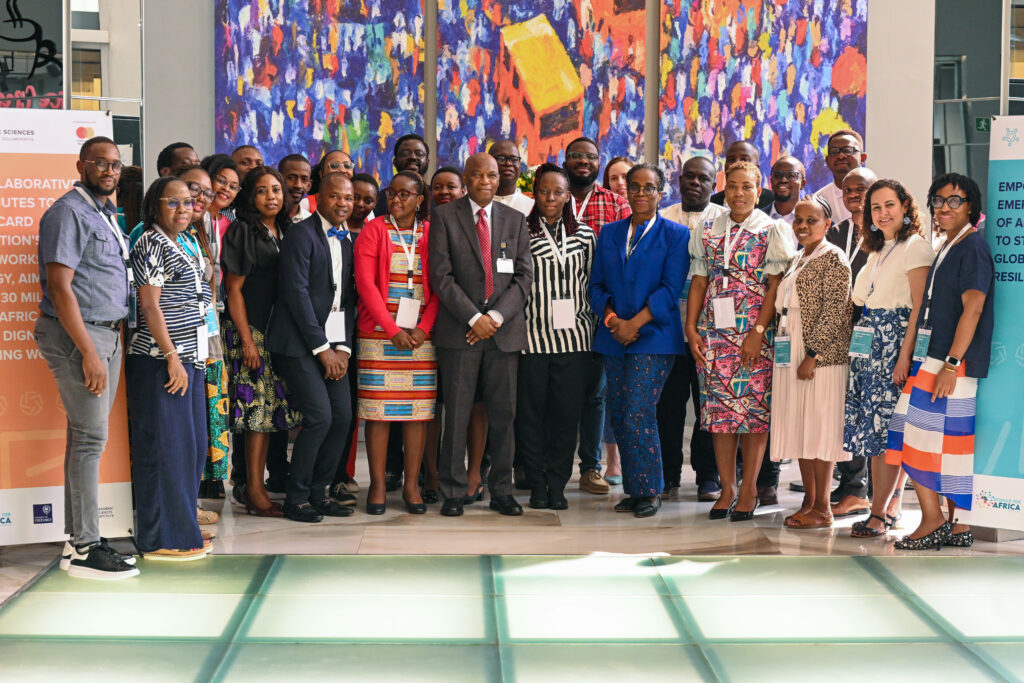
Monitoring, Evaluation, Accountability and Learning (MEAL) leads from all seven EPSILON consortia met in Lagos for a four-day onboarding workshop aimed at strengthening alignment, sharpening shared understanding, and establishing a unified approach to monitoring, evaluation, accountability and learning across the Collaborative.
Co-hosted by SHARPER and SPIL-OVA consortia based at the University of Ibadan and Redeemer’s University respectively, the workshop brought together programme managers, workstream leads, and partners from Mastercard Foundation, SFA Foundation, the Pandemic Sciences Institute and a representative from the Africa Oxford Initiative.
The importance of MEAL to the Collaborative
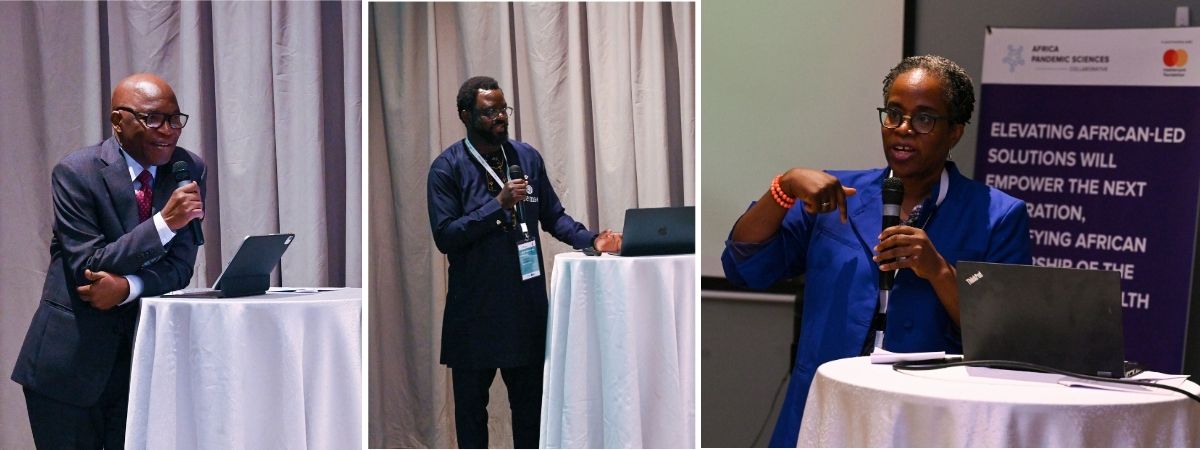
The University of Ibadan’s College of Medicine Provost, Professor Temidayo O. Ogundiran officially welcomed participants to Lagos and delivered the keynote address at the workshop. In his speech, he highlighted the significance of the MEAL function to the success of the Collaborative’s work.
“I am informed that this onboarding workshop has been carefully put together to strengthen all seven EPSILONs and to equip you with the necessary tools and frameworks to track progress, document results, and define learning, plus engage other stakeholders meaningfully. A robust MEAL system is needed to ensure that interventions are timely, decisions are evidenced correctly, progress is measured, and our impact is sustained – it should be rooted in transparency, excellence and shared commitment to deliver on the goals of the Collaborative”, Prof. Ogundiran remarked.
Carol Nuga, Director of Impact at the Mastercard Foundation, highlighted the evolution of the Foundation’s work – from individual scholarships to institutional strengthening, workforce development, and network-building to increase social capital to achieve our shared goals. She emphasised that MEAL is central to realising impact, influencing ecosystems, and ensuring young people benefit from dignified and fulfilling career pathways.
Building shared understanding and operationalisation of the MEAL Function
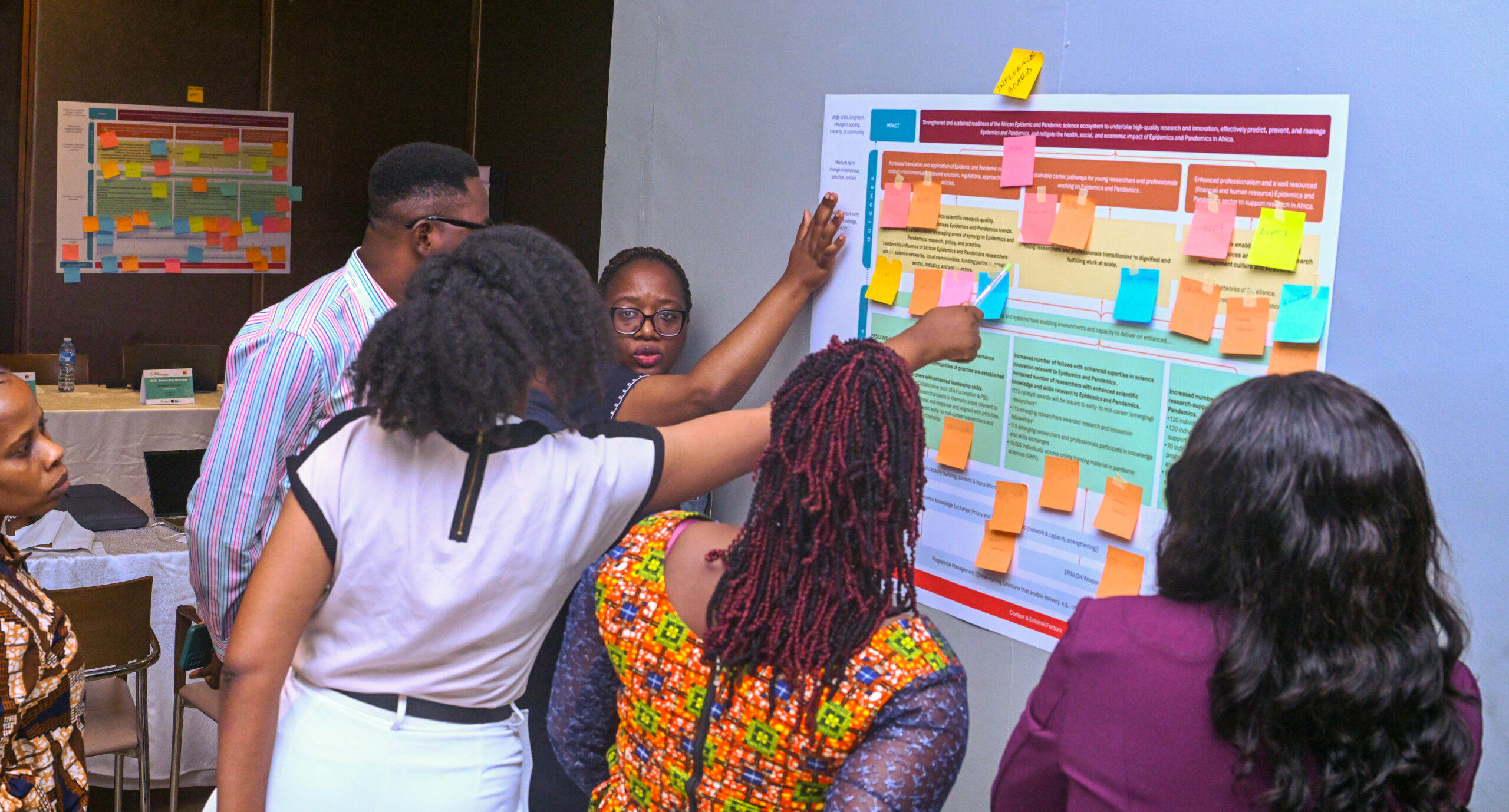
Over the four-day workshop, participants explored the structure of the Collaborative, the role of MEAL as a cross-cutting function, and the distinction between programme-level implementation by the EPSILONs and the overarching strategy led through wrap-around activities. Sessions reflecting on the Collaborative’s Theory of Change prompted deep discussion on accountability, influence, contextual differences and how MEAL can capture progress in real time.
The workshop also surfaced operational realities – from language diversity and bureaucratic constraints to the need for clear data responsibilities and integrated reporting systems. Demonstrations of the Collaborative’s MEAL tool helped teams understand how indicators, dashboards and learning inputs will be managed across institutions.
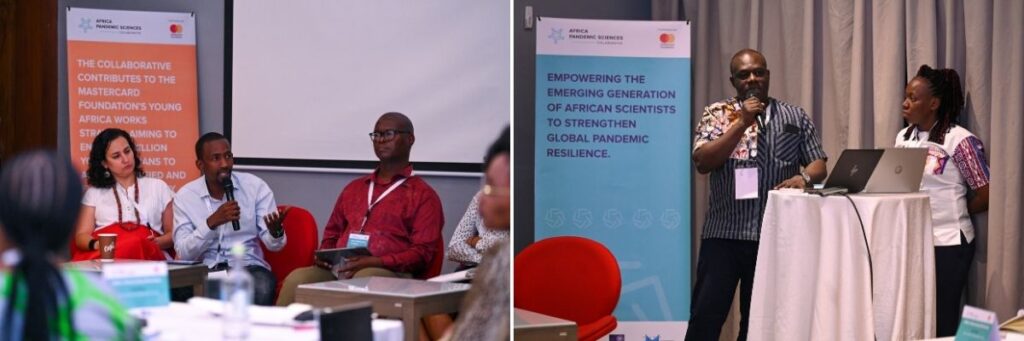
A panel on research-to-policy influence underscored the importance of trust, evidence synthesis, and science communication – key capabilities the Collaborative aims to strengthen across EPSILON teams. Additional sessions focused on impact storytelling, responsible communication, and the role of MEAL in shaping narratives of change.
Days three and four focused on translating principles into practice. Teams reviewed indicators at EPSILON and Collaborative levels, explored data flow and responsibilities, and discussed the MEAL tool that will support real-time reporting and learning.
By the final day, participants revisited the Collaborative’s Theory of Change with new clarity, refining their contributions and areas of influence. The workshop closed with a shared commitment to co-creation, continuous learning, and to building MEAL systems that reflect African contexts and strengthen pandemic readiness.
“This meeting has been engaging and packed with a lot of information. But most importantly, it has been useful in clarifying a lot of things, especially at the beginning of our work in the consortia, before activities kick-off and we need to change tack mid-way. I am grateful for this opportunity and go away with a better understanding of what lies ahead of us,” said Purity Wambui, a MEAL lead from the CLEAR-Africa consortium.
Looking Ahead
Across four days, one message rang consistently: this Collaborative is an opportunity to build something transformative – not only for institutions, but for African health systems, scientific ecosystems, and future generations of researchers and policymakers.
The MEAL onboarding workshop did more than align frameworks. It built trust. It clarified roles. It surfaced the complexity and promise of working across contexts, disciplines and expectations. And it reminded participants that the strength of the Collaborative lies in the people driving it.
“Having missed the inception meeting in Nairobi, I am grateful for the opportunity to be a part of this workshop. Before this, I was very confused about the whole Collaborative and how it works. I also had a limited scope to the objectives and goals of the programme. But now, I have a big picture view of what we are trying to do, and how everything fits in together,” said Dr Chinedu Ugwu, a co-lead from the SPIL-OVA consortium.
Together, the Collaborative is laying the groundwork for rigorous science, stronger systems, and evidence that genuinely shapes Africa’s readiness for future epidemics and pandemics.