Article
Three Consortia, One Mandate: Inside Uganda’s EPSILONs Unified Pandemic Preparedness and Response System
The lull between outbreaks is often defined by a quiet, dangerous erosion: trained personnel move on, specialized laboratories pivot, and institutional memory fades. When the next virus occurs, Africa’s scientific community is forced to rebuild its response efforts from scratch.
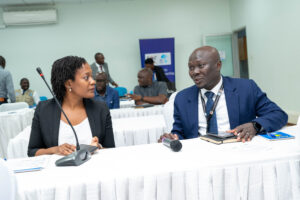
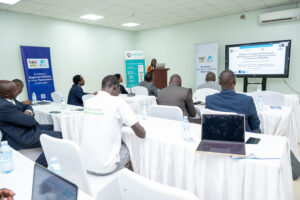
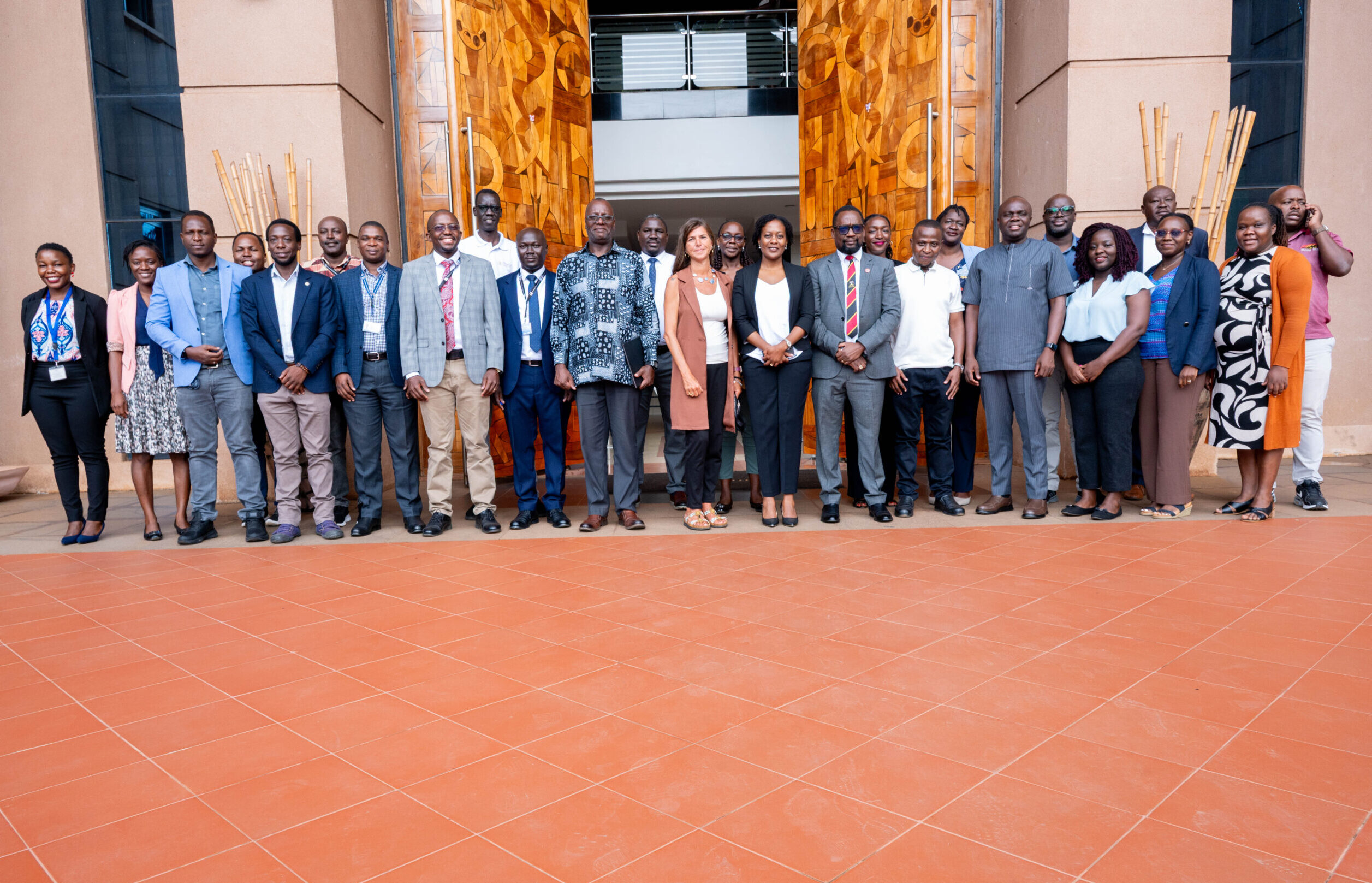
On July 31, 2026, inside the Sande McKinnell Centre at Makerere University’s Infectious Diseases Institute (IDI) three Ugandan-based Epidemic and Pandemic Sciences Innovation and Leadership Networks (EPSILONs) consortia committed to a different approach: build connections before the next outbreak, not during it.
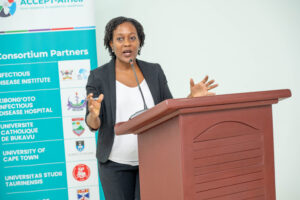
The Uganda EPSILON Mini-Launch brought together: Advancing Capacity for Early Phase Trials for Pandemics and Epidemics in Africa (ACCEPT-Africa), Prevention and Response to Emerging viruses with Pandemic potential in Africa Epsilon (PREPARE) and Strengthening Health systems capacity in Africa for Pandemic Equity and Responsiveness (SHARPER) – three consortia working across different but interconnected areas of pandemic preparedness under the Africa Pandemic Sciences Collaborative. Their meeting marked a shift from parallel efforts towards greater collaboration and long-term capacity building.
Beyond Parallel Silos
Each consortium brings a distinct capability to Uganda’s pandemic preparedness.
ACCEPT-Africa focuses on clinical trials and medical countermeasures, building the capacity to design and conduct early-phase clinical trials in Africa. PREPARE is focused on an early vaccine and diagnostic development for priority pathogens
helping generate timely evidence on emerging pathogens. SHARPER focuses on the social, ethical and community dimensions that underpin effective research and response.
“ACCEPT-Africa was built to move fast when speed matters most,” said Dr Christine Sekaggya-Wiltshire, who leads the consortia. “But no single network can prepare a country alone. Standing alongside SHARPER and PREPARE today means we can pool our strengths, share what each of us has learned, and respond as one system instead of three.”
“Preparedness cannot live in silos,” added Dr Andrew Kambugu, IDI’s Executive Director. “Today’s Mini-Launch is IDI’s commitment to a Uganda where our pandemic science networks plan together, train together, and respond together, long before the next outbreak begins.”
The gathering brought together representatives from Uganda’s Ministry of Health, Makerere University College of Health Sciences, Africa CDC, the Science for Africa Foundation and research institutions, reflecting the range of actors needed to translate scientific capacity into effective preparedness.
The Case for Each Other
The morning’s presentations showed why the three consortia need each other.
Dr Daniel Kiiza laid out ACCEPT-Africa’s ambition to build a sustainable pool of independent African research scientists capable of designing and running early-phase trials rather than Africa remaining a site where products developed elsewhere are simply tested.
Dr Joyce Namulondo described PREPARE’s push to close the gap between an outbreak starting and a pathogen being understood. Using influenza as an example, she highlighted the role of genomic surveillance in tracking rapidly evolving viruses and generating evidence that can inform vaccine development.
Nimrod Muhumuza presented SHARPER’s case that no amount of laboratory excellence survives contact with a community that does not trust the response. The consortium’s guiding line was that researchers must not simply take science to communities but build science with them.
Together, the presentations made a simple point: detecting a pathogen, developing a medical response, and ensuring that communities can participate in and benefit from that response are not separate challenges. They are parts of the same pandemic preparedness and response system.
Building Science with the Community
The afternoon’s panel discussions moved quickly past administrative goals to address the stark realities of field deployment. When asked how response teams can navigate mistrust such as the tragic attacks on Ebola treatment units seen in neighbouring DRC during the 2026 outbreak, the consensus was unequivocal: technical excellence fails if community trust is absent.
Dr Moses Mulumba spoke about SHARPER’s focus on an “Afrocentric” approach to research, including examining whether research standards developed elsewhere adequately reflect African contexts and values. The approach also asks a broader question: whether communities are merely sources of data or participants who should experience meaningful benefits from the research.
Dr Christine Sekaggya-Wiltshire put it plainly: “We go beyond just the clinical trials; we build synergies with communities to understand their perceptions towards the work we are doing.”
Empowering Tomorrow’s Science Leaders
Central to the Africa Pandemic Sciences Collaborative’s mandate is ensuring that early-career researchers do not remain in administrative shadows. To operationalize this, Dr Sekaggya described ACCEPT-Africa’s Catalyst Groups in pharmacokinetics, clinical trials, bio-ethics and behavioral science, where junior scientists apply for grants under senior mentorship rather than waiting years to lead their first study.
Dr. Linda Murungi, Program Manager for the Africa Pandemic Sciences Collaborative, widened the definition of capacity building further. “It is not only about scientists,” she reminded the room, “but also the finance officers, grants managers and policy specialists who make African-led research possible. This institutional infrastructure may be less visible, but without it, no scientific breakthrough can survive.”
As the mini-launch concluded in Kampala, the significance of bringing the three consortia together was becoming clearer. Uganda’s pandemic preparedness does not depend on any single laboratory, research network or discipline. It depends on whether those capabilities can connect when they are needed.