SHARPER consortium launches to advance equitable pandemic preparedness and research benefit sharing in Africa

The SHARPER Project, a consortium of six partner institutions in six African countries, was launched to strengthen Africa’s health systems capacity to respond to pandemics in a more equitable and coordinated manner. Central to the project’s mission is improving how research benefits are shared with African communities, ensuring that populations participating in or affected by health research can access knowledge, innovations, and health system improvements that emerge from scientific work.

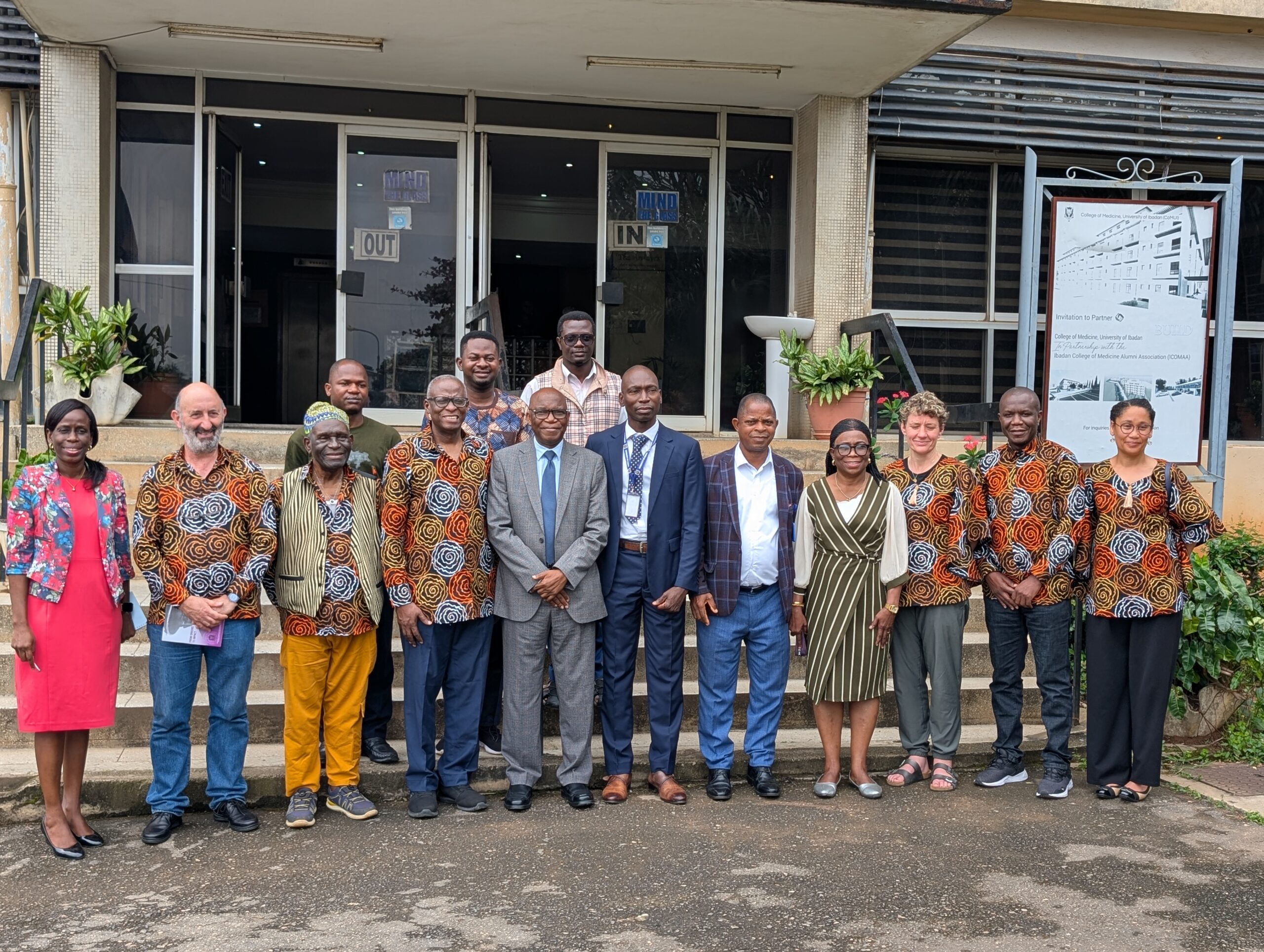
Thus, the inception meeting that was held in September 2025 at the University of Ibadan, the lead institution in Nigeria, gave representatives from the partner institutions an opportunity to develop the governance structure, research priorities, and operational strategies that will guide the consortium’s activities in the coming years.

While introducing the project to the management team of the University of Ibadan, the Principal Investigator, Prof Ademola Ajuwon reflected on the values of SHARPER, emphasising that, “in addition to its research activities, SHARPER will support early-career researchers through several targeted initiatives, such as Catalyst Grants to stimulate innovative research ideas, Research and Innovation Fellowships designed to build advanced research skills, Exchange Awards that enable cross-institutional collaboration and learning, and Short Courses aimed at strengthening competencies in pandemic research, policy engagement, and knowledge translation.”

Speaking further, Prof Leslie London, the Lead PI from the University of Cape Town, added that “these initiatives are intended to expand the pipeline of African researchers capable of leading interdisciplinary work on pandemic preparedness, benefit sharing, and health systems resilience.”

Ultimately, SHARPER aims to translate research output into practical policies, stronger research institutions, and more inclusive research practices that ensure communities benefit from scientific progress. Through sustained collaboration and investment in capacity development, the consortium aims to contribute to a more equitable and responsive framework for pandemic preparedness across Africa.

Article by: Adams Adeshola | [email protected] 

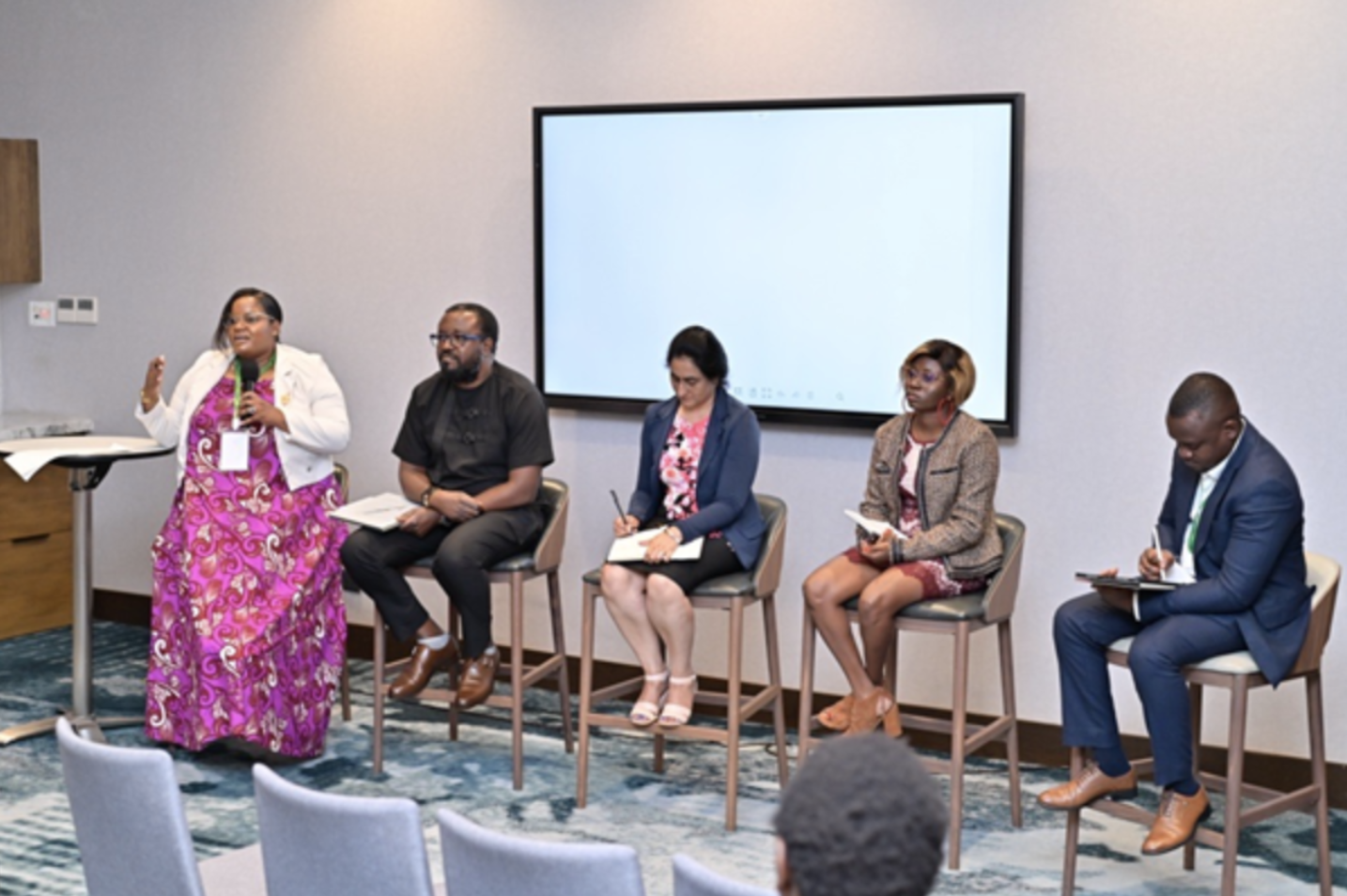
SHARPER project launched and convened researchers at an inception meeting in Nigeria, to align strategies for strengthening Africa’s capacity for equitable and responsive pandemic preparedness, with a strong emphasis on improving research benefit sharing for African communities and expanding opportunities for early-career researchers.

PREPARE network launches to strengthen Africa’s readiness for emerging viral threats

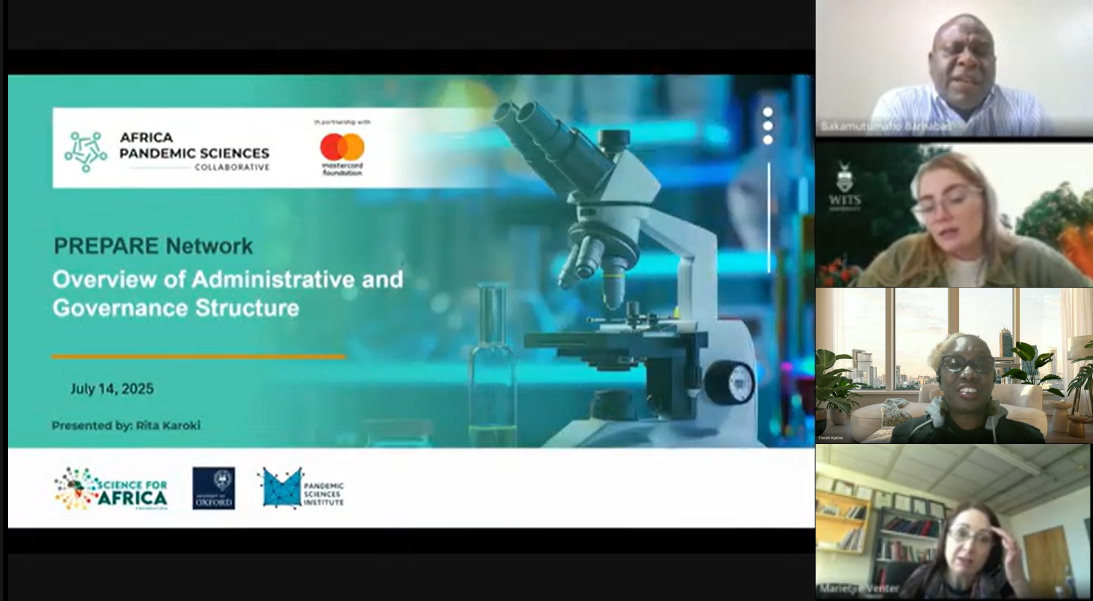
The Prevention and Response to Emerging Viruses with Pandemic Potential in Africa (PREPARE) Network officially launched with a virtual inception meeting held on 14 July 2025, bringing together project teams from Kenya, South Africa, Uganda, Côte d’Ivoire, and the Democratic Republic of the Congo. The meeting marked the start of a five-year programme aimed at strengthening Africa’s capacity to detect, prevent, and respond to emerging and re-emerging viral threats.

Led administratively by the Africa Population and Health Research Center (APHRC) and scientifically by Wits University, the inception meeting focused on introducing country teams, aligning on governance and administrative processes, and outlining the programme’s scientific and capacity-strengthening priorities. Partners endorsed a governance structure that includes a Management Committee and an independent Scientific Advisory Board to guide scientific quality and oversee capacity-building awards.

PREPARE is establishing key regional nodes across South, East, and West Africa, with a focus on clinical disease surveillance, multi-pathogen diagnostics, genomics and pathogen discovery, prototype vaccine development, and capacity strengthening. Clinical sites will use retrospectively collected samples alongside expanded prospective syndromic surveillance in humans, animals, and the environment to detect both known and unknown pathogens.

Capacity strengthening is a core pillar of the programme. Partners reviewed planned investments, including PhD positions, fellowships, exchange awards, and catalyst grants, alongside discussions on monitoring, evaluation, and communications. Country teams also shared existing surveillance platforms and laboratory capabilities, confirming strong foundations for implementing the programme’s One Health approach.

The meeting concluded with agreement on immediate next steps, including finalising contracts, constituting the Scientific Advisory Board, onboarding research staff once funds are released, and establishing regular check-ins to support coordinated implementation across the network.

New science partnership to strengthen Africa’s pandemic resilience

  • A groundbreaking research initiative is set to enhance Africa’s preparedness and response to future health crises.
  • The partnership will nurture and equip young African scientists to address epidemics and pandemics and support a thriving research ecosystem on the continent.
  • The Africa Pandemic Sciences Collaborative is a multi-year partnership between the Science for Africa Foundation (SFA Foundation), the Pandemic Sciences Institute (PSI) at the University of Oxford, and the Mastercard Foundation.

Nairobi, Kenya | Toronto, Canada | Oxford, UK, March 27, 2025 – The Science for Africa Foundation (SFA Foundation), the Pandemic Sciences Institute (PSI) at the University of Oxford, and the Mastercard Foundation today announce a new partnership to strengthen Africa’s resilience against future health threats.

The Africa Pandemic Sciences Collaborative will nurture and equip young African scientists – with the support of senior scientists – to address the current and future challenges of epidemics and pandemics. The goal is to create pathways for dignified and fulfilling careers in life science and to help build and retain a critical mass of high-calibre young scientists on the continent, ensuring knowledge continuity between generations of researchers while strengthening Africa’s resilience to emerging health threats.

The world, and Africa in particular, continues to experience outbreaks of infectious diseases with epidemic and pandemic potential, triggered and intensified by climate change, biodiversity loss, migration, displacement, and conflict. Increased and routine interactions between humans and animals – often driven by livelihood dependencies – create conditions for the spillover of pathogens.

In February 2025, there were 54 active outbreaks and 82 ongoing public health events across the continent. On average, Africa faces over 100 disease outbreaks annually, underscoring the urgency for scientific collaboration, health workforce development, stronger linkages with decision-makers, and coordinated preparedness and response. But despite representing approximately 17 percent of the global population, the continent produces only one-to-two percent of global health research publications, and there is an urgent need for sustainable funding to support career development.

Over the next six years, the Africa Pandemic Sciences Collaborative will strengthen partnerships between higher education and research institutions and policymakers in Africa and beyond to develop a thriving research ecosystem. The Collaborative will support institutions in conducting world-class, innovative research and in translating findings into impactful, locally relevant solutions that contribute to shaping and strengthening pandemic resilience and the broader health ecosystem.

The Africa Pandemic Sciences Collaborative will deploy an innovative structure based on networks of excellence called Epidemic and Pandemic Sciences Innovation and Leadership Networks (EPSILONs), each led by outstanding African scientists.

The Collaborative combines the Science for Africa Foundation’s extensive experience in strengthening and promoting science and innovation across Africa with the scientific expertise of the University of Oxford’s Pandemic Sciences Institute, which has a mission to discover, create and enable practical solutions for infectious disease threats worldwide.

The Collaborative is supported by the Mastercard Foundation in alignment with its charitable purpose of youth education and relief of poverty. Its Young Africa Works strategy aims to enable 30 million young Africans, particularly young women, to access opportunities for dignified and fulfilling work by 2030.

Professor Tom Kariuki, Chief Executive Officer of Science for Africa Foundation, said: “At the SFA Foundation, we are both honoured and energised by the transformative work that this Collaborative will drive in strengthening the preparedness and resilience of African nations, and beyond, against current and future pandemics. Africa is home to brilliant young minds with the talent and ingenuity to develop science-driven solutions that can safeguard and improve the lives of over 1.37 billion people across the continent. However, realising this potential requires the right mentorship, support systems, and resources. Our strategic partnership with the Mastercard Foundation and PSI forms a critical step in turning these innovations into impactful, real-world solutions.”

Professor Sir Peter Horby, Director of the Pandemic Sciences Institute at the University of Oxford commented: “COVID-19 showed us the vital importance of scientific research and innovation in developing and testing vaccines, treatments and diagnostics, ultimately saving lives and livelihoods. But it also exposed the fragility of global solidarity and the deeply ingrained inequity in who is empowered to generate new scientific knowledge and who benefits from that science. Five years on, it’s more important than ever that we support African-led, science-backed solutions to infectious disease threats. This partnership will nurture and train the next generation of African scientists, ensuring African priorities inform both regional and global solutions.”

Peter Materu, Chief Program Officer at Mastercard Foundation, said: “These investments will accelerate locally driven research, expand scientific leadership, and strengthen Africa’s ability to prepare for and respond to emerging health threats. By supporting a new generation of African researchers and institutions, this initiative will help shape a more resilient and self-sustaining health ecosystem across the continent.”

up-arrow white-up-arrow