The 2026 Ebola Outbreak: Why African Scientific Leadership and Collaboration Matter

The 2026 Ebola outbreak originating in the Democratic Republic of the Congo (DRC) represents a significant regional and global public health concern and highlights the critical role of surveillance, preparedness, scientific leadership, and regional collaboration in responding to epidemic threats.


SITUATIONAL OVERVIEW

In May 2026, health authorities in the DRC confirmed an outbreak of Ebola disease caused by the Bundibugyo strain of the virus in Ituri Province in the country’s northeast. Cases have since expanded to North and South Kivu provinces, and have also been reported in neighbouring Uganda, prompting heightened regional surveillance and preparedness efforts.

The World Health Organization (WHO) subsequently declared the outbreak a Public Health Emergency of International Concern (PHEIC), citing a growing number of reported infections in affected areas, the potential for cross-border spread, and the complex humanitarian and security conditions affecting response efforts in eastern DRC. The declaration is intended to strengthen international coordination and support for outbreak control measures.

As of 11 June 2026, 695 confirmed cases and 138 confirmed deaths had been officially reported in the DRC and Uganda. Health authorities are also investigating additional suspected cases as part of routine outbreak surveillance and case finding.  While the outbreak is unfolding in a context marked by population displacement, insecurity, misinformation, and limited humanitarian access in some affected areas, national authorities, researchers, and regional partners continue to deploy surveillance, diagnostic, and response measures to detect cases, interrupt transmission, and guide public health action.

The Bundibugyo strain presents particular challenges because no approved vaccines or specific treatments currently exist for this strain of Ebola virus. The outbreak therefore underscores the urgent need to strengthen Africa’s preparedness and response systems, accelerate research and development efforts, and expand equitable access to diagnostics, therapeutics, and outbreak response infrastructure.

At the same time, the response is also demonstrating Africa’s growing scientific leadership and the strengthening of African research ecosystems, public health institutions, and collaborative preparedness networks.

This is why the Africa Pandemic Sciences Collaborative exists. It aims to strengthen African-led research and institutions to enable them to conduct world-class, innovative research, and translate findings into impactful, locally relevant solutions that contribute to shaping and strengthening pandemic response and resilience and, ultimately, benefiting the continent’s health ecosystem for future generations.

The Africa Pandemic Sciences Collaborative stands in solidarity with affected communities and expresses its sincere appreciation to frontline healthcare workers, researchers, surveillance officers, laboratory teams, community health workers, and local leaders working tirelessly to contain the outbreak and protect lives. It is also committed to working with relevant health authorities and partners to effectively respond to this current outbreak.


THE COLLABORATIVE RESPONSE

Across the Collaborative’s Epidemic and Pandemic Science Innovation and Leadership Networks (EPSILONs), researchers and partners are actively supporting outbreak response and mitigation efforts spanning therapeutics, diagnostics, disease surveillance, clinical research, modelling, behavioural science, and community engagement.

In the DRC, researchers from our ACCEPT-Africa consortium are on the frontlines leading efforts with relevant health authorities and teams to identify cases, contain the spread of the virus, and find preventive and curative solutions to the outbreak. Specifically, we applaud the work led by Prof Placide Mbala and other colleagues at the Institut National de Recherche Biomédicale (INRB), Kinshasa – DRC, who played a leading role in identifying the Bundibugyo strain. Now that the specific pathogen is identified, they continue to support diagnostics expansion, setting up clinical trials for available candidate treatment, and studying the genetic makeup of the circulating strain of Ebola.

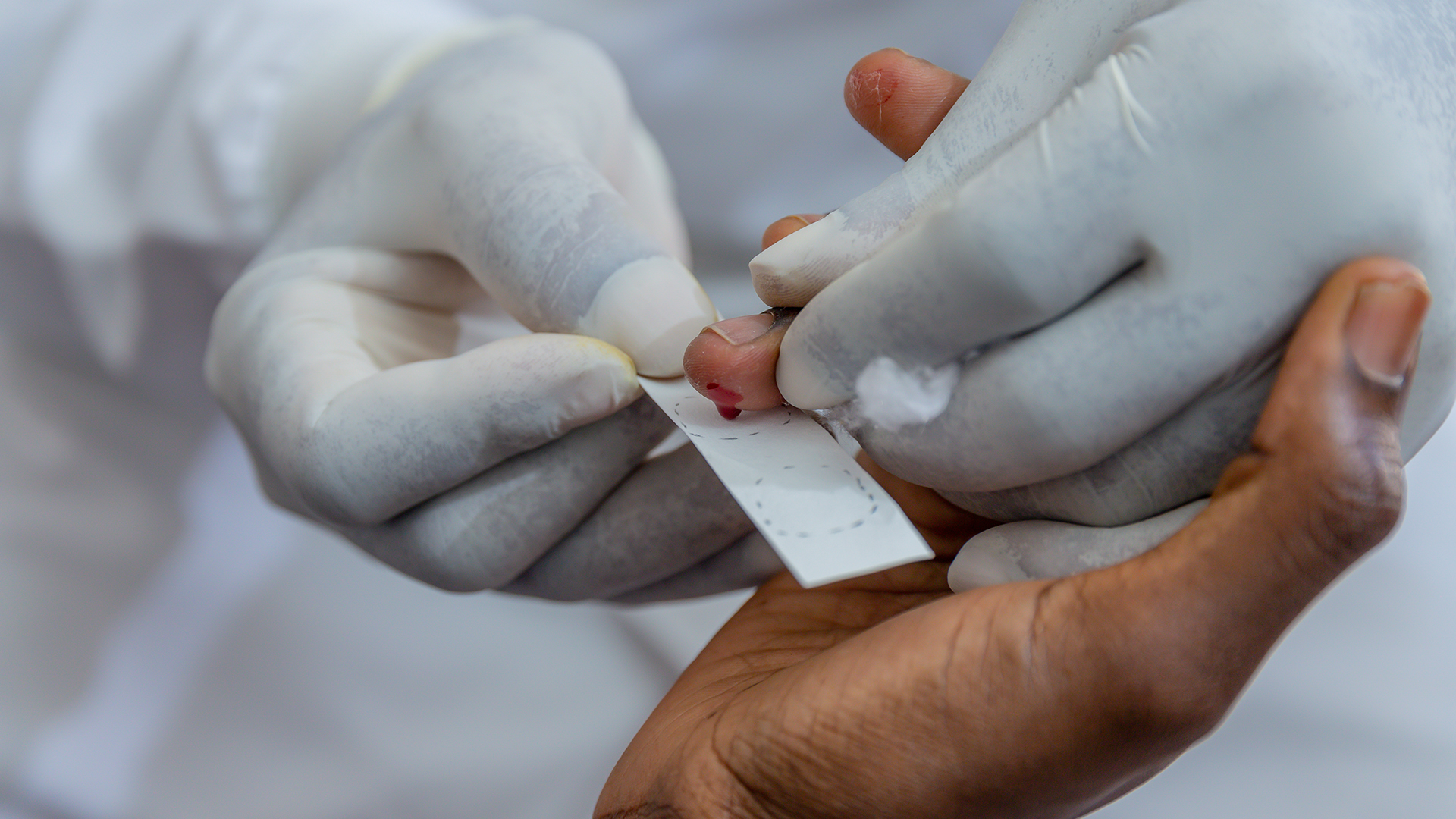
In Uganda, researchers from the ACCEPT-Africa and PREPARE consortia are supporting the national Scientific Advisory Group and helping strengthen regulatory readiness and emergency-use treatment protocols. Some priority drugs have been identified, and these are being fast-tracked for approval. Additionally, the team is drafting training materials for healthcare workers administering experimental treatments. Once approved, the bulk of the work will be around tracking patient outcomes. In addition, researchers at the Uganda Virus Research Institute (UVRI) are working with the Ministry of Health to strengthen near-point-of-care diagnostic systems using innovative Loop-Mediated Isothermal Amplification (LAMP)-based technologies to improve rapid detection capacity. LAMP is a rapid, highly sensitive molecular diagnostic technique that is portable and cost-effective used to detect specific DNA or RNA sequences in clinics or remote field work settings.

Despite these noble efforts, teams from both countries continue to face major challenges. These include shortages of rapid diagnostic tests, laboratory consumables, infection prevention supplies, and decentralized testing systems, alongside urgent needs for stronger disease modelling, community engagement interventions, clinical trial infrastructure, and biobanking systems to support both immediate response efforts and long-term preparedness.

With a combined ecosystem comprising of more than 40 lead researchers, the Collaborative network has consulted with the EPSILON PI’s in both countries and have proposed a range of coordinated scientific and operational interventions to support the Ebola outbreak response across affected countries. These include support for epidemiological and economic modelling through the CLEAR-Africa consortium to help optimise resource allocation and response planning in the DRC and Uganda, alongside adaptation of community education and prevention materials developed by the University of Ibadan to support locally relevant public health communication. The PREPARE consortium is also contributing diagnostic innovation through development and validation of surveillance and diagnostic platforms for zoonotic and epidemic-prone diseases, while the SPIL-OVA consortium is exploring the use of archived outbreak samples to support rapid diagnostic development and monoclonal antibody research targeting the Bundibugyo strain. Together, these efforts reflect the Collaborative’s interdisciplinary approach to strengthening diagnostics, surveillance, modelling, community engagement, and long-term epidemic preparedness across Africa.

Meanwhile, additional preparedness efforts are ongoing across our partner institutions in Liberia, Burkina Faso, Ghana, Mali, Kenya, and other countries through surveillance strengthening, laboratory readiness, traveller screening systems, risk communication and community engagement (RCCE), and cross-border preparedness activities.


URGENT PRIORITIES FOR RESPONSE AND PREPAREDNESS

The Collaborative has set aside some financial support, outside of the primary grants awarded to the research consortia, towards rapid response and preparedness efforts. The allocation of these resources will target four priority areas identified through consideration of the current outbreak dynamics, partner consultations, broader Ebola response experience, and lessons from previous epidemics.

1. Addressing diagnostic and laboratory gaps

Rapid diagnosis remains essential to early intervention, interrupting transmission chains and strengthening outbreak containment. However, both the DRC and Uganda continue to face shortages of rapid diagnostic tests, laboratory consumables, infection prevention supplies, and decentralized testing systems. There is a need to expand diagnostics to the affected communities using near-point-of-care diagnostic solutions that are sensitive to the Bundibugyo strain, to enable early medical care for cases and contact tracing. Additionally, despite the lack of reported cases in at-risk neighbouring countries, the deployment of diagnostic equipment across the region will enable the active tracking of suspected cases, leading to the containment of the virus.

2. Strengthening disease modelling and epidemic intelligence

Real-time modelling, analytics, and epidemic intelligence remain critical for guiding outbreak response operations, forecasting transmission dynamics, optimising resource allocation, and informing public health decision-making.

Collaborative partners have identified an urgent need to strengthen disease modelling and epidemic intelligence systems to support more effective outbreak response and preparedness efforts. Priority areas include enhanced epidemiological and economic modelling, integrated outbreak analytics, real-time data sharing, cross-border surveillance coordination, and decision-support tools to help Ministries of Health and response agencies make faster, evidence-based decisions during the outbreak.

3. Expanding One Health surveillance and animal sampling

The recurrence of Ebola outbreaks in similar geographic regions has reinforced the importance of strengthening One Health approaches that integrate human, animal, and environmental health systems. Researchers in the DRC have highlighted the urgent need to expand animal sampling and zoonotic surveillance, investigate potential spillover events, strengthen genomic sequencing and ecological monitoring systems, and improve understanding of environmental drivers of transmission, recognizing that stronger One Health surveillance will be essential not only for controlling the current outbreak, but also for preventing and anticipating future epidemic threats emerging at the human-animal-environment interface.

BUILDING AFRICA’S FUTURE PANDEMIC RESILIENCE

The current Ebola outbreak is a reminder that preparedness cannot begin when outbreaks start. Sustainable epidemic resilience requires long-term investment in African scientific leadership, research institutions, public health systems, skilled workforces, trusted community engagement systems, and regional collaboration.

Through its network of EPSILONs, the Africa Pandemic Sciences Collaborative is supporting interdisciplinary research, workforce development, diagnostics innovation, therapeutics research, modelling systems, behavioural science, and One Health preparedness approaches across the continent.

Importantly, Africa’s future preparedness will depend not only on infrastructure and technology, but also on people. Developing and retaining the next generation of African scientists, clinicians, laboratory experts, epidemiologists, public health leaders, and data scientists will be critical to ensuring long-term resilience.

Disease outbreaks do not respect borders – and preparedness cannot stop at them. Sustained investment in African-led science and collaborative preparedness systems is therefore essential for the continent’s future and the global health security.

Preparedness is built between outbreaks – not during them.


CALL FOR PARTNERSHIP AND SUPPORT

We are ready to work together with governments, funders, research institutions, development partners, industry, and regional organizations to support:

  • Equitable access to diagnostics, treatments, and outbreak countermeasures
  • African-led research and preparedness systems
  • Disease surveillance, modelling, and laboratory strengthening
  • One Health and zoonotic surveillance systems
  • Long-term workforce development and scientific leadership

The current outbreak is not only a response challenge. It is an opportunity to strengthen the systems, partnerships, and scientific ecosystems needed to protect Africa, and the world, from future epidemic and pandemic threats.

For enquiries regarding partnership opportunities, or more information on our work relating to the current Ebola outbreak, please email: [email protected]

SHARPER Project Features in Capacity Building Training for Early-Career Researchers at the University of Ibadan, Nigeria

The Strengthening Health Systems Capacity in Africa for Pandemic Equity and Responsiveness (SHARPER) Project featured in a capacity strengthening programme at the University of Ibadan (UI) for approximately 400 newly recruited lecturers. Organized by the Research Management Office (RMO) of the university, the programme was designed to support the professional development and integration of the Early-Career Researchers (ECR) into the university system. It is also a part of efforts to strengthen the institution’s human resource capacity and reinforce its commitment to fulfilling its vision to be a world class institution for academic excellence geared towards meeting societal needs.

To foster effective facilitator-participant interaction, the workshop was delivered to participants in two batches. While the first batch of participants were trained from 4th to 6th May, the second was held between 1st and 3rd June 2026. During these programmes, several key aspects of academic life and institutional practice were covered. The sessions focused on the social responsibilities of academics, the opportunities and challenges associated with scholarship, promotion guidelines, work-life balance, mentorship and career advancement strategies.

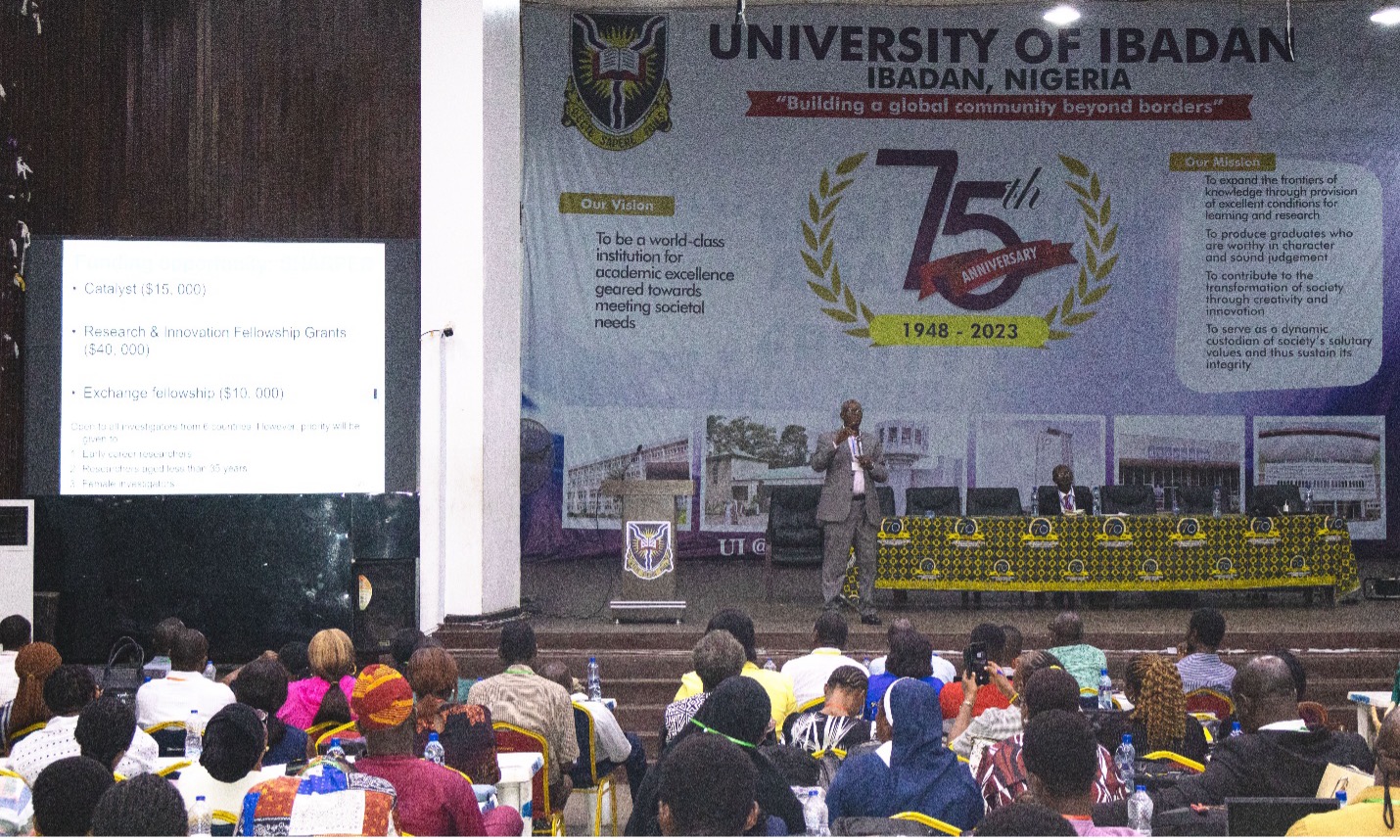
At the training, Prof. Ademola Ajuwon, the  Principal Investigator of the SHARPER Project, delivered an insightful lecture on grant writing and research strategies. He provided participants with practical tips on how to search and win grants, developing competitive proposals, and maintaining ethical and professional standards in research.

Speaking on the importance of research grants in academic career development, Prof. Ajuwon introduced participants to the SHARPER Project and the opportunities it offers for ECR.  He explained that the project is a six-year socio-behavioural science research initiative focused on strengthening health systems capacity, pandemic preparedness and responsiveness, research benefit-sharing, and the promotion of African values in research ethics.

He highlighted that the SHARPER Project would provide three categories of research support annually across its six partner institutions, namely the College of Medicine, University of Ibadan, Nigeria; University of Cape Town, South Africa; Tropical Institute of Community Health, Kenya; Afya na Haki, Uganda; Kamuzu University of Health Sciences, Malawi; and the Cameroon Bioethics Initiative, Cameroon. The University of Ibadan serves as the lead institution for the project.

According to Prof. Ajuwon, the project’s Research Innovation Grants will offer up to $40,000, while the Catalyst Awards will provide up to $15,000 in funding. In addition, the Exchange Fellowships valued at up to $10,000 will be available to support collaborative learning and research exposure across partner institutions. He encouraged the participants to monitor the project’s social media platforms, particularly Facebook and LinkedIn, for upcoming Calls for Applications (CFAs). He also emphasised the project’s commitment to promoting inclusivity and equity in research participation, noting that women and applicants under 35 would receive priority consideration during the selection process.

While specific thematic priorities will be detailed in future calls, Prof. Ajuwon explained that the project’s major research areas include pandemic preparedness and responsiveness, research benefit-sharing, and African-centred approaches to research ethics and governance.

The announcement was enthusiastically received by participants, many of whom described the initiative as a important opportunity to strengthen the capacity of ECR expand access to funding opportunities, and improve female representation in research and global health discourse.

SHARPER is supported by the Africa Pandemic Sciences Collaborative. The Collaborative seeks to mentor, nurture, and equip an emerging generation of young African scientists and researchers to address current and future health challenges, contribute to strengthening the continent’s health ecosystem and pandemic preparedness and response capabilities, and to create pathways to dignified and fulfilling careers in pandemic sciences. The Collaborative is a multi-year partnership between the Science for Africa Foundation (SFA Foundation), the Pandemic Sciences Institute (PSI) at the University of Oxford, and the Mastercard Foundation.

As the training session drew to a close, participants engaged actively in discussions, asking questions, seeking clarification, and sharing reflections on the opportunities presented through the SHARPER Project. The interactive session provided Prof. Ademola Ajuwon with an opportunity to further engage the early-career academics on research development, grant competitiveness, and the broader vision of strengthening African-led research systems.

Going forward, the SHARPER Project remains committed to sustained stakeholder engagement through various communication and knowledge-sharing platforms. These efforts are aimed at ensuring wider visibility for the project, deepening awareness of its objectives, and advancing conversations around research benefit-sharing, pandemic preparedness and responsiveness, and ethical, African-centred approaches to research and global health governance.

Written by Adams Adeshola

Four EPSILON Consortia Launch at UCT to Strengthen Pandemic Preparedness in Africa

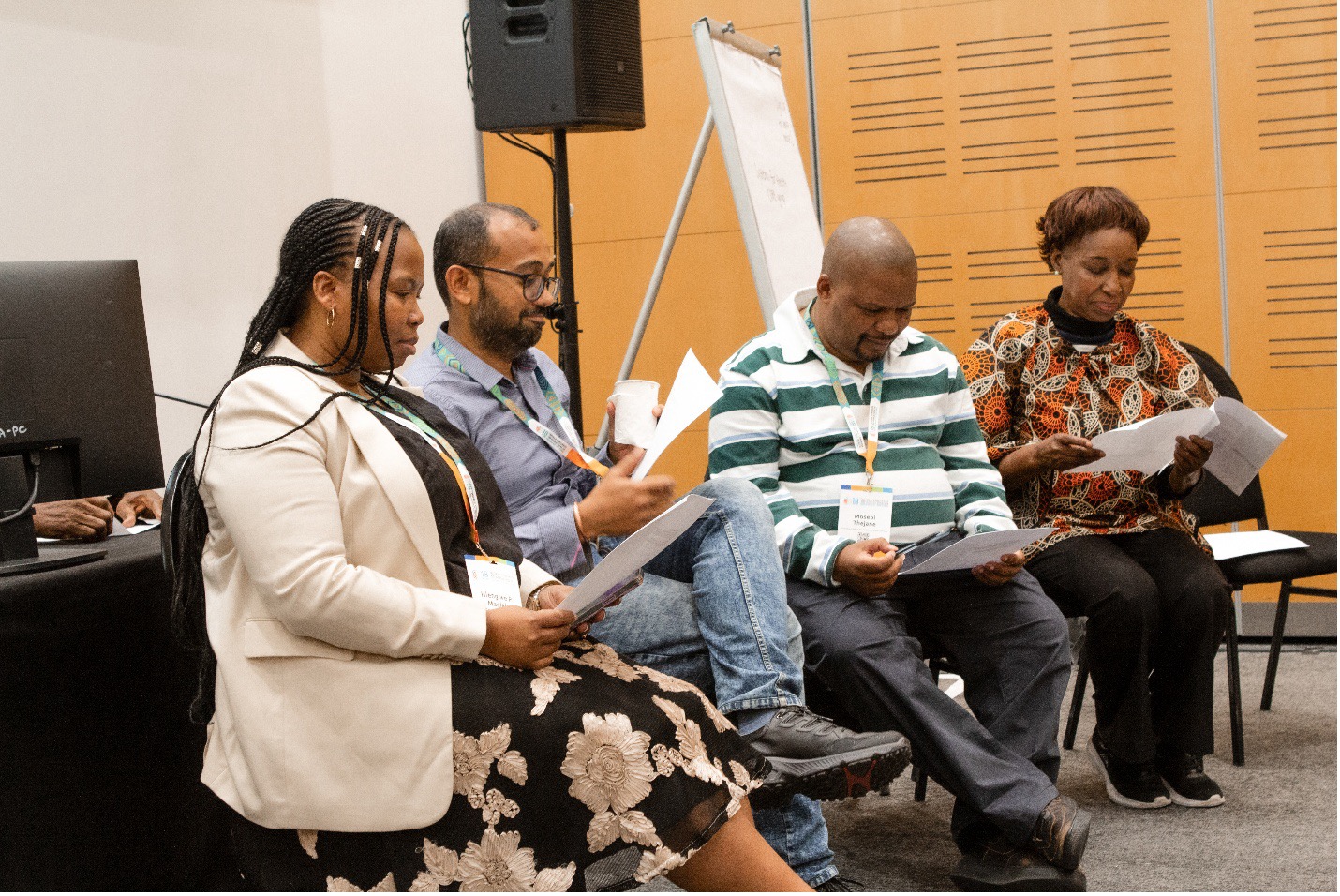
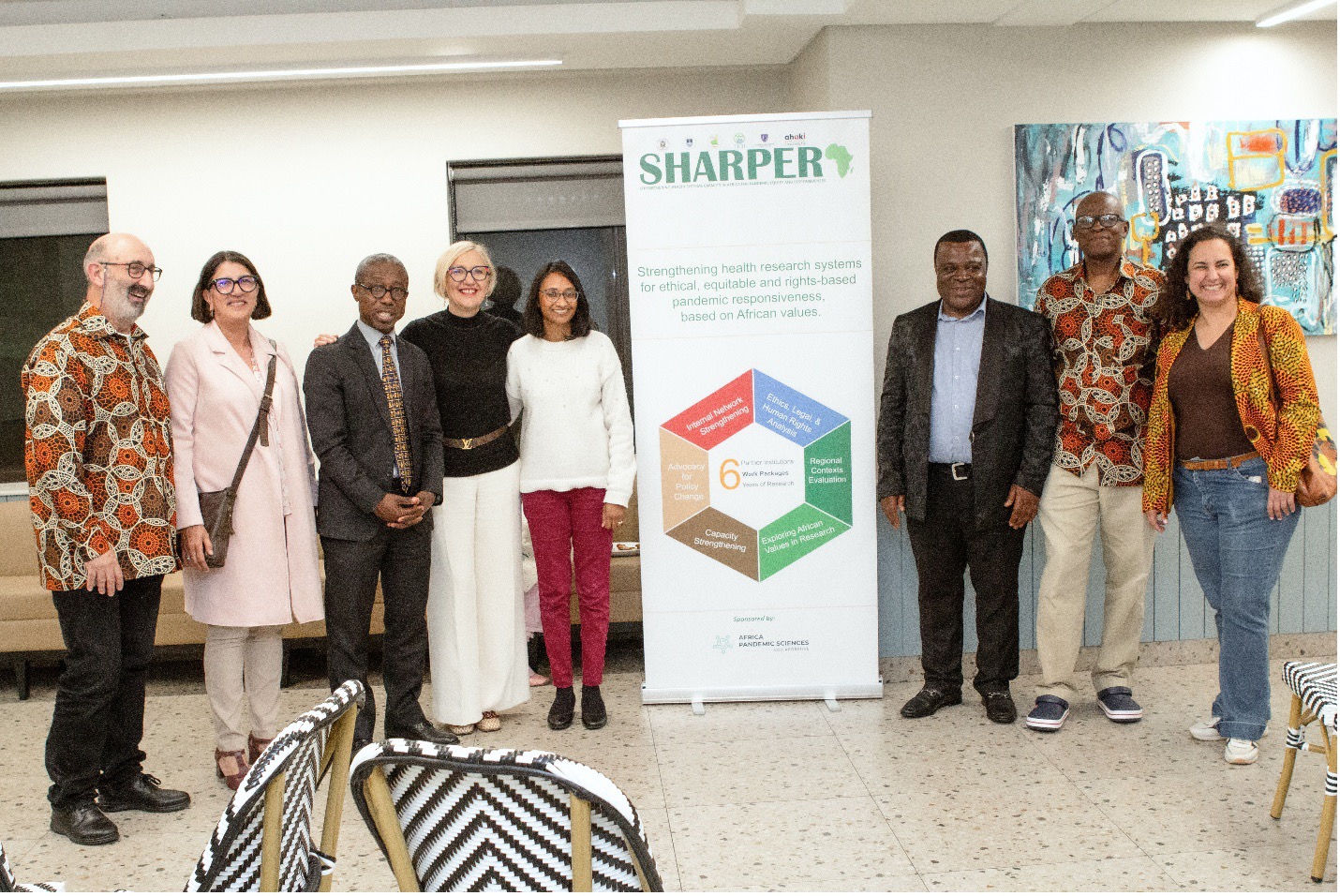
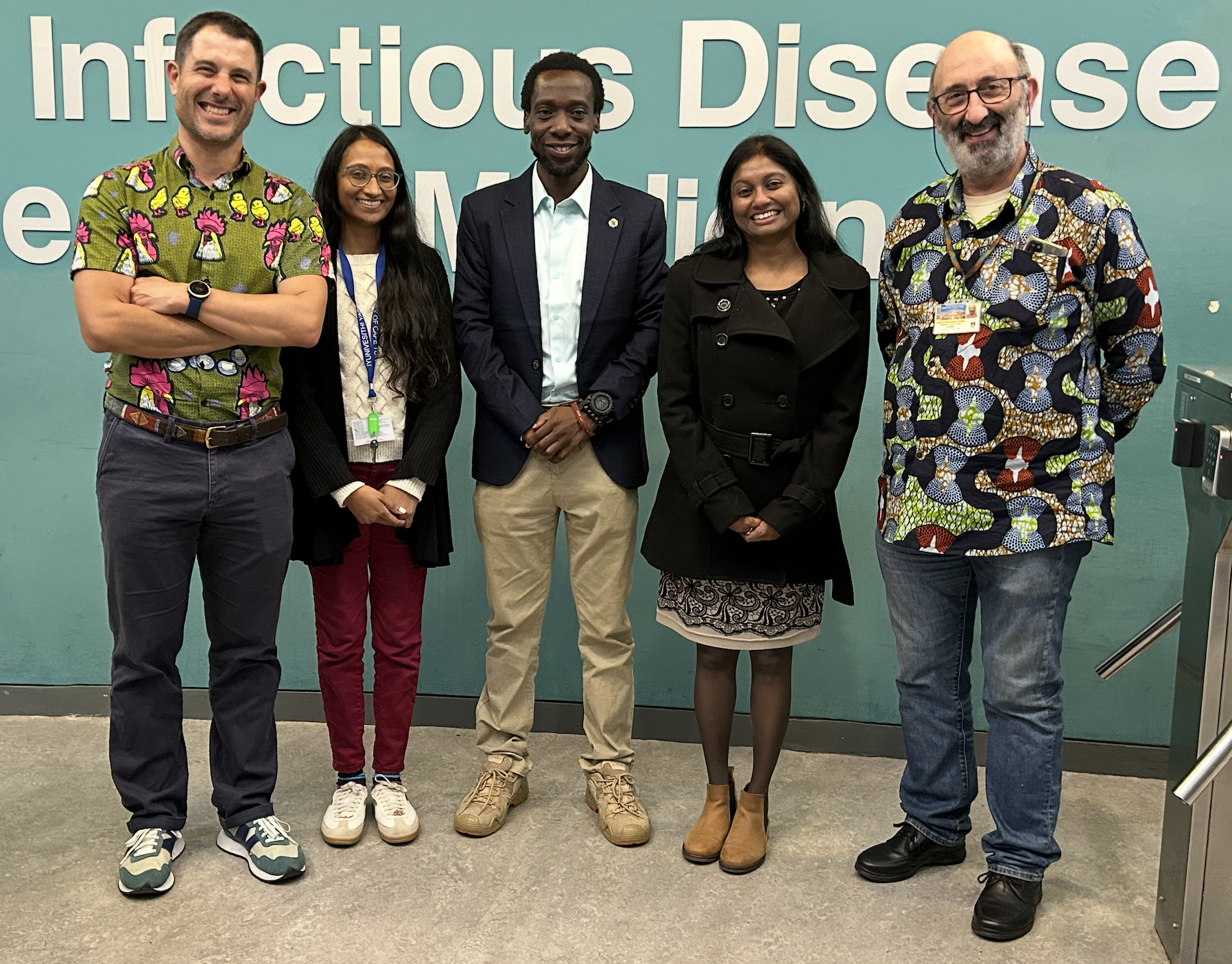
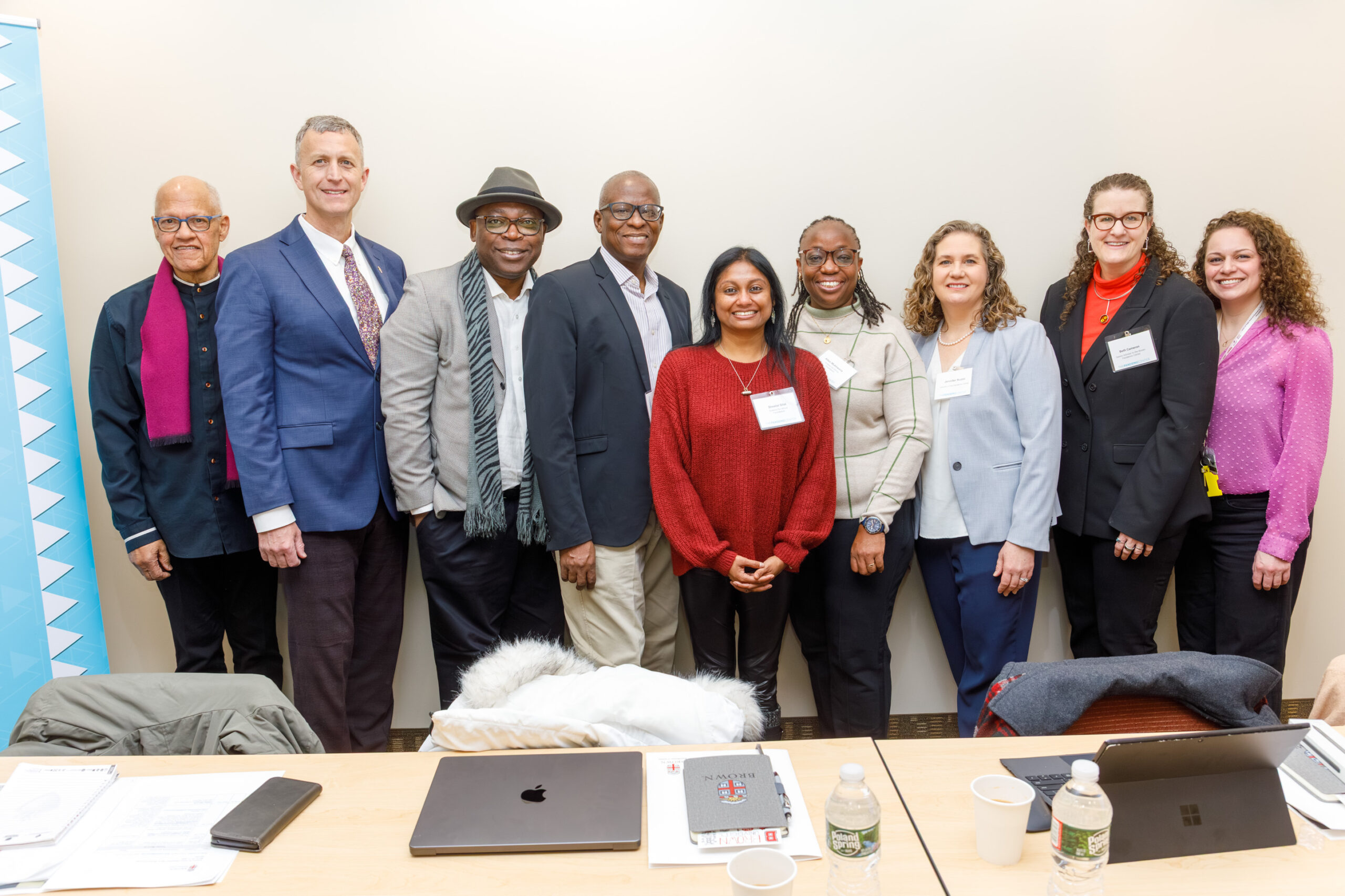
On Thursday, 21 May, the Institute of Infectious Disease and Molecular Medicine (IDM) at the University of Cape Town (UCT), South Africa, hosted the soft launch of four consortia funded by the Africa Pandemic Sciences Collaborative through a partnership between the Science for Africa Foundation, the University of Oxford’s Pandemic Sciences Institute, and Mastercard Foundation. Beyond supporting research, this collaboration also invests in strengthening the pandemic sciences ecosystem across the continent.

In total, seven Epidemic and Pandemic Sciences Innovation and Leadership Networks (EPSILONs) have been funded, each led by African scientists and designed to create a network of excellence in epidemic and pandemic sciences. The launch focused on the four consortia in which UCT is either the lead or a partner institution, spanning 11 African countries: Cameroon, Democratic Republic of the Congo (DRC), Ghana, Kenya, Malawi, Nigeria, Senegal, Tanzania, Uganda, Zimbabwe, and South Africa.

Opening remarks were delivered by Professor Wendy Burgers, Deputy Director of IDM, who reflected on the current lack of outbreak preparedness and the unequal global research landscape. Referring to discussions at the World Health Assembly and ongoing outbreaks such as Ebola in the DRC, she highlighted the need for African-led pandemic science and stronger collaboration across the continent.

Christina Pather from the Research Support Enterprise described the launch as “a step towards a stronger, more equitable and more resilient African research ecosystem”, while celebrating UCT’s participation in four of the seven funded projects and the interdisciplinary collaboration this represents.

The first consortium presented was the Consortium for Leadership of Epidemiological-economic Analysis for epidemic Response in Africa (CLEAR-Africa), led by Professor Sheetal Silal. CLEAR-Africa aims to strengthen preparedness for future pandemics by developing models that consider not only disease transmission and health outcomes, but also the social and economic consequences of public health responses. The consortium seeks to address the current modelling skills gap by training African researchers to lead and adapt epidemiological-economic models locally, ensuring that future outbreak responses are informed by both health and economic realities.

Associate Professor Jinal Bhiman then presented Surveillance Platforms and ImmunoLOgy for zoonotic Viruses with pandemic potential in Africa (SPIL-OVA), a consortium working at the human-animal interface to better understand zoonotic threats. SPIL-OVA focuses on identifying viruses with spillover potential circulating in African bat populations, recognised reservoirs of several emerging infections. Through multiple research work packages, the consortium aims to build knowledge about animal viral diversity, strengthen surveillance systems and support diverse leadership and scientific expertise across the continent.

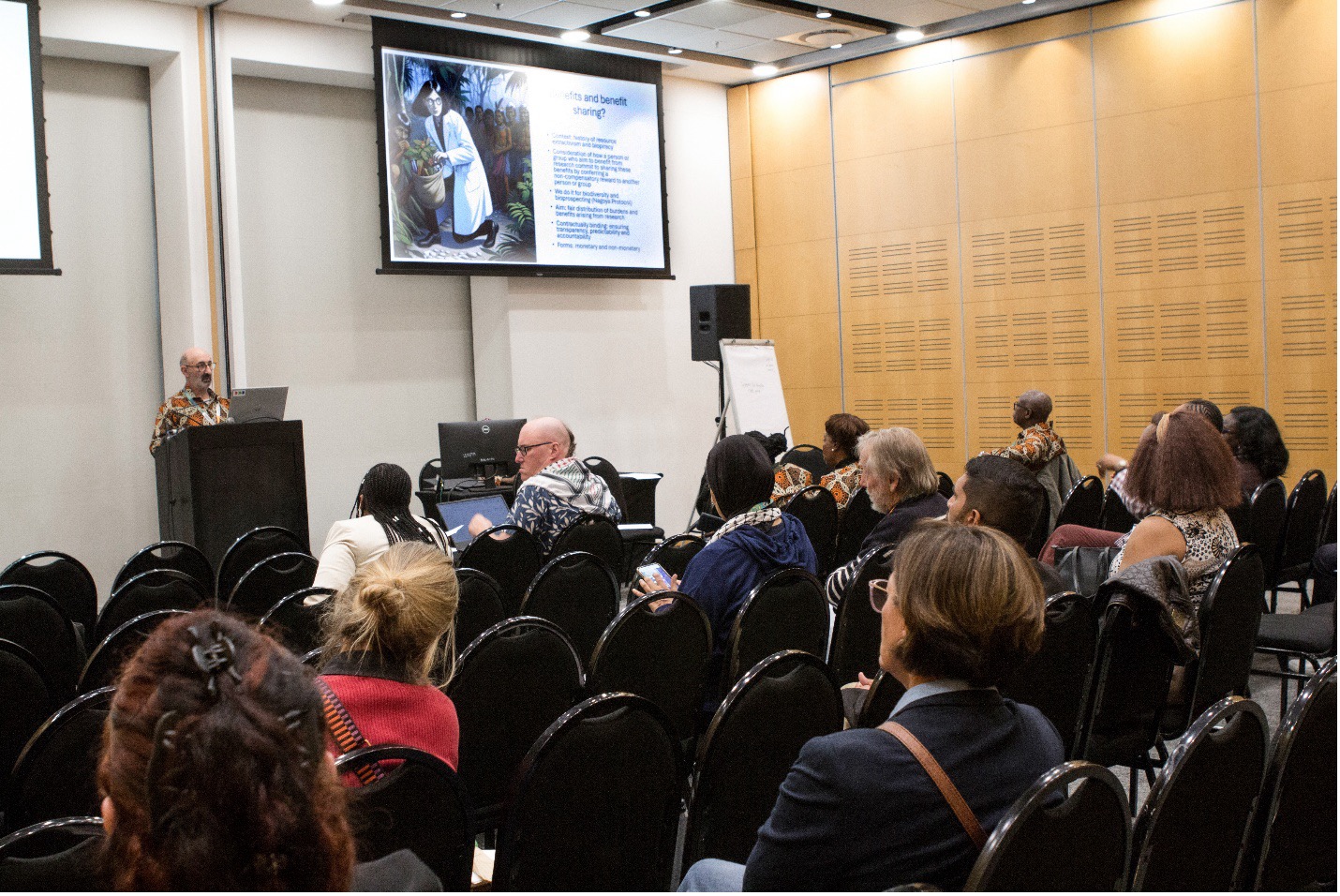
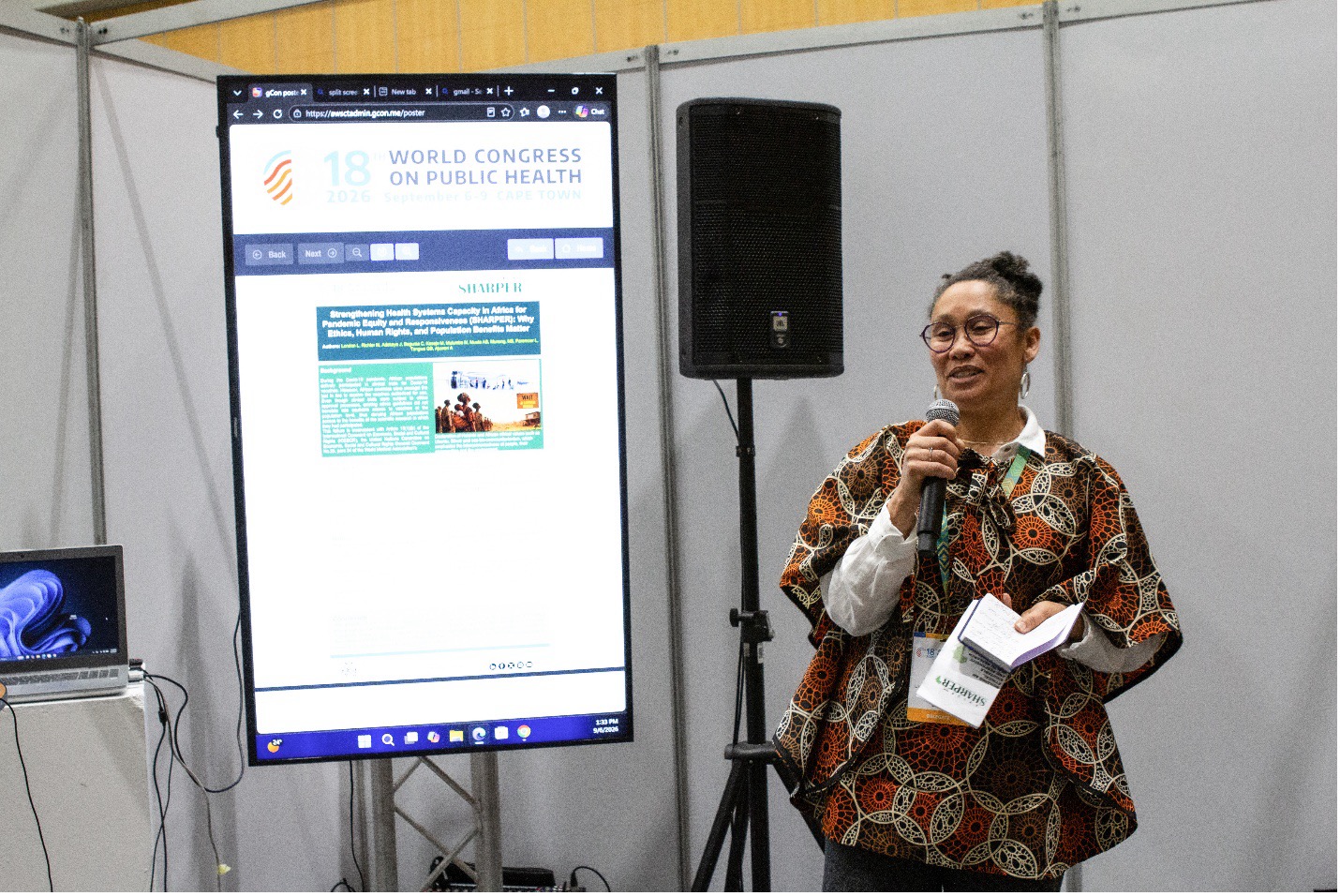
Strengthening Health systems capacity in Africa for Pandemic Equity and Responsiveness (SHARPER) was presented by Professor Leslie London, representing one of the consortium partners. SHARPER seeks to transform how research is conducted and used in Africa by analysing the current policy and research landscape and identifying opportunities for change. The consortium will develop new tools, courses and academic outputs while placing equity, African values and human rights at the centre of pandemic preparedness and response, so as to ensure health research benefits populations and not only participants.

The final consortium presented was Advancing Capacity for Early Phase Trials for Pandemics and Epidemics in Africa (ACCEPT-Africa), presented by Dr Daniel Kiiza and Professor Paolo Denti. ACCEPT-Africa aims to strengthen early-phase clinical trial infrastructure across the continent, enabling trials, protocol development, and pharmacokinetic analysis to be conducted locally. The consortium also focuses on training researchers and laboratory teams so that future clinical research can be led within Africa and better reflect the populations it seeks to serve.

In their closing remarks, Angie Kerubo Mugisha and Dr Linda Murungi from the Africa Pandemic Sciences Collaborative, highlighted the importance of collaboration and thanked the principal investigators for their commitment to strengthening preparedness for future epidemics and pandemics. They reminded the audience that scientific knowledge should not remain within institutions but should reach communities and create impact at individual, institutional and systemic levels.

The launch concluded with a networking reception, bringing together students, researchers, partners, and consortium members. Earlier in the event, Professor Burgers reminded the audience that “Africa doesn’t lack talent; there has been a structural gap that has prevented the continent from working together.” The EPSILON programme seeks to address this gap by strengthening collaboration, leadership and scientific excellence across Africa.

Written by Elizabet Marti Coma-Cros and appeared HERE originally.  

Building together, moving forward

In the first week of March 2026, program management representatives from the three Africa Pandemic Sciences Collaborative partners – the Science for Africa Foundation, the Pandemic Sciences Institute at the University of Oxford, and the Mastercard Foundation – convened in Nairobi for a strategic alignment workshop.

Over the past two years, the Collaborative has made significant progress toward its vision of strengthening Africa’s pandemic preparedness capacity. Seven EPSILON research consortia are now active across the continent, bringing together over 30 African universities and research institutions to advance novel research in pandemic and epidemic preparedness. As our partnership has grown and evolved, we came together to reflect on what is working, sharpen how we collaborate, and build a stronger foundation for the next phase of delivery. To this end, the Mastercard Foundation engaged CoCreative – an organisation experienced in supporting large-scale multi-partner collaboratives – to help design and facilitate this process.

It was a fun-filled week of deep collaboration, shared vision and renewed energy around one of the most important missions on the continent – strengthening Africa’s pandemic resilience and building an African-led science and innovation ecosystem. When you are co-creating a continent-wide research ecosystem across diverse countries, cultures and contexts, moments of intentional alignment are essential.

Together, we reflected on the significant progress we have made. At the heart of this work is the emerging generation of African scientists, innovators and health leaders who will shape the continent’s scientific future. Our role is to create the conditions for them to thrive, lead and deliver solutions – multiplying opportunities across biotechnology, epidemiology, data science and beyond.

Weeks like this remind us why co-creation and collaboration matter. We are building something important together, and this week strengthened the foundation that will carry us forward. We leave with sharper clarity on how to work together, and deeper commitment to the scientists and institutions whose work will define Africa’s pandemic preparedness for generations to come.

MEAL leads convene to strengthen alignment across the Collaborative

24-27 November 2025 | Lagos, Nigeria

The Africa Pandemic Sciences Collaborative exists to strengthen Africa’s capacity for pandemic preparedness through evidence-driven decision-making, strong institutions, and learning systems that respond to context. This was a central message highlighted over four days of a workshop that recently took place in Lagos, Nigeria.

Monitoring, Evaluation, Accountability and Learning (MEAL) leads from all seven EPSILON consortia met in Lagos for a four-day onboarding workshop aimed at strengthening alignment, sharpening shared understanding, and establishing a unified approach to monitoring, evaluation, accountability and learning across the Collaborative.

Co-hosted by SHARPER and SPIL-OVA consortia based at the University of Ibadan and Redeemer’s University respectively, the workshop brought together programme managers, workstream leads, and partners from Mastercard Foundation, SFA Foundation, the Pandemic Sciences Institute and a representative from the Africa Oxford Initiative.


The importance of MEAL to the Collaborative

The University of Ibadan’s College of Medicine Provost, Professor Temidayo O. Ogundiran officially welcomed participants to Lagos and delivered the keynote address at the workshop. In his speech, he highlighted the significance of the MEAL function to the success of the Collaborative’s work.

“I am informed that this onboarding workshop has been carefully put together to strengthen all seven EPSILONs and to equip you with the necessary tools and frameworks to track progress, document results, and define learning, plus engage other stakeholders meaningfully. A robust MEAL system is needed to ensure that interventions are timely, decisions are evidenced correctly, progress is measured, and our impact is sustained – it should be rooted in transparency, excellence and shared commitment to deliver on the goals of the Collaborative”, Prof. Ogundiran remarked.

Carol Nuga, Director of Impact at the Mastercard Foundation, highlighted the evolution of the Foundation’s work – from individual scholarships to institutional strengthening, workforce development, and network-building to increase social capital to achieve our shared goals. She emphasised that MEAL is central to realising impact, influencing ecosystems, and ensuring young people benefit from dignified and fulfilling career pathways.

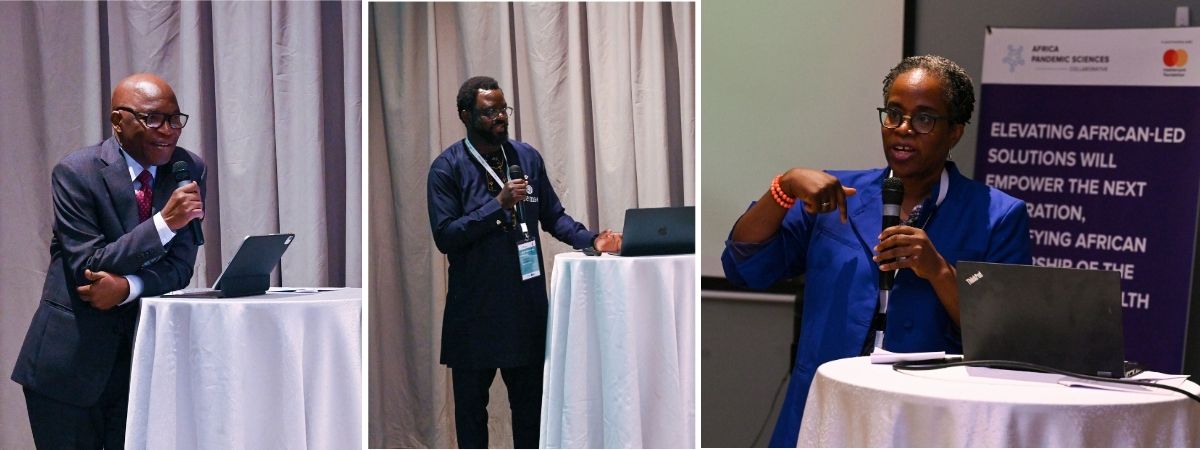
Prof. T.O. Ogundiran (University of Ibadan), Dr Chinedu Ugwu (Redeemer's University) and Carol Nuga (Mastercard Foundation) delivering their addresses during the workshop's opening ceremony.
Prof. T.O. Ogundiran (University of Ibadan), Dr Chinedu Ugwu (Redeemer’s University) and Carol Nuga (Mastercard Foundation) delivering their addresses during the workshop’s opening ceremony.

Building shared understanding and operationalisation of the MEAL Function

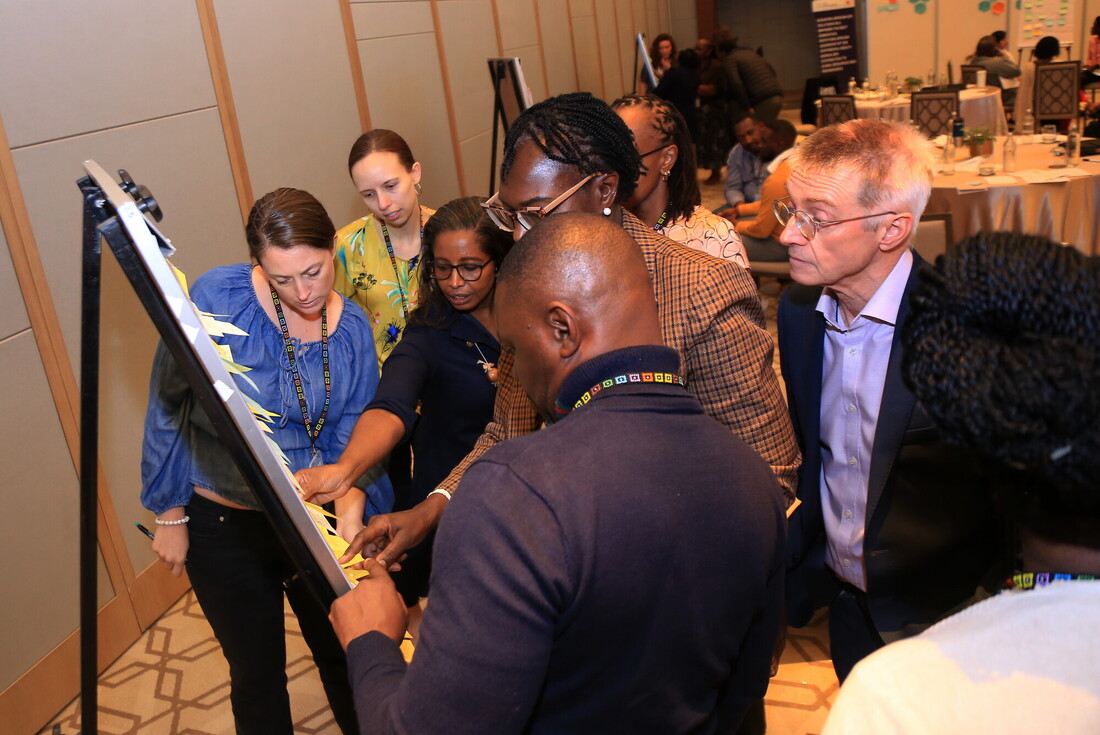
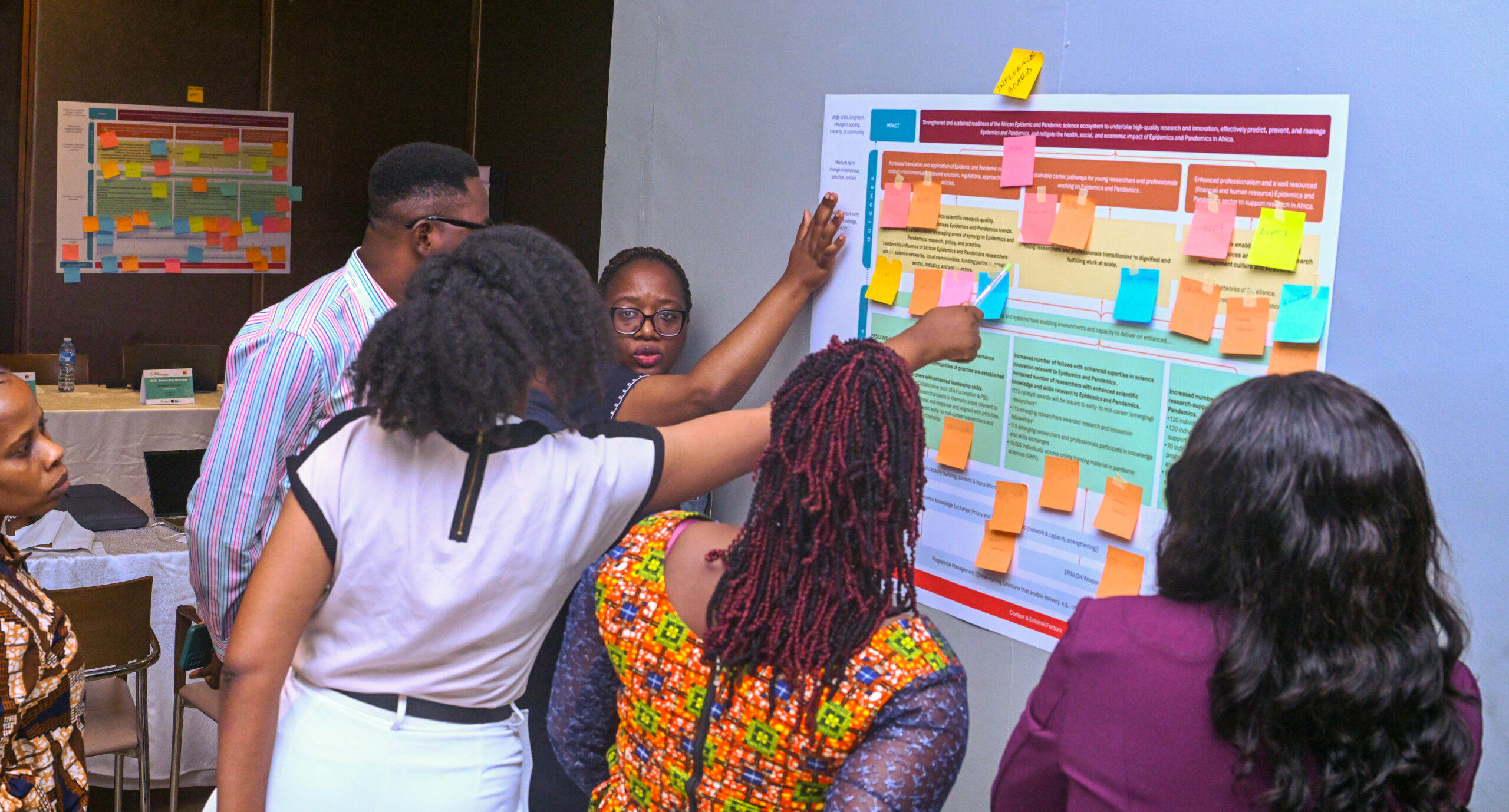
Over the four-day workshop, participants explored the structure of the Collaborative, the role of MEAL as a cross-cutting function, and the distinction between programme-level implementation by the EPSILONs and the overarching strategy led through wrap-around activities. Sessions reflecting on the Collaborative’s Theory of Change prompted deep discussion on accountability, influence, contextual differences and how MEAL can capture progress in real time.

The workshop also surfaced operational realities – from language diversity and bureaucratic constraints to the need for clear data responsibilities and integrated reporting systems. Demonstrations of the Collaborative’s MEAL tool helped teams understand how indicators, dashboards and learning inputs will be managed across institutions.

A panel on research-to-policy influence underscored the importance of trust, evidence synthesis, and science communication – key capabilities the Collaborative aims to strengthen across EPSILON teams. Additional sessions focused on impact storytelling, responsible communication, and the role of MEAL in shaping narratives of change.

Days three and four focused on translating principles into practice. Teams reviewed indicators at EPSILON and Collaborative levels, explored data flow and responsibilities, and discussed the MEAL tool that will support real-time reporting and learning.

By the final day, participants revisited the Collaborative’s Theory of Change with new clarity, refining their contributions and areas of influence. The workshop closed with a shared commitment to co-creation, continuous learning, and to building MEAL systems that reflect African contexts and strengthen pandemic readiness.

“This meeting has been engaging and packed with a lot of information. But most importantly, it has been useful in clarifying a lot of things, especially at the beginning of our work in the consortia, before activities kick-off and we need to change tack mid-way. I am grateful for this opportunity and go away with a better understanding of what lies ahead of us,” said Purity Wambui, a MEAL lead from the CLEAR-Africa consortium.

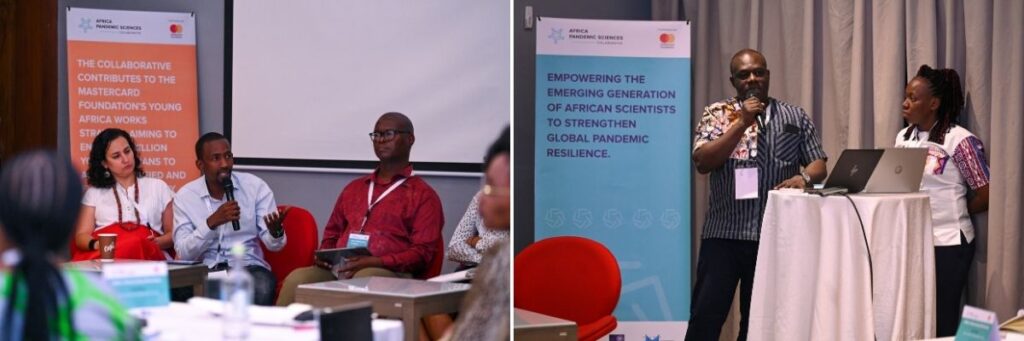
(Left) Montage Diallo responds to a question during the research-to-policy panel session. (Right) Wandaogo Haiga and Charles Guissou presenting the MOSEPIC's Theory of Change
(Left) Montage Diallo responds to a question during the research-to-policy panel session. (Right) Wandaogo Haiga and Charles Guissou presenting the MOSEPIC’s Theory of Change

Looking Ahead

Across four days, one message rang consistently: this Collaborative is an opportunity to build something transformative – not only for institutions, but for African health systems, scientific ecosystems, and future generations of researchers and policymakers.

The MEAL onboarding workshop did more than align frameworks. It built trust. It clarified roles. It surfaced the complexity and promise of working across contexts, disciplines and expectations. And it reminded participants that the strength of the Collaborative lies in the people driving it.

“Having missed the inception meeting in Nairobi, I am grateful for the opportunity to be a part of this workshop. Before this, I was very confused about the whole Collaborative and how it works. I also had a limited scope to the objectives and goals of the programme. But now, I have a big picture view of what we are trying to do, and how everything fits in together,” said Dr Chinedu Ugwu, a co-lead from the SPIL-OVA consortium.

Together, the Collaborative is laying the groundwork for rigorous science, stronger systems, and evidence that genuinely shapes Africa’s readiness for future epidemics and pandemics.

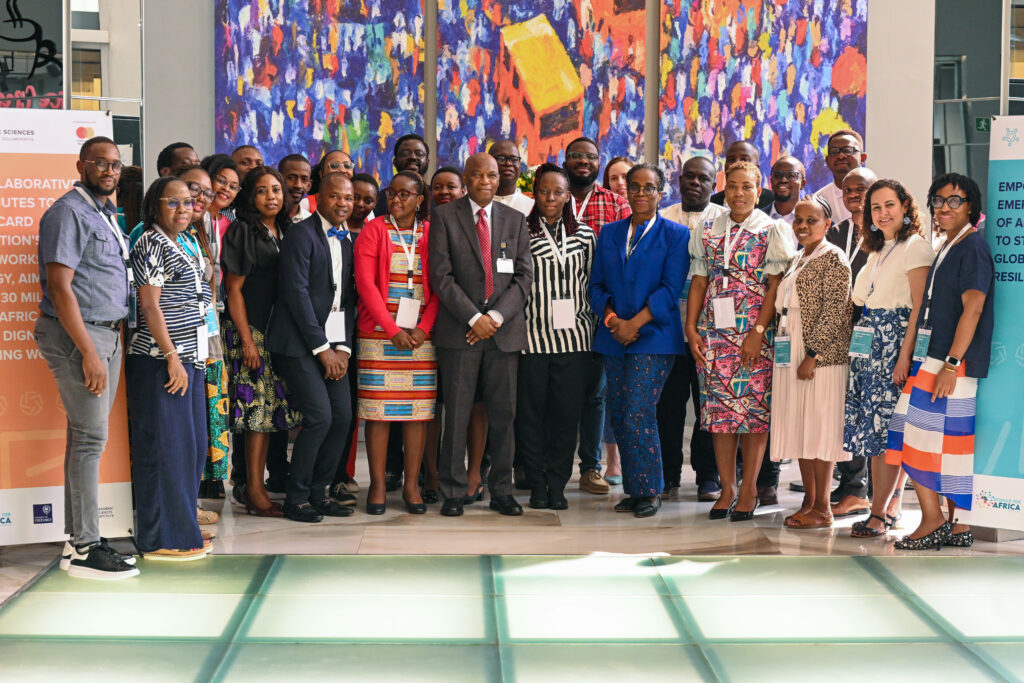
Participants from the MEAL onboarding workshop pose for a group photo with the Provost (College of Medicine, University of Ibadan) Prof T.O. Ogundiran and Carol Nuga, the Director of Impact, Mastercard Foundation

Informing an equitable pandemic response with social science evidence – strategies and recommendations for researchers, policy actors and funders 

Africa’s pandemic response efforts will remain incomplete without fully integrating social science into policy and planning. This was the central message from a recent webinar co-hosted by the Africa Pandemic Sciences Collaborative and the Kenya National Public Health Institute. 

Titled Integrating Social Science Evidence for Pandemics Policy Making, the webinar delved into continent-wide experiences of dealing with pandemics to understand how social science contributes to pandemic preparedness and response in practice.  

 Two social scientists, Teklu Cherkose (Armauer Hansen Research Institute) and Professor Kellen Kiambati (Karatina University), presented an arguement from their research and practise on why this shift is overdue – and how it can be achieved. 

 Mr Cherkose focused on COVID-19 response in Kenya and Ethiopia, highlighting the social sciences evidence behind specific policy interventions – including rapid household surveys that revealed income and food insecurity. Supported by theoretical framing, he outlined the relevance of social science evidence to pandemic policy: from understanding public behaviour and building trust to addressing inequalities worsened by pandemics and improving feedback loops. 

Mr Cherkose also identified existing gaps in the use of social sciences evidence, including the deployment of “ad hoc” and reactive measures. His recommendations to policy actors, researchers and funding partners also included advocacy for the institutionalisation of social science capacity.    

“National emergency management institutions should establish permanent, interdisciplinary units that brings social, behavioural and biomedical expertise together, not just during a crisis, but as critical parts of health systems planning. These units will ensure that social science and epidemiological evidence is combined in managing outbreaks from the start,” said Mr Cherkose.  

 Professor Kiambati reinforced these messages by drawing on practical experiences from her research working with communities. Like Mr Cherkose, she, too, highlighted institutionalisation as a strategy. Consolidating the use of trusted local structures for communications and engagement activities, she argued, will result in increased institutional capacity for social science evidence sharing and uptake. 

 While sharing strategies to address ‘murky’ policy making processes, Professor Kiambati emphasised the central role of co-creation between researchers and policy makers. She also positioned knowledge valorisation as a policy objective, creating practical value for the entire society. 

 The principles of co-creation, capacity strengthening and knowledge continuity highlighted by Mr Cherkose and Professor Kiambati reflect principles that underpin the Collaborative’s model. The Collaborative is designed to connect institutions, strengthen scientific ecosystems and ensure evidence flows seamlessly across borders and disciplines. This is how Africa builds long-term resilience. 

 The open invitation and attendance from institutions across Africa aligned with the Collaborative’s vision of promoting partnerships and collaborative exchanges across the continent. During and after the event, the speakers received multiple requests to connect and move conversations forward, demonstrating the potential of their work in contributing to a more robust research ecosystem across the continent. 

 Their shared recommendation, embedding social science expertise in health systems before crises hit, underscored a growing recognition across the continent that pandemic preparedness must be as much about people as pathogens. 


Watch the full webinar recording on YouTube via the link below:


About our Speakers 

Teklu Cherkose is a social science researcher and PhD fellow at the Armauer Hansen Research Institute in Ethiopia under DELTAS Africa II ALC consortium.  His work investigates how health interventions can be effectively integrated into communities.  Using a mixed methods approach, he examines the interplay of actors, interventions, and context by integrating patient, community, and stakeholder perspectives, ultimately aiming to shape effective and sustainable health policies. Mr Cherkose is also a grantee of the Africa Pandemic Sciences Collaborative’s Individual Policy Exchange Program (iPEP).  

Professor Kellen Kiambati is a social scientist from Kenya, specialising in pandemic response and community engagement. Her work turns research findings into practical action. Prof Kellen is an Associate Professor at Karatina University and an SFA Foundation grantee under the Possible Africa initiative. 


MosEPIC consortium launches innovative surveillance programme to track emerging pathogens across Africa

Accra, Ghana | 27-29 October 2025

The MosEPIC consortium has officially launched its programme to strengthen epidemic surveillance across Africa by monitoring how pathogens move between humans, animals, and the environment. The initiative introduces a novel approach that uses mosquitoes as natural samplers to detect exposure to a wide range of pathogens across the “urban–rural–forest continuum,” where human activity is rapidly reshaping ecosystems.

The project focuses on three interconnected dimensions—mosquito species, vertebrate hosts, and pathogens—to better understand how environmental change influences connectivity and zoonotic disease risk. Using advanced serological and metagenomic tools, the team will analyse mosquito bloodmeals to detect past exposure to around 20 pathogens with epidemic potential, including Ebola, Lassa, chikungunya, and dengue. Additional fieldwork will examine hotspots such as wildlife reserves, bat caves, and live-animal markets, while high-altitude sampling of windborne mosquitoes will help track long-distance movement of vectors and pathogens.

Speaking at the inception meeting, the consortium lead Dr Abdoulaye Diabaté, highlighted the transformative potential of the approach: “By harnessing mosquitoes as bio-samplers for epidemic surveillance, we will be able to potentially detect up to 20 pathogens. Our research findings will tangibly enable us to strengthen early-warning mechanisms and help authorities take appropriate measures to counter epidemic threats.”

Dr Hamidou Maiga, a Project Officer, underscored the programme’s long-term value: “This project will bring a new generation of young and well-prepared scientists to tackle emerging and re-emerging pathogens in West Africa.”

On the importance of community engagement, Dr Léa Paré emphasised: “We must develop adapted communication tools and translate our key messages into local languages to establish a constructive dialogue. This process is crucial for strengthening community engagement and ensuring a complete understanding of MosEPIC objectives.”

Reflecting on the programme’s capacity-building goals, Dr Nouhoun Traoré, Postdoctoral Scientist, noted: “The MosEPIC project presents a considerable opportunity to mitigate mosquito-borne public health risks. Besides validating a surveillance system, it will build capacity across participating nations by training students and postdoctoral researchers in the early detection of potential vector-borne diseases.”

The consortium begins its work with a shared commitment to generate robust baseline data, improve early-warning systems, and support strategies that can help prevent and mitigate future epidemics across the continent.

The MOSEPIC consortium team pose for a group photo during their inception meeting in Accra, Ghana.


Listen to Dr Diabaté introducing the MOSPEIC consortium here:


CLEAR-Africa consortium sets direction at inception meeting in South Africa

The CLEAR-Africa consortium held its inception meeting from 14–18 October 2025 at Skukuza Safari Lodge in South Africa, bringing together principal investigators and research teams from all six partner institutions. The meeting marked the official launch of a programme aimed at strengthening national and regional resilience by developing epidemiological-economic modelling frameworks to inform evidence-based decision-making.

Over three days of technical and planning sessions, partners established a shared vision, aligned methodologies, and outlined work-plans for the next two years across all work packages.

Day 1 focused on orientation and technical grounding. Teams conducted stakeholder mapping exercises and reviewed approaches to epidemiological and microeconomic modelling, including data needs, contextual differences, and considerations around ethics and data governance.

Day 2 centred on integrating work packages. Participants examined how the modelling components will align and discussed strategies for policy implementation and translation. They also explored capacity-building mechanisms—such as knowledge-translation workshops and consortium awards—and drafted activity schedules for the coming two years.

Day 3 addressed governance, financial management, and communication. Finance officers reviewed reporting guidelines, while governance discussions covered the formation of an advisory board. Partners also clarified communication protocols and expectations, closing with a Q&A session with the SFA team.

The meeting concluded with partners aligned on next steps and equipped with a coordinated plan to advance CLEAR-Africa’s modelling and capacity-building goals across the continent.

CLEAR Africa consortium team pose for a group photo during their inception meeting in South Africa


Listen to Dr Silal introducing the CLEAR Africa consortium here:

From promise to policy: Empowering young African researchers to shape the continent’s pandemic preparedness

She sat and spoke before a packed room, her voice calm but resolute.

As one of the youngest panellists at the 2025 Annual Policy Forum held in Nairobi, Kenya, Merville Essetcheou sat alongside seasoned public health experts and leaders from institutions like the Africa CDC and Zambia’s National Public Health Institute to explore what it really means to be prepared for the next health emergency.

Discussions ranged from the critical role of domestic funding for research, to the importance of inclusive agenda-setting and the urgency of addressing capacity gaps. Panellists also called for a shift from a vaccine-centric preparedness model to a more comprehensive approach – one that embraces diagnostics, treatment, and innovation, including intellectual property reforms that support African-led solutions.

Reflecting on her experience as a young researcher, Merville gave voice to the struggles she has faced; the struggle to access quality data, the difficulty of being heard in policy spaces dominated by more experienced voices, and the constant balancing act of learning while leading. Yet, she also spoke of hope – the kind built on networks of support, mentorship and the unwavering belief that African researchers should be shaping African policy.

Hailing from Benin, Merville is a PhD biostatistics candidate specialising in infectious disease modeling at the University of Abomey-Calavi, Benin. Her research focuses on non-vaccine interventions and malaria dynamics in West Africa, applying advanced statistical methodologies to inform disease control strategies.

“Practical relevance must be the focus for research by bridging national and regional priorities. Knowledge translation officers need to be empowered to bridge the research-policy gap,” mentioned Merville Essetcheou.

For many in the room, this was just another panel.

For Merveille, it was a defining moment.

Her story isn’t unique. It mirrors the experiences of other four young, talented and determined researchers from across the continent selected to take part in the first cohort of an Individual Policy Exchange Programme (iPEP) fellowship. The iPEP fellowship is an initiative of the Africa Pandemic Sciences Collaborative and seeks to enhance the adoption of evidence from science into policy by promoting cross-working of young researchers and policymakers from institutions across Africa that are engaged in the complete range of epidemic and pandemic-related research.

The panel wasn’t just about exchanging ideas. It was about recognition – recognition that young professionals like Merveille are not future leaders; they are leaders today.

Empowering for Influence and Growth
Hosted alongside the inaugural Evidence for Development (Evi4Dev) Conference, the Annual Policy Forum was an initiative of the Africa Pandemic Sciences Collaborative. The forum served as a vibrant platform to connect policy, science and leadership through a series of curated engagements designed to amplify African voices in pandemic preparedness.

At the core of the Collaborative’s efforts lies a deep commitment to mentoring and equipping Africa’s emerging generation of scientists and policy leaders. This is where the Individual Policy Exchange Programme (iPEP) shines. Merveille and her peers are part of this programme, which provides young researchers with opportunities to connect their work to real-world policymaking.

During the Annual Policy Forum, these five young researchers participated in breakfast mentoring sessions. Over coffee and conversation, the iPEP fellows presented their projects to senior scientists and policymakers from different professions, cadres and nationalities, before rotating across ‘speed tables’, receiving individualised appraisal of their projects. They received pointed feedback – not just about sharpening their research focus, but on changing their mindset from a research-oriented focus to a more strategic policy influencing approach – how to communicate effectively, tailor recommendations, and be strategic about policy influence.

iPEP fellows take a front row seat as they pose for a photo with senior scientists and mentors at the Annual Policy Forum.

The format was personal, inclusive, and practical – even allowing for French-speaking participants to present and engage in their preferred language.

More than a networking event, this session created a feedback loop between early-career researchers and decision-makers. The insights gathered here will inform the design of future iPEP cohorts, ensuring that the programme continues to meet the real needs of its participants and the policy spaces they aim to influence.

Looking Ahead
The Mastercard Foundation’s support for the iPEP programme is part of its broader Young Africa Works strategy, which aims to enable 30 million young Africans – 70% of them young women to access dignified and fulfilling work by 2030. The Africa Pandemic Sciences Collaborative advances this goal by nurturing the next generation of scientists, innovators, and policy leaders to shape Africa’s public health future.

Merveille’s experience in Nairobi is a powerful example of how thoughtful investment in talent yields returns in policy, health, and long-term development.

For Merveille and her fellow iPEP researchers, the 2025 Annual Policy Forum was more than just a conference. It was a launchpad. A proving ground. A powerful example of how thoughtful investment in young talent yields returns in policy, health, and long-term development of cross-generational leadership. A space where their voices were heard, their ideas refined, and their leadership affirmed.

As Africa strengthens its pandemic preparedness, it will need not just better systems – but bolder minds. Minds like Merveille’s, ready to lead.


Written by Alex Kandie and Janet Wesonga

SPIL-OVA launches proactive surveillance for zoonotic viruses to strengthen Africa’s pandemic preparedness

The Surveillance Platforms and Immunology for Zoonotic Viruses with Pandemic Potential in Africa (SPIL-OVA) programme has officially launched, marking a major step toward proactive pandemic preparedness on the continent. The initiative focuses on identifying and characterising high-risk viruses circulating in African bat populations before they spread to humans or domestic animals.

SPIL-OVA will collect bat samples from East, West, and Southern Africa and use advanced laboratory and computational techniques to analyse viral diversity and assess spillover risk. By comparing newly identified bat viruses with known human and animal pathogens, the programme will flag viruses with pandemic potential for further laboratory testing. Where a high likelihood of human infection is identified, prototype vaccine components—known as immunogens—will be designed to support rapid outbreak response.

Reflecting on the kick-off meeting, Prof Charles Sande described the programme as a milestone for African-led science, “It was a coming of age moment, where the continent’s scientific priorities were defined by Africans, led by Africans and managed by Africans.”

For Dr Constantinos Kurt Wibmer, the launch signalled the start of discovery-driven science: “SPIL-OVA kicked off a thrilling hunt for hidden viruses… decoding every fold and helix, spilling viral secrets one crystal blueprint at a time.”

The kick-off meeting brought partners together for in-depth planning and scientific exchange, setting the foundation for long-term collaboration. Dr Jinal Bhiman noted that the discussions highlighted the strength of the consortium, “The meeting was an excellent prelude to the next five years of collaboration as we drive next-generation innovation and strengthen Africa’s pandemic preparedness.”

Looking ahead, Dr Chinedu Ugwu emphasised the programme’s broader impact, “From elucidating Africa’s bat virome to creating immunogen libraries, we are building the foundations for future vaccines and global health resilience.”

By combining virus discovery, risk analysis, and vaccine preparedness, SPIL-OVA aims to create an early-warning system that shifts pandemic response in Africa from reactive to preventive.

up-arrow white-up-arrow