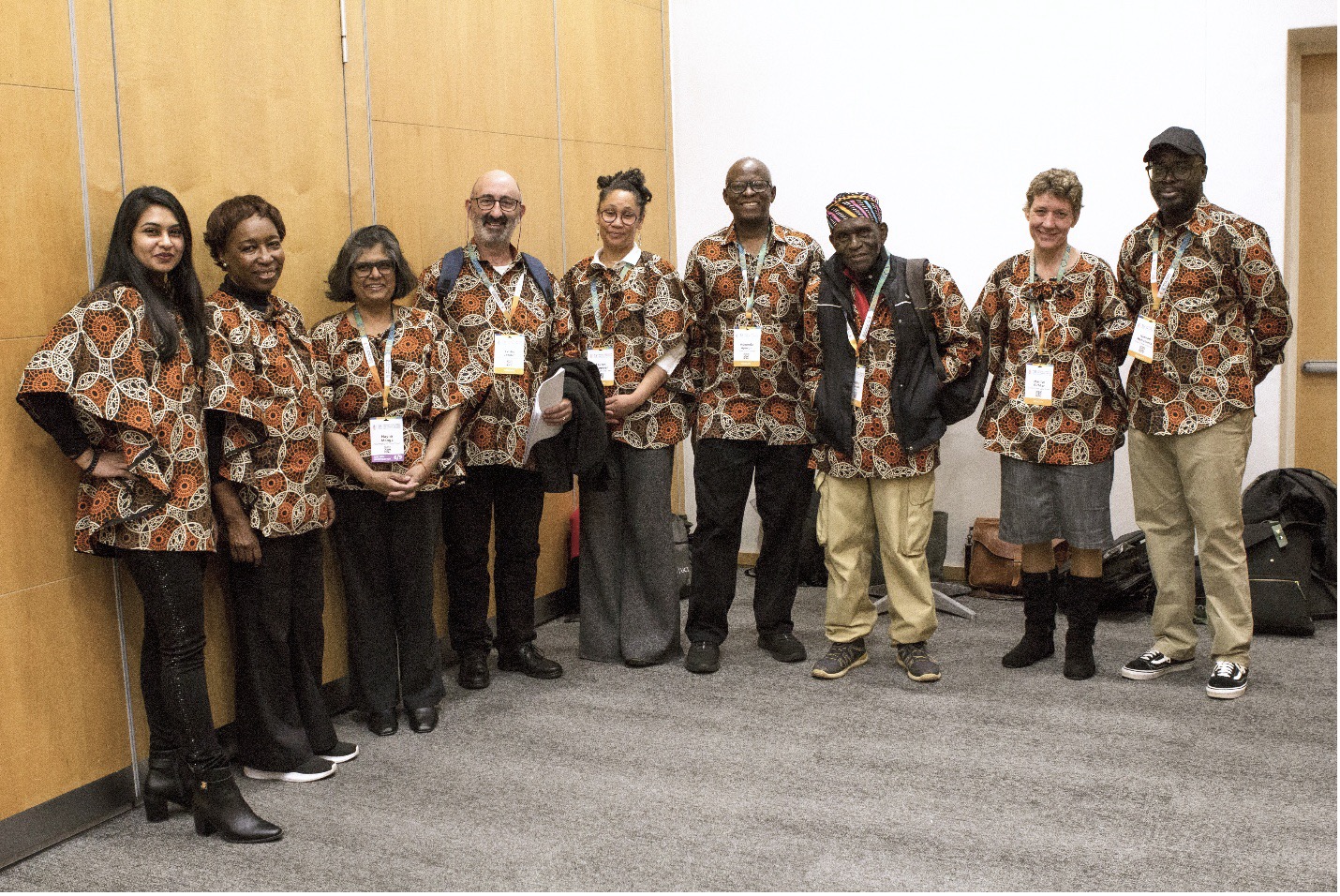
SHARPER Team Convened at the University of Cape Town, Attended the World Congress on Public Health, and Delivered Two Sessions that Promote Rights-Based and Population-Focused Health Research Benefit-Sharing

Annual Cross-Site Meeting: Reflecting, Strategising, and Strengthening Collaboration

From 10th to 12th September 2026, the SHARPER Project team convened at the University of Cape Town for its annual cross-site meeting, bringing together ten researchers and partners from across participating institutions to review progress, reflect on achievements, and strategically plan priorities for the year ahead.

The meeting provided an important platform for partners to assess ongoing activities across project sites, share experiences, discuss emerging challenges, and strengthen collaboration towards achieving SHARPER’s objectives of advancing ethical, rights-based, and population-focused approaches to health research.

Through constructive discussions and strategic planning sessions, the team reviewed implementation progress, identified opportunities for strengthening cross-site learning, and aligned future activities to ensure continued impact across research, policy, and practice. The meeting reinforced the value of collaborative approaches in addressing complex public health challenges and promoting research systems that prioritise ethics, equity, and meaningful benefits for populations.

Before the meeting, the SHARPER team participated in the World Congress on Public Health held between September 6-9, 2026, at the Cape Town International Convention Center, where the team contributed to global conversations on strengthening ethical and equitable approaches to health research.

Interactive Workshop and Role-Play, titled: If We Really Want Pandemic Preparedness, We Must Ensure Equity and Justice – The Role of Ethics Committees and Researchers in Promoting Population Benefits from Health Research
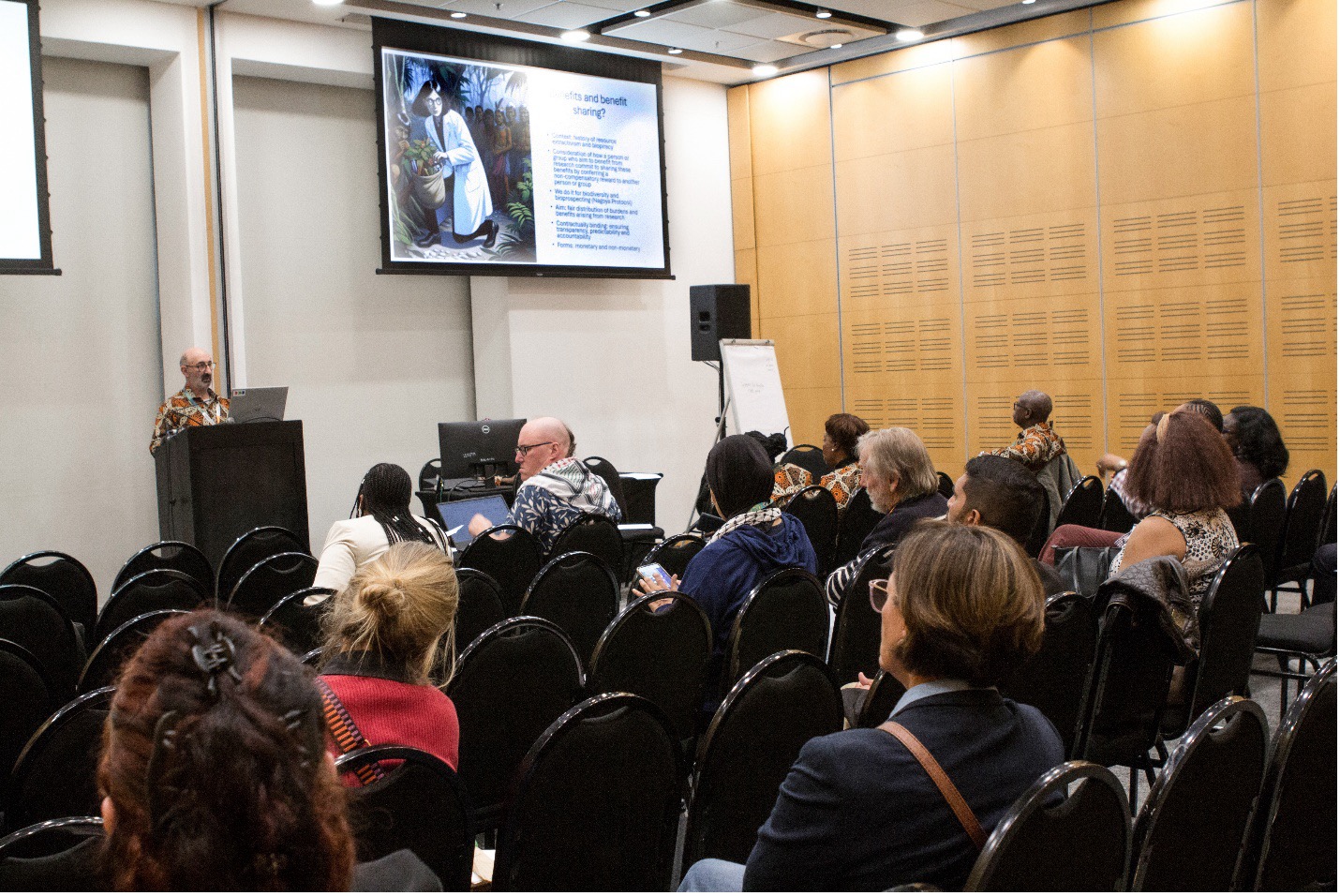
On 6th September 2026, at the 2026 World Congress on Public Health held in Cape Town, SHARPER Project organised an interactive workshop exploring the responsibilities of researchers, ethics committees, and health research stakeholders in ensuring that research generates meaningful benefits for populations.

The workshop brought together the expertise and leadership of SHARPER investigators and partners from different African institutions and public health networks, including representatives from the University of Cape Town, South Africa; University of Ibadan, Nigeria; Cameroon Bioethics Initiative, Cameroon; Tropical Institute for Community Health, Kenya; Kamuzu University, Malawi; and Afya na Haki, Uganda.

A central feature of the workshop was a mock Research Ethics Committee (REC) meeting through role-play involving the ethical review of a proposed artificial intelligence (AI)-guided diagnostic study for cardiomyopathy. The role-play simulated an ethics committee review process, allowing participants to identify practical ethical challenges related to AI-driven health research, conflicts of interest, technology ownership, and equitable access to research benefits.
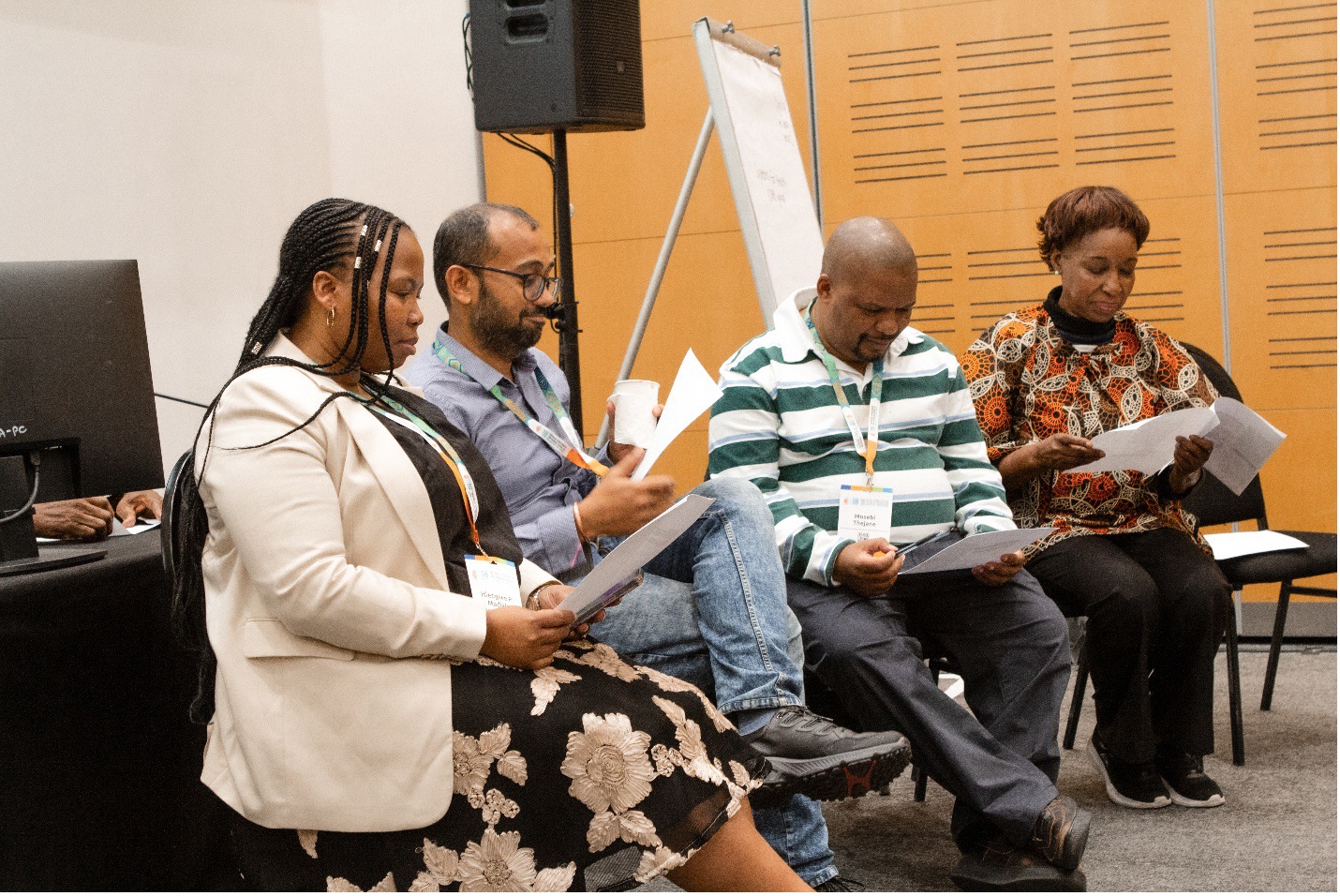
The role-play involved a simulated REC meeting consisting of a chair, a committee member presenting the research protocol, an additional committee member raising ethical concerns, and audience volunteers participating as REC members. Through this approach, participants were encouraged to critically examine how ethics committees assess not only scientific validity and participant protection but also broader questions of justice and benefit sharing.

During the discussion, participants explored whether researchers and sponsors have responsibilities beyond conducting scientifically valid studies, particularly regarding access to successful interventions after research completion. The session examined the importance of developing proactive plans to ensure that communities contributing to research are not excluded from benefiting from resulting innovations.

Following the role-play, participants reflected on the ethical issues raised through an interactive audience engagement exercise using Mentimeter. Discussions focused on questions including whether participants were treated fairly, whether the research adequately addressed population benefits, and whether the protocol sufficiently considered equitable benefit sharing.

The lessons from the workshop reinforced the importance of integrating equity, justice, and accountability into health research governance. Participants reflected on how ethics committees can play a stronger role in ensuring that research conducted in African contexts contributes to sustainable health improvements and meaningful benefits for African populations.

Poster Presentation: Why Ethics, Human Rights, and Population Benefits Matter
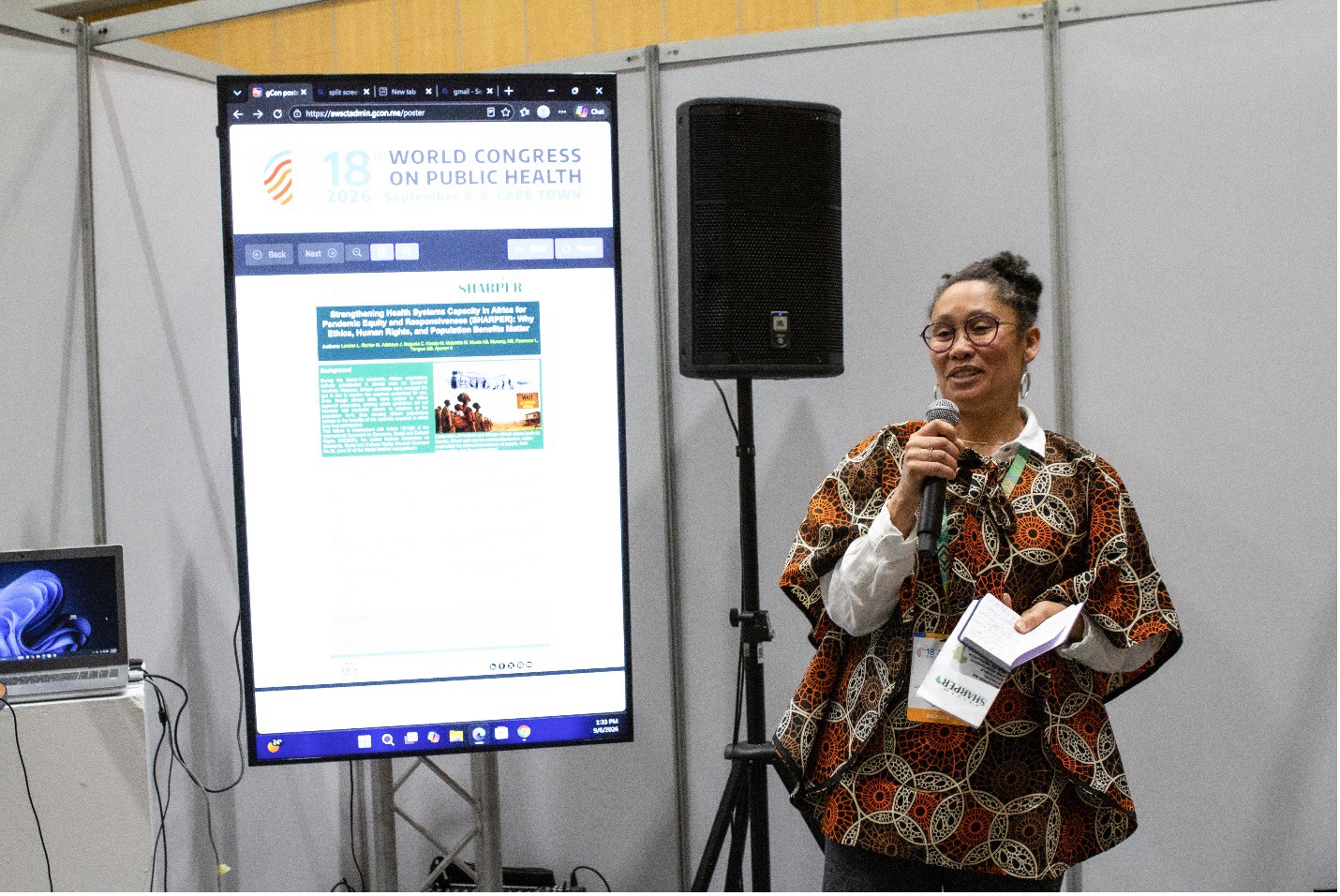
Following the workshop, the SHARPER Project presented a poster exploring the critical importance of ethics, human rights, and population benefits in shaping responsible health research.

The presentation highlighted the need to move beyond traditional approaches to research ethics that primarily focus on protecting individual participants, towards broader considerations of justice, equity, accountability, and the fair distribution of benefits arising from research. The presentation emphasised that public health research should not only generate scientific knowledge but also contribute meaningfully to improving the wellbeing of populations, particularly communities that participate in research and contribute to the advancement of health innovations.

Drawing on SHARPER’s mission to strengthen healthcare and apply research for population health, ethics, and rights, the poster presentation stimulated discussions around how researchers, ethics committees, policymakers, and communities can work together to ensure that research outcomes translate into sustainable population benefits. It also provided an opportunity to engage conference participants on the role of ethical frameworks in addressing global health inequalities and ensuring that advances in health research are accessible, equitable, and socially responsive.

Ultimately, SHARPER Project’s activities at the World Congress on Public Health highlighted three important messages. Firstly, ethical health research must consider not only how research is conducted, but also who benefits from its outcomes. Secondly, human rights and equity must remain central to decisions about research design, governance, and implementation. Lastly, researchers, ethics committees, governments, regulating agencies and communities share responsibility for ensuring that health innovations translate into population benefits.

Through the interactive workshop and poster presentation, SHARPER created opportunities for critical reflection and dialogue on strengthening ethical research systems and ensuring that public health research better serves populations.

Cocktail at the University of Cape Town Leadership
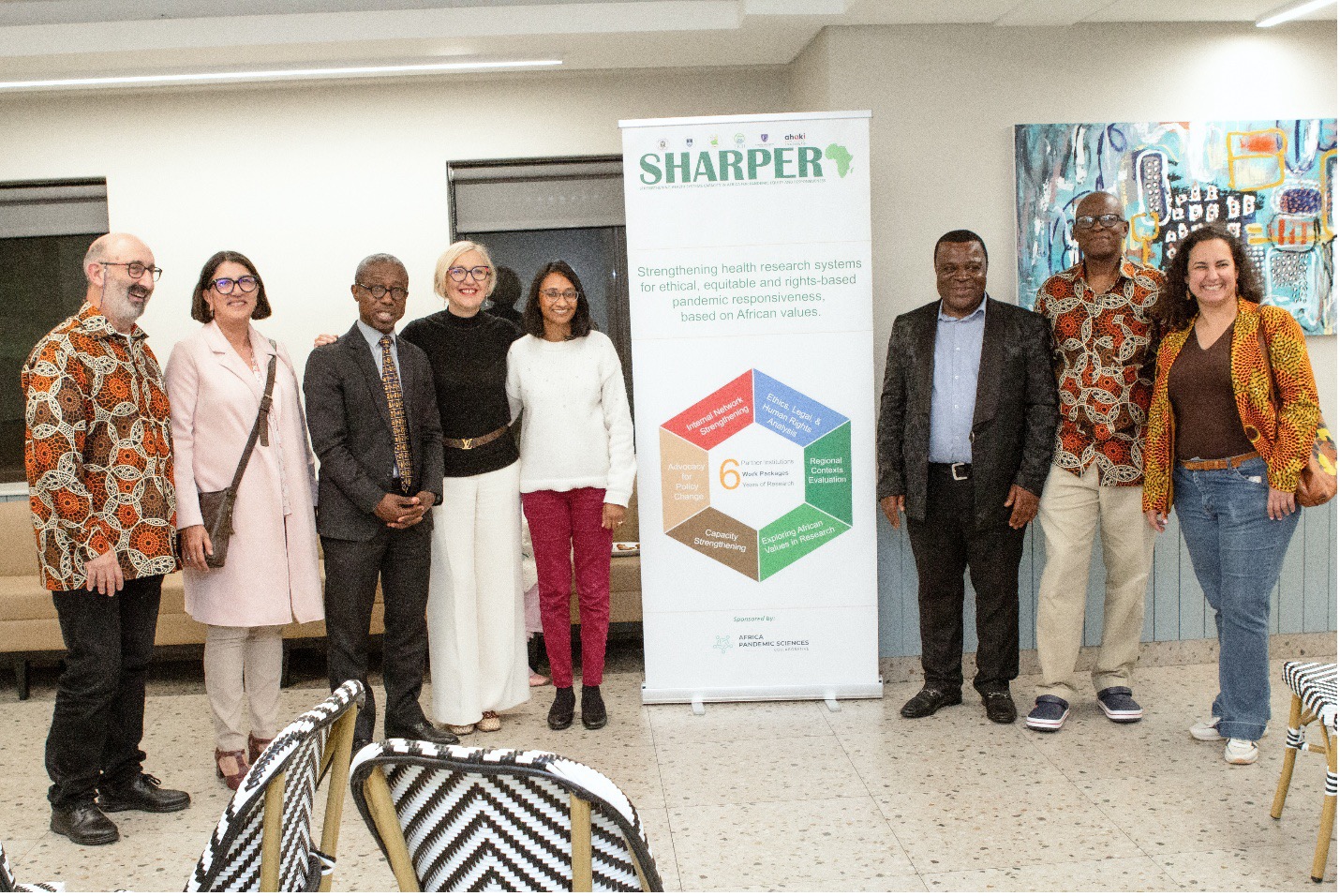
At the conclusion of the annual meeting and World Congress activities, on 12th September 2026, the SHARPER Project team held a cocktail with the Deputy Vice-Chancellor of the University of Cape Town, and some UCT management staff at the All Africa House. The meeting provided an opportunity for the team to formally acknowledge the support and institutional environment that enabled the successful convening of SHARPER activities in UCT. Discussions during the cocktail visit reaffirmed the importance of strengthening partnerships, advancing collaborative research, and continuing efforts to promote ethical, equitable, and impactful approaches to public health research.

SHARPER Project is being implemented with the support of the Africa Pandemic Sciences Collaborative, a multi-year partnership between the Science for Africa Foundation, the Pandemic Sciences Institute at the University of Oxford, and the Mastercard Foundation.

Follow the SHARPER Project social media channels for updates on engagements focused on ensuring that health research delivers meaningful benefits for populations.

Written by Adams Adeshola, Communications Officer, SHARPER Project. 
Four EPSILON Consortia Launch at UCT to Strengthen Pandemic Preparedness in Africa

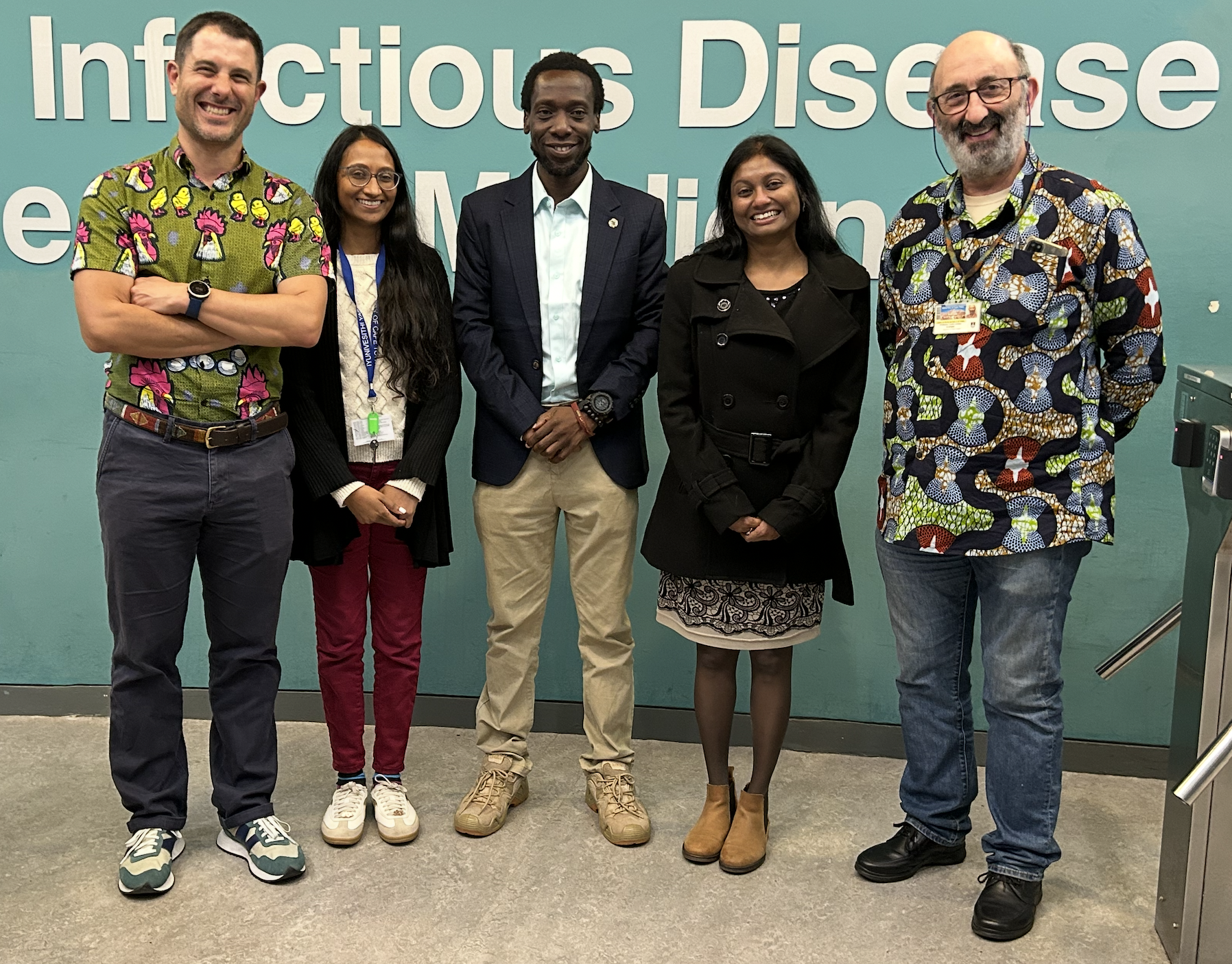
On Thursday, 21 May, the Institute of Infectious Disease and Molecular Medicine (IDM) at the University of Cape Town (UCT), South Africa, hosted the soft launch of four consortia funded by the Africa Pandemic Sciences Collaborative through a partnership between the Science for Africa Foundation, the University of Oxford’s Pandemic Sciences Institute, and Mastercard Foundation. Beyond supporting research, this collaboration also invests in strengthening the pandemic sciences ecosystem across the continent.

In total, seven Epidemic and Pandemic Sciences Innovation and Leadership Networks (EPSILONs) have been funded, each led by African scientists and designed to create a network of excellence in epidemic and pandemic sciences. The launch focused on the four consortia in which UCT is either the lead or a partner institution, spanning 11 African countries: Cameroon, Democratic Republic of the Congo (DRC), Ghana, Kenya, Malawi, Nigeria, Senegal, Tanzania, Uganda, Zimbabwe, and South Africa.

Opening remarks were delivered by Professor Wendy Burgers, Deputy Director of IDM, who reflected on the current lack of outbreak preparedness and the unequal global research landscape. Referring to discussions at the World Health Assembly and ongoing outbreaks such as Ebola in the DRC, she highlighted the need for African-led pandemic science and stronger collaboration across the continent.

Christina Pather from the Research Support Enterprise described the launch as “a step towards a stronger, more equitable and more resilient African research ecosystem”, while celebrating UCT’s participation in four of the seven funded projects and the interdisciplinary collaboration this represents.

The first consortium presented was the Consortium for Leadership of Epidemiological-economic Analysis for epidemic Response in Africa (CLEAR-Africa), led by Professor Sheetal Silal. CLEAR-Africa aims to strengthen preparedness for future pandemics by developing models that consider not only disease transmission and health outcomes, but also the social and economic consequences of public health responses. The consortium seeks to address the current modelling skills gap by training African researchers to lead and adapt epidemiological-economic models locally, ensuring that future outbreak responses are informed by both health and economic realities.

Associate Professor Jinal Bhiman then presented Surveillance Platforms and ImmunoLOgy for zoonotic Viruses with pandemic potential in Africa (SPIL-OVA), a consortium working at the human-animal interface to better understand zoonotic threats. SPIL-OVA focuses on identifying viruses with spillover potential circulating in African bat populations, recognised reservoirs of several emerging infections. Through multiple research work packages, the consortium aims to build knowledge about animal viral diversity, strengthen surveillance systems and support diverse leadership and scientific expertise across the continent.

Strengthening Health systems capacity in Africa for Pandemic Equity and Responsiveness (SHARPER) was presented by Professor Leslie London, representing one of the consortium partners. SHARPER seeks to transform how research is conducted and used in Africa by analysing the current policy and research landscape and identifying opportunities for change. The consortium will develop new tools, courses and academic outputs while placing equity, African values and human rights at the centre of pandemic preparedness and response, so as to ensure health research benefits populations and not only participants.

The final consortium presented was Advancing Capacity for Early Phase Trials for Pandemics and Epidemics in Africa (ACCEPT-Africa), presented by Dr Daniel Kiiza and Professor Paolo Denti. ACCEPT-Africa aims to strengthen early-phase clinical trial infrastructure across the continent, enabling trials, protocol development, and pharmacokinetic analysis to be conducted locally. The consortium also focuses on training researchers and laboratory teams so that future clinical research can be led within Africa and better reflect the populations it seeks to serve.

In their closing remarks, Angie Kerubo Mugisha and Dr Linda Murungi from the Africa Pandemic Sciences Collaborative, highlighted the importance of collaboration and thanked the principal investigators for their commitment to strengthening preparedness for future epidemics and pandemics. They reminded the audience that scientific knowledge should not remain within institutions but should reach communities and create impact at individual, institutional and systemic levels.

The launch concluded with a networking reception, bringing together students, researchers, partners, and consortium members. Earlier in the event, Professor Burgers reminded the audience that “Africa doesn’t lack talent; there has been a structural gap that has prevented the continent from working together.” The EPSILON programme seeks to address this gap by strengthening collaboration, leadership and scientific excellence across Africa.

Written by Elisabet Marti Coma-Cros and appeared HERE originally.  

up-arrow white-up-arrow