Human connections for better collaborations: Highlights from the 2026 Annual Meeting of the Africa Pandemic Sciences Collaborative

How many things can change in just over a year? 

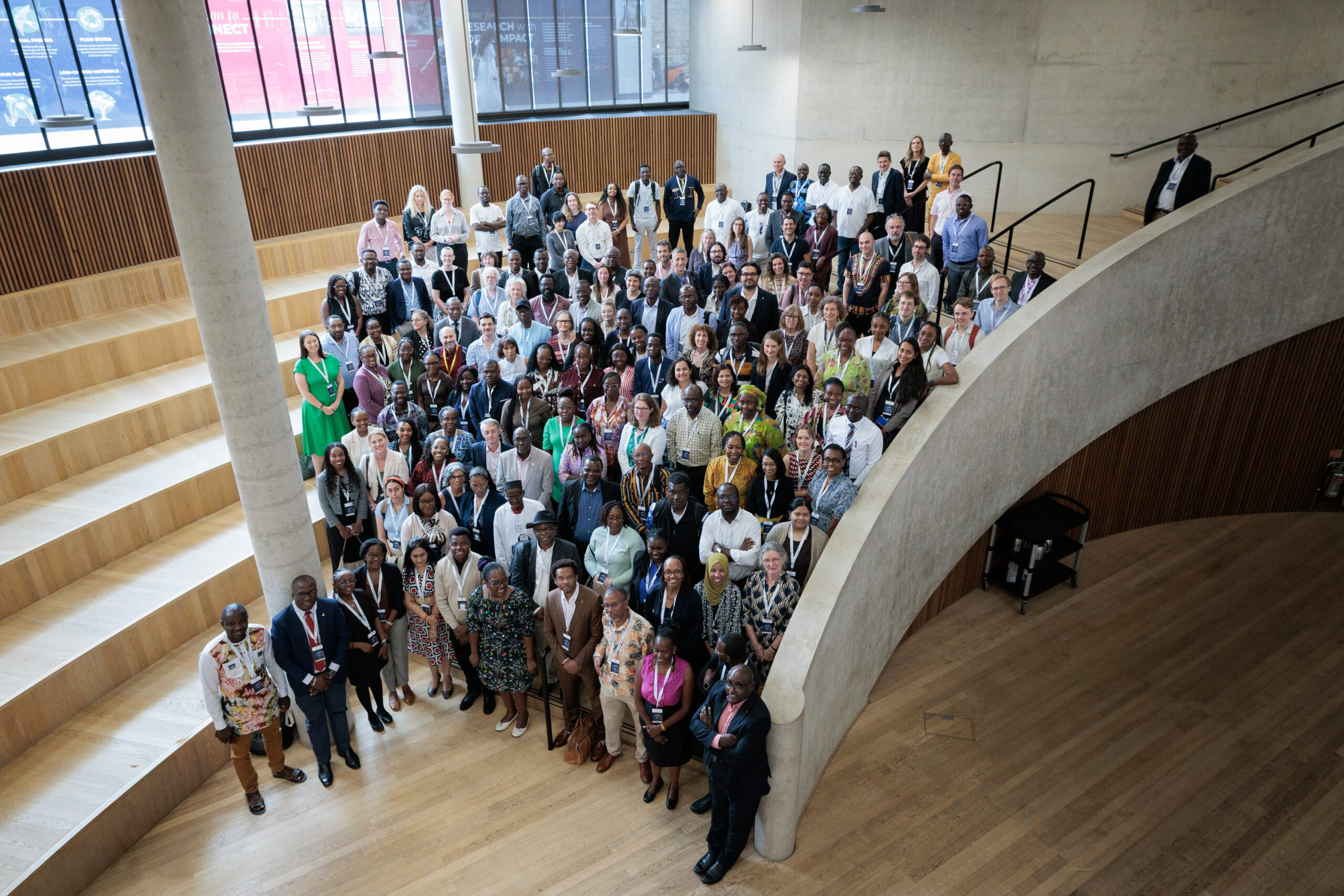
When the Africa Pandemic Sciences Collaborative members convened for the first time last year, we shared a common vision of advancing pandemic sciences across the continent. Our EPSILONs, the seven consortia of research excellence we are supporting, had just been formed; we had ideas and plans, but several of the people now sharing our journey weren’t even with us yet.  

At our second Annual Meeting, hosted in August in Oxford, we fully realised how much the Collaborative has grown in the meantime, both in size and in ambition. From vaccinology and virology to clinical trials and surveillance, and from modelling to ethics and policy – the Collaborative’s research is already contributing to real-world epidemic preparedness and response, including to the Bundibugyo Ebolavirus outbreak.  

During the Annual Meeting, research updates were often shared by our early-career scientists, who spoke with confidence and authority in representation of a growing cohort of up-and-comingscientists and professionals. This is what the Collaborative aims to do – nurture the next generation of African scientists and enable them to strengthen pandemic resilience in Africa and worldwide.  

The Collaborative, however, is more than a network of researchers. It’s the technicians who support research activities; the finance professionals who help run projects smoothly, sustainably and compliantly; the programme teams who make sure that lasting change can be delivered. It’s the MEAL specialists who track impact and ensure accountability; the communications professionals who mobilise vital information; and the policy teams who help transform research into effective solutions.  

With these colleagues and many more – from our partner institutions, our EPSILONs and our broader network – we spent five days constantly learning from each other. Meetings like these consolidaterelationships and increase mutual trust, leading to better collaborations that are informed by different perspectives and expertise. 

We don’t simply want our researchers to succeed. We want our institutions to emerge more robust and resilient, helping create a solid ecosystem where one’s strength is everybody’s strength.  Where clear pipelines to policy and practice exist, allowing our work to improve the lives of our people. 

That’s how, together, we will nurture and equip an emerging generation of young African scientists to tackle epidemic and pandemic threats – today and in the future.

Three Consortia, One Mandate: Inside Uganda’s EPSILONs Unified Pandemic Preparedness and Response System

The lull between outbreaks is often defined by a quiet, dangerous erosion: trained personnel move on, specialized laboratories pivot, and institutional memory fades. When the next virus occurs, Africa’s scientific community is forced to rebuild its response efforts from scratch.

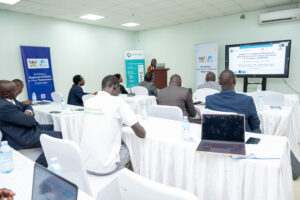
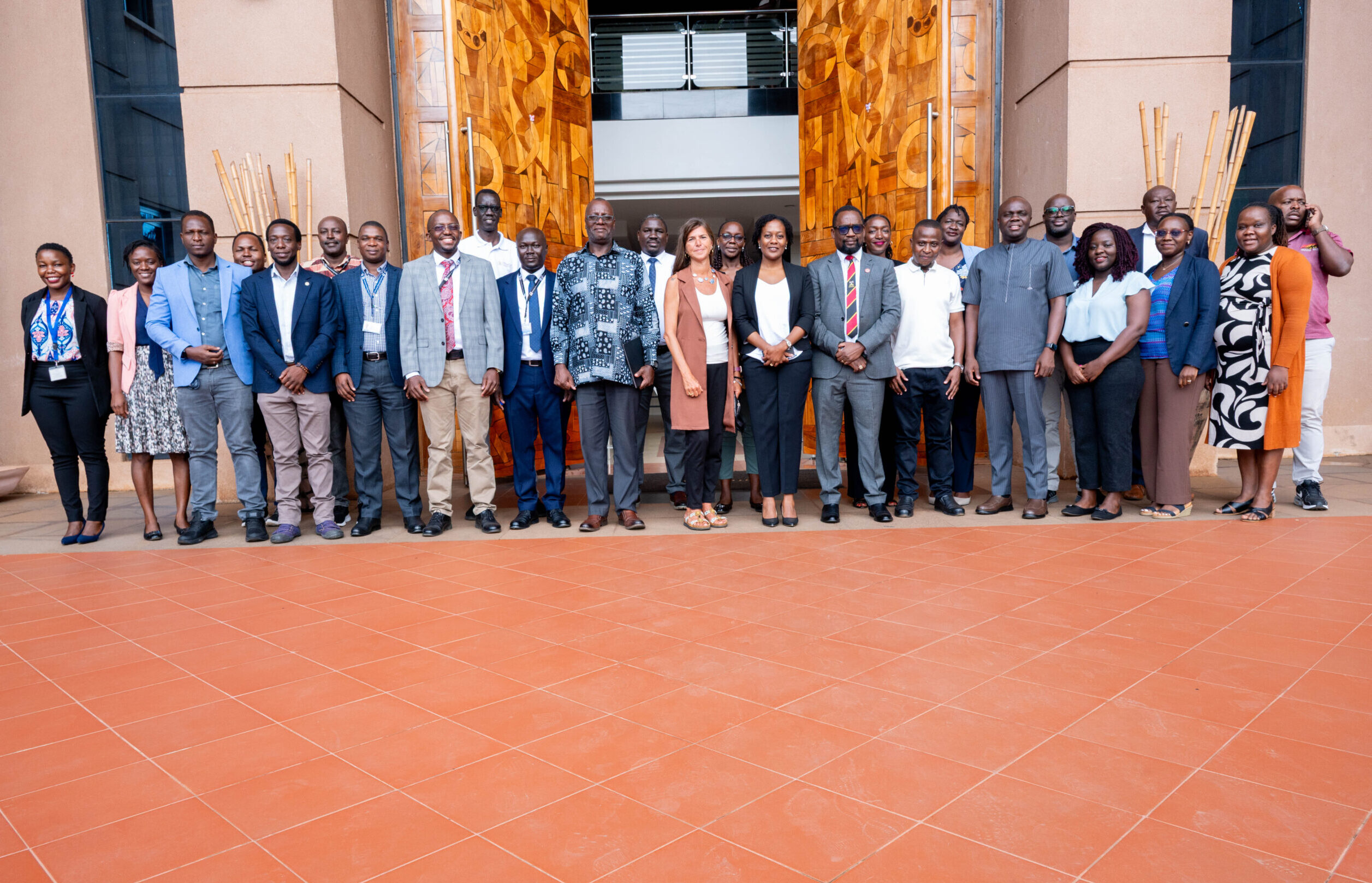
On July 31, 2026, inside the Sande McKinnell Centre at Makerere University’s Infectious Diseases Institute (IDI) three Ugandan-based Epidemic and Pandemic Sciences Innovation and Leadership Networks (EPSILONs) consortia committed to a different approach: build connections before the next outbreak, not during it.

The Uganda EPSILON Mini-Launch brought together: Advancing Capacity for Early Phase Trials for Pandemics and Epidemics in Africa (ACCEPT-Africa), Prevention and Response to Emerging viruses with Pandemic potential in Africa Epsilon (PREPARE) and Strengthening Health systems capacity in Africa for Pandemic Equity and Responsiveness (SHARPER) – three consortia working across different but interconnected areas of pandemic preparedness under the Africa Pandemic Sciences Collaborative. Their meeting marked a shift from parallel efforts towards greater collaboration and long-term capacity building.

Beyond Parallel Silos

Each consortium brings a distinct capability to Uganda’s pandemic preparedness.

ACCEPT-Africa focuses on clinical trials and medical countermeasures, building the capacity to design and conduct early-phase clinical trials in Africa. PREPARE is focused on an early vaccine and diagnostic development for priority pathogens

 helping generate timely evidence on emerging pathogens. SHARPER focuses on the social, ethical and community dimensions that underpin effective research and response.

“ACCEPT-Africa was built to move fast when speed matters most,” said Dr Christine Sekaggya-Wiltshire, who leads the consortia. “But no single network can prepare a country alone. Standing alongside SHARPER and PREPARE today means we can pool our strengths, share what each of us has learned, and respond as one system instead of three.”

 “Preparedness cannot live in silos,” added Dr Andrew Kambugu, IDI’s Executive Director. “Today’s Mini-Launch is IDI’s commitment to a Uganda where our pandemic science networks plan together, train together, and respond together, long before the next outbreak begins.”

The gathering brought together representatives from Uganda’s Ministry of Health, Makerere University College of Health Sciences, Africa CDC, the Science for Africa Foundation and research institutions, reflecting the range of actors needed to translate scientific capacity into effective preparedness.

The Case for Each Other

The morning’s presentations showed why the three consortia need each other.

Dr Daniel Kiiza laid out ACCEPT-Africa’s ambition to build a sustainable pool of independent African research scientists capable of designing and running early-phase trials rather than Africa remaining a site where products developed elsewhere are simply tested.

Dr Joyce Namulondo described PREPARE’s push to close the gap between an outbreak starting and a pathogen being understood. Using influenza as an example, she highlighted the role of genomic surveillance in tracking rapidly evolving viruses and generating evidence that can inform vaccine development.

Nimrod Muhumuza presented SHARPER’s case that no amount of laboratory excellence survives contact with a community that does not trust the response. The consortium’s guiding line was that researchers must not simply take science to communities but build science with them.

Together, the presentations made a simple point: detecting a pathogen, developing a medical response, and ensuring that communities can participate in and benefit from that response are not separate challenges. They are parts of the same pandemic preparedness and response system.

Building Science with the Community

The afternoon’s panel discussions moved quickly past administrative goals to address the stark realities of field deployment. When asked how response teams can navigate mistrust such as the tragic attacks on Ebola treatment units seen in neighbouring DRC during the 2026 outbreak, the consensus was unequivocal: technical excellence fails if community trust is absent.

Dr Moses Mulumba spoke about SHARPER’s focus on an “Afrocentric” approach to research, including examining whether research standards developed elsewhere adequately reflect African contexts and values. The approach also asks a broader question: whether communities are merely sources of data or participants who should experience meaningful benefits from the research.

Dr Christine Sekaggya-Wiltshire put it plainly: “We go beyond just the clinical trials; we build synergies with communities to understand their perceptions towards the work we are doing.”

Empowering Tomorrow’s Science Leaders

Central to the Africa Pandemic Sciences Collaborative’s mandate is ensuring that early-career researchers do not remain in administrative shadows. To operationalize this, Dr Sekaggya described ACCEPT-Africa’s Catalyst Groups in pharmacokinetics, clinical trials, bio-ethics and behavioral science, where junior scientists apply for grants under senior mentorship rather than waiting years to lead their first study.

Dr. Linda Murungi, Program Manager for the Africa Pandemic Sciences Collaborative, widened the definition of capacity building further. “It is not only about scientists,” she reminded the room, “but also the finance officers, grants managers and policy specialists who make African-led research possible. This institutional infrastructure may be less visible, but without it, no scientific breakthrough can survive.”

As the mini-launch concluded in Kampala, the significance of bringing the three consortia together was becoming clearer. Uganda’s pandemic preparedness does not depend on any single laboratory, research network or discipline. It depends on whether those capabilities can connect when they are needed.
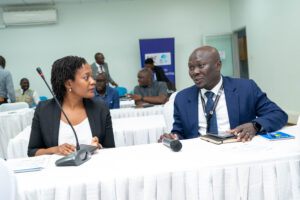
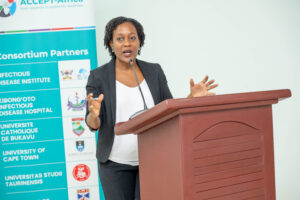
Four EPSILON Consortia Launch at UCT to Strengthen Pandemic Preparedness in Africa

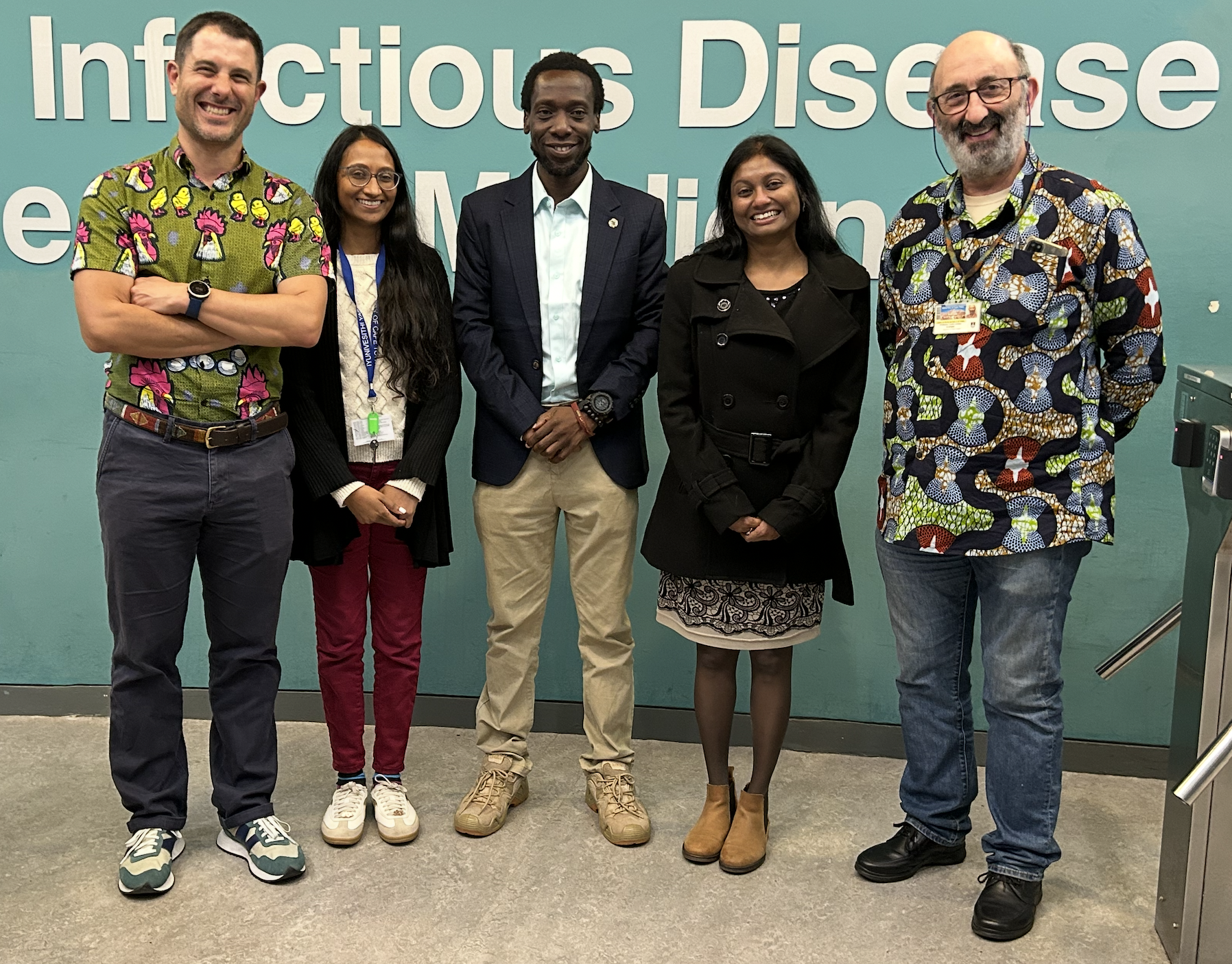
On Thursday, 21 May, the Institute of Infectious Disease and Molecular Medicine (IDM) at the University of Cape Town (UCT), South Africa, hosted the soft launch of four consortia funded by the Africa Pandemic Sciences Collaborative through a partnership between the Science for Africa Foundation, the University of Oxford’s Pandemic Sciences Institute, and Mastercard Foundation. Beyond supporting research, this collaboration also invests in strengthening the pandemic sciences ecosystem across the continent.

In total, seven Epidemic and Pandemic Sciences Innovation and Leadership Networks (EPSILONs) have been funded, each led by African scientists and designed to create a network of excellence in epidemic and pandemic sciences. The launch focused on the four consortia in which UCT is either the lead or a partner institution, spanning 11 African countries: Cameroon, Democratic Republic of the Congo (DRC), Ghana, Kenya, Malawi, Nigeria, Senegal, Tanzania, Uganda, Zimbabwe, and South Africa.

Opening remarks were delivered by Professor Wendy Burgers, Deputy Director of IDM, who reflected on the current lack of outbreak preparedness and the unequal global research landscape. Referring to discussions at the World Health Assembly and ongoing outbreaks such as Ebola in the DRC, she highlighted the need for African-led pandemic science and stronger collaboration across the continent.

Christina Pather from the Research Support Enterprise described the launch as “a step towards a stronger, more equitable and more resilient African research ecosystem”, while celebrating UCT’s participation in four of the seven funded projects and the interdisciplinary collaboration this represents.

The first consortium presented was the Consortium for Leadership of Epidemiological-economic Analysis for epidemic Response in Africa (CLEAR-Africa), led by Professor Sheetal Silal. CLEAR-Africa aims to strengthen preparedness for future pandemics by developing models that consider not only disease transmission and health outcomes, but also the social and economic consequences of public health responses. The consortium seeks to address the current modelling skills gap by training African researchers to lead and adapt epidemiological-economic models locally, ensuring that future outbreak responses are informed by both health and economic realities.

Associate Professor Jinal Bhiman then presented Surveillance Platforms and ImmunoLOgy for zoonotic Viruses with pandemic potential in Africa (SPIL-OVA), a consortium working at the human-animal interface to better understand zoonotic threats. SPIL-OVA focuses on identifying viruses with spillover potential circulating in African bat populations, recognised reservoirs of several emerging infections. Through multiple research work packages, the consortium aims to build knowledge about animal viral diversity, strengthen surveillance systems and support diverse leadership and scientific expertise across the continent.

Strengthening Health systems capacity in Africa for Pandemic Equity and Responsiveness (SHARPER) was presented by Professor Leslie London, representing one of the consortium partners. SHARPER seeks to transform how research is conducted and used in Africa by analysing the current policy and research landscape and identifying opportunities for change. The consortium will develop new tools, courses and academic outputs while placing equity, African values and human rights at the centre of pandemic preparedness and response, so as to ensure health research benefits populations and not only participants.

The final consortium presented was Advancing Capacity for Early Phase Trials for Pandemics and Epidemics in Africa (ACCEPT-Africa), presented by Dr Daniel Kiiza and Professor Paolo Denti. ACCEPT-Africa aims to strengthen early-phase clinical trial infrastructure across the continent, enabling trials, protocol development, and pharmacokinetic analysis to be conducted locally. The consortium also focuses on training researchers and laboratory teams so that future clinical research can be led within Africa and better reflect the populations it seeks to serve.

In their closing remarks, Angie Kerubo Mugisha and Dr Linda Murungi from the Africa Pandemic Sciences Collaborative, highlighted the importance of collaboration and thanked the principal investigators for their commitment to strengthening preparedness for future epidemics and pandemics. They reminded the audience that scientific knowledge should not remain within institutions but should reach communities and create impact at individual, institutional and systemic levels.

The launch concluded with a networking reception, bringing together students, researchers, partners, and consortium members. Earlier in the event, Professor Burgers reminded the audience that “Africa doesn’t lack talent; there has been a structural gap that has prevented the continent from working together.” The EPSILON programme seeks to address this gap by strengthening collaboration, leadership and scientific excellence across Africa.

Written by Elisabet Marti Coma-Cros and appeared HERE originally.  

up-arrow white-up-arrow