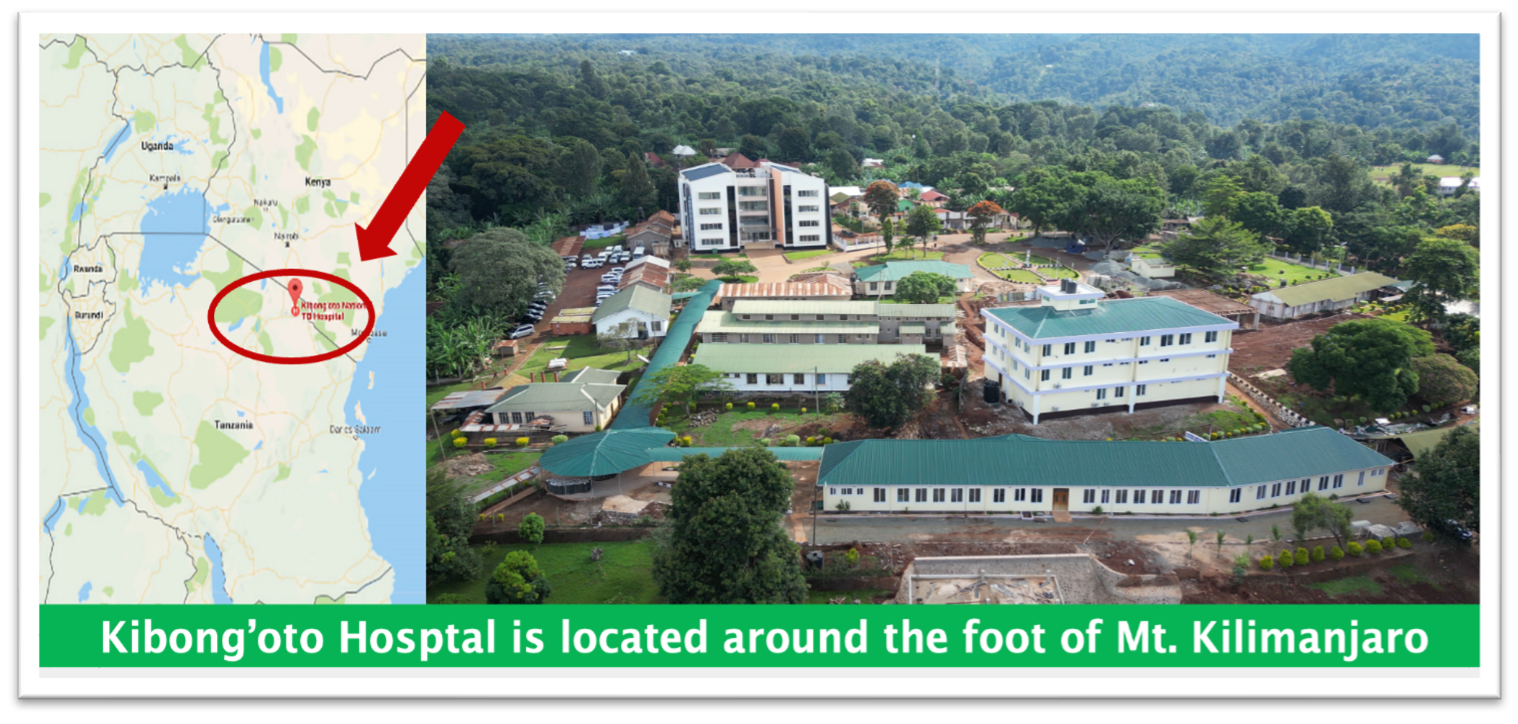
A century after its establishment as a tuberculosis (TB) sanatorium, Kibong’oto Infectious Diseases Hospital (KIDH) has reached a defining milestone in its history. After more than a decade of sustained investment in scientific expertise, research infrastructure, and institutional systems, KIDH has been elevated into the Tanzania Infectious Diseases Institute (TIDI), a significant step forward for Tanzania’s infectious disease preparedness.
On 24 July 2026, through a Government Gazette Notice No. 216 of 2026, the Government of Tanzania formally established TIDI. The new institute expands KIDH’s mandate beyond specialized clinical care to include a broader national role in infectious disease research, preparedness, rapid response, and scientific capacity development.
This significant milestone coincides with 100 years of TB services at Kibong’oto. From its origins as a TB sanatorium in 1926, the institution has evolved into a national institute positioned to address a wider range of infectious disease threats.
“The transition to TIDI represents the most significant transformation in Kibong’oto’s 100-year history. It broadens our role from specialised infectious-disease care to a national platform for research, surveillance, preparedness, training and innovation, while strengthening Tanzania’s contribution to regional and global health security.”
— Professor Stellah Mpagama, Director of Research Training and Innovations Tanzania Infectious Diseases Institute (TIDI)
This transformation reflects the changing health landscape in Tanzania and the wider East African region, where emerging and re-emerging infectious diseases continue to pose a growing risk. The establishment of TIDI represents an important step towards strengthening Tanzania’s ability to anticipate, investigate, and respond to future health threats. Strengthening national instituitions that can connect specialized clinical care with research, evidence generation, clinical trials and rapid response is increasingly important.
The transformation did not happen overnight
For more than a decade, KIDH has received sustained investment towards strengthening its technical, research, and administrative capacity. During this period, the institution developed specialized expertise in managing drug-resistant TB and other infectious diseases, expanded its outreach to underserved and marginalized communities, and strengthened its laboratory and research infrastructure.

KIDH also established the capacity to conduct Phase II and III clinical trials in TB and HIV, demonstrating its growing role as a centre for high-quality clinical research. These investments provided a strong foundation for the institution’s expanded mandate.
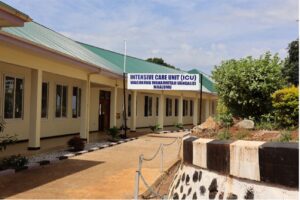
More recently, participation in the Advancing Capacity for Early Phase Trials for Pandemics and Epidemics in Africa (ACCEPT-Africa) consortium has supported the next stage of this journey. Through the consortium, KIDH/TIDI is strengthening its readiness to conduct early-phase clinical trials, including the development of Phase I capabilities, stronger clinical and research systems, and multidisciplinary research teams.
Collaboration with the Infectious Diseases Institute (IDI) at Makerere University, and other consortium partners has also created opportunities for technical learning, knowledge exchange, and regional collaboration. These partnerships are helping strengthen the capacity of African institutions to prepare for and respond to future epidemics and pandemics.
Additionally, investment in people has been central to KIDH’s transformation. The institution has supported the development of a growing generation of researchers and research leaders, including more than 25 MSc trainees, 19 PhD trainees, and 15 postdoctoral trainees. It has also developed seven research administration personnel and strengthened grant management and institutional governance.
“I was a PhD fellow in the ReMODEL training programme at TIDI, formerly KIDH, which was supported by EDCTP2. Through this programme, I networked and worked with several other consortia, including the Training Health Researchers in Vocational Excellence (ThRIVE-2) and the Application of Genomics and Modelling to the Control of Virus Pathogens in East Africa (GeMVi), the latter supported by NIHR. The programme strengthened my early-career research skills, including conceptual, technical and interpersonal skills in pathogen genomics, which have created a spillover effect into the ACCEPT-Africa consortium.”
— Dr. Shabani Mziray, Laboratory Scientist
Together, these investments have strengthened the expertise and systems needed to manage complex research programmes, attract competitive funding, and generate evidence that responds to Tanzania’s health priorities.
The impact of TIDI extends beyond the institution itself
For Tanzanian researchers and young scientists, the revised institutional mandate creates new opportunities to build careers in advanced infectious disease research while contributing to solutions for health challenges facing their own communities.
For patients and communities, the institute offers the potential for greater access to specialized expertise and research-informed care. It also provides a stronger platform for evidence generated in Tanzania to inform responses to the health threats affecting Tanzanian communities.
The transformation into the Tanzania Infectious Diseases Institute (TIDI) is more than a change of name. From its beginnings as a TB sanatorium in 1926 to a national infectious diseases institute a century later, TIDI’s journey demonstrates what sustained investment in people, infrastructure, institutions and partnerships can achieve over time. For the ACCEPT-Africa consortium, this milestone provides a tangible example of how investments in clinical trial readiness and scientific capacity can contribute to lasting institutional development, while creating opportunities to strengthen Tanzania’s research ecosystem and its contribution to regional pandemic preparedness.
As TIDI begins this new chapter, it is better positioned to advance clinical and infectious disease research, generate evidence, develop scientific leaders and strengthen Tanzania’s capacity to respond to emerging health threats. The next phase will focus on translating this expanded mandate into stronger research infrastructure, early-phase clinical research capability and new opportunities for collaboration. Together, TIDI and ACCEPT-Africa can help build a stronger platform for pandemic research in Tanzania and across Africa, bringing researchers, institutions, policymakers and partners together to share expertise, deepen collaboration and contribute to a more resilient continental research ecosystem.

Written by Onai Yambazi, Communications Officer, ACCEPT-Africa consortium