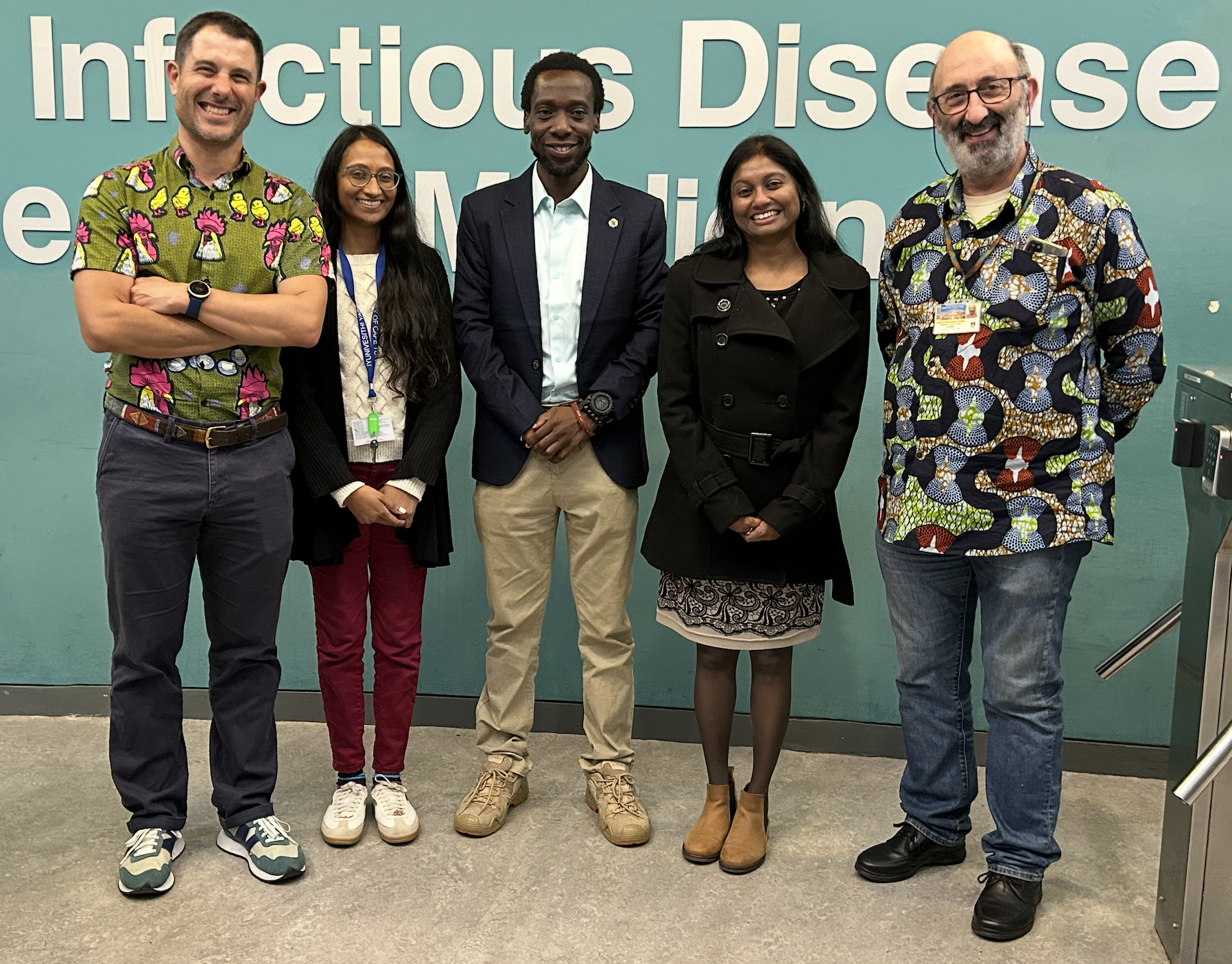
Africa’s experience with COVID-19, Ebola, Marburg, Rift Valley Fever, and other infectious disease threats has reinforced a critical lesson: preparedness cannot be outsourced. It must be built, coordinated, and sustained from within.
Across the continent, new efforts are emerging to strengthen how African institutions collaborate, generate evidence, and respond to future health threats. One such effort is the Prevention and Response to Emerging Viruses with Pandemic Potential in Africa Research Epsilon (PREPARE) Network — a multi-country initiative bringing together leading research institutions to advance pandemic preparedness.
PREPARE is one of several Epidemic and Pandemic Sciences Innovation and Leadership Networks (EPSILONs) supported under the Africa Pandemic Sciences Collaborative (the Collaborative). Through these networks, the Collaborative invests in African-led research partnerships that aim to strengthen scientific capacity, enhance collaboration, and support the development of locally driven solutions to emerging health threats.
An African-Led, Collaborative Approach
At its core, PREPARE seeks to strengthen One Health approaches to infectious disease surveillance and diagnosis across South Africa, Uganda, Kenya, the Democratic Republic of the Congo (DRC), and Côte d’Ivoire. By integrating human, animal, and environmental health systems, the Network is designed to support earlier detection of epidemic- and pandemic-prone pathogens and improve understanding of how such threats emerge and spread.
The initiative reflects a growing recognition that effective preparedness depends not only on scientific discovery, but also on strong, coordinated research ecosystems that can respond quickly and collaboratively across borders.
Building a Network for Surveillance and Research
Over its implementation period (2025–2030), PREPARE will support the development of interconnected research and surveillance nodes across multiple regions of Africa. Participating institutions will draw on a combination of retrospective biological samples and expanded prospective surveillance across human, animal, and environmental systems.
The Network is expected to strengthen the use of multi-pathogen diagnostics, genomic sequencing, and other advanced research tools to improve detection and characterization of both known and previously unidentified pathogens. Linking laboratory findings with clinical and epidemiological data will help deepen understanding of how pathogens evolve, transmit, and affect populations.
While still in its early stages, this integrated approach is intended to contribute to closing critical gaps in early warning systems and strengthening the evidence base for public health decision-making.
From Detection to Preparedness
In addition to strengthening surveillance, PREPARE is designed to support research that contributes to future response strategies, including the development of prototype vaccine approaches using emerging technologies.
By investing in research platforms and scientific collaboration ahead of major outbreaks, such efforts aim to position African institutions to contribute more actively to global pandemic response efforts, while also addressing regional priorities.
Strengthening Capacity for the Long Term
A key pillar of the Network is strengthening research capacity across participating institutions. Through linkages with established initiatives such as the Consortium for Advanced Research Training in Africa (CARTA) and other academic partners, PREPARE is expected to support the development of early-career researchers in areas such as genomics, surveillance, and advanced research methodologies.
Such efforts contribute to building a pipeline of scientists equipped to lead future epidemic preparedness and response efforts across the continent.
Role of Coordination and Enabling Systems
Beyond the science itself, PREPARE reflects a broader shift in how large-scale research collaborations are being organized across Africa — with increasing emphasis on partnership, shared infrastructure, and coordinated implementation.
The PREPARE Network brings together a consortium of African research institutions, with scientific leadership anchored at the Infectious Diseases and Oncology Research Institute (IDORI) at the University of the Witwatersrand. APHRC plays a central coordination role, supporting program implementation, fund management, and capacity strengthening across the network.
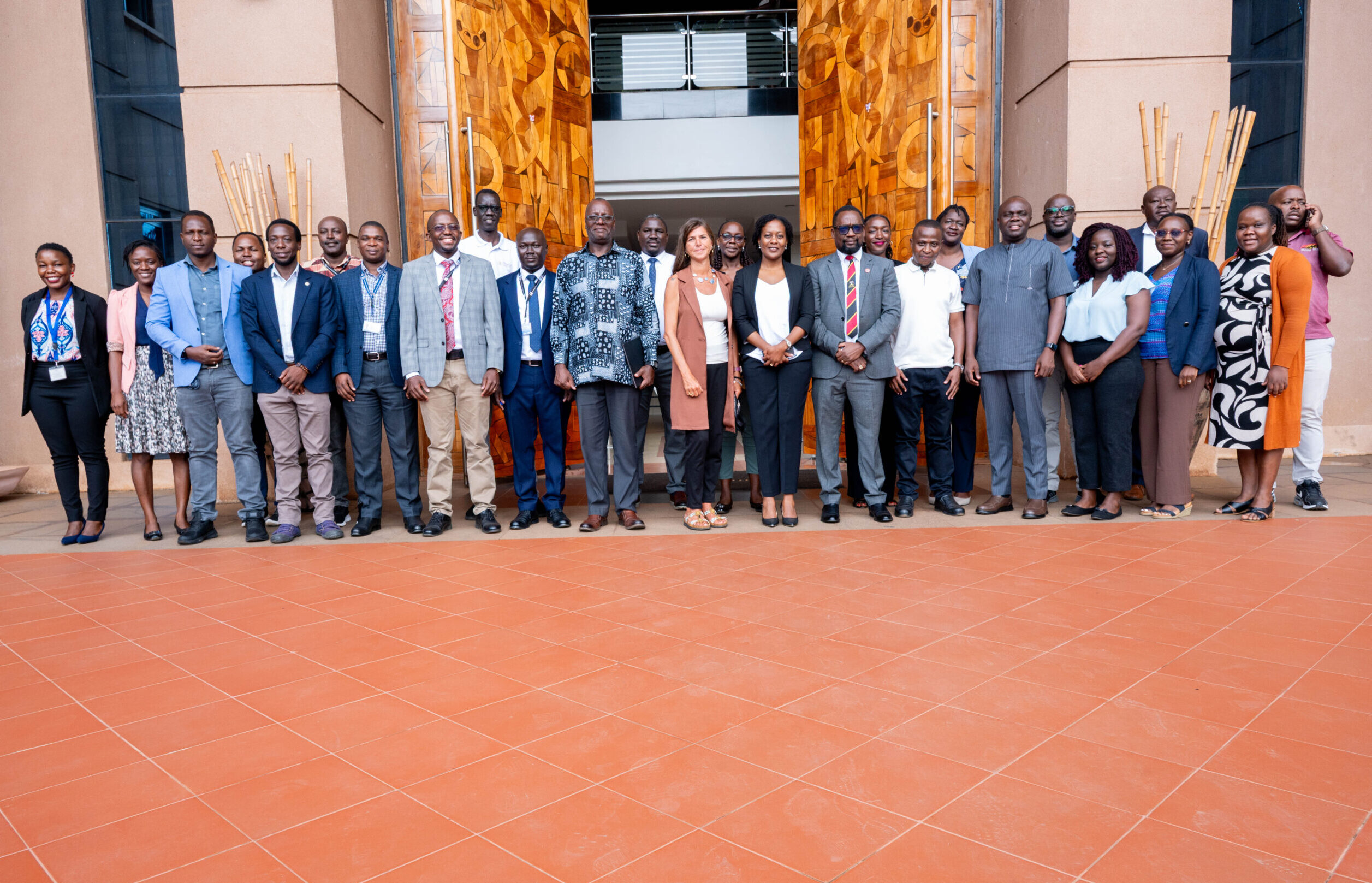
Partner institutions include Centre Hospitalier Universitaire de Bouaké (Côte d’Ivoire), Institut National de Recherche Biomédicale (Democratic Republic of the Congo), Kenya Medical Research Institute (Kenya) and the Uganda National Health Research Organisation (Uganda). Together, these institutions form a geographically diverse and technically complementary network.
As the Network moves into implementation, its success will depend on sustained collaboration, trust among partners, and effective coordination across institutions and countries.
While still at an early stage, PREPARE offers an important example of how African institutions are working together to build the systems, partnerships, and capabilities needed to strengthen preparedness for future pandemics. In doing so, it reflects a broader shift toward more coordinated, locally driven approaches to addressing global health challenges.
Strengthening Africa’s Capacity to Detect and Respond to Emerging Pandemic Threats
Africa’s experience with COVID-19, Ebola, Marburg, Rift Valley Fever, and other infectious threats has reinforced a powerful lesson: preparedness cannot be outsourced. It must be built, led, and sustained from within. In response, the African Population and Health Research Center (APHRC) is collaborating on an initiative to strengthen Africa’s ability to detect, prevent, and respond to emerging viruses with pandemic potential — the Prevention and Response to Emerging Viruses with Pandemic Potential in Africa Research Epsilon (PREPARE) Network.
One of several Epidemic and Pandemic Sciences Innovation and Leadership Networks (EPSILONs) supported under the Africa Pandemic Sciences Collaborative (The Collaborative), PREPARE represents a decisive shift from reactive crisis response to proactive, science-driven epidemic preparedness. Through EPSILON networks, The Collaborative invests in African-led research consortia that advance pandemic science, strengthen institutional capacity, and nurture the next generation of African scientists working to predict, prevent, and respond to epidemic threats.
An African-Led Vision for Pandemic Preparedness
At the core of PREPARE is a simple but urgent goal: to enhance One Health infectious disease surveillance and diagnosis in South Africa, Uganda, Kenya, the Democratic Republic of the Congo (DRC), and Côte d’Ivoire. This will enable earlier detection of epidemic- and pandemic-prone pathogens and accelerate prototype vaccine development in response to emerging threats.
This work recognizes that robust One Health research networks, integrating human, animal, and environmental health, are essential for detecting and controlling zoonotic, vector-borne, and respiratory viruses before they spiral into regional or global crises.
A Continental Network of Surveillance and Scientific Excellence
Over its implementation period (2025–2030), PREPARE will develop key research and surveillance nodes across South, East, and West Africa. Clinical sites in the five aforementioned countries will leverage:
- Retrospectively collected biological samples
- Expanded prospective syndromic surveillance in humans, animals, and the environment
- Multi-pathogen molecular and serological diagnostics
- Rapid diagnostic technologies
- Next-generation sequencing platforms
This integrated approach enables detection of both known and previously unidentified pathogens, closing critical gaps in early warning systems.
Linking genomic data with clinical and epidemiological insights, the Network will also analyze how viral variants influence severity, transmissibility, and immune evasion. This genotype-to-phenotype characterization is essential for understanding risk and informing targeted interventions.
From Detection to Vaccine Development
Unlike traditional surveillance initiatives, PREPARE extends beyond detection. Using innovative research platforms, the Network will develop prototype vaccines using mRNA technologies, Viral vector platforms and Recombinant protein approaches.
With the investing in prototype vaccine development ahead of major outbreaks, Africa positions itself not only to respond faster but also to contribute to global vaccine innovation. This represents a new frontier: moving from being a site of clinical trials to becoming a hub of vaccine research and development leadership.
Capacity Strengthening at the Core
A defining feature of PREPARE is its commitment to sustainable capacity development. The Network will train early-career researchers in One Health surveillance, genomics, vaccine development, and advanced research methodologies. This effort is strengthened through collaboration with the Consortium for Advanced Research Training in Africa (CARTA), a pan-African partnership that has trained hundreds of doctoral fellows and helped strengthen research and PhD training capacity across African universities. By linking PREPARE researchers to this established training ecosystem and other leading academic institutions, the initiative helps nurture a new generation of African scientists equipped to lead epidemic preparedness efforts.
Coordinated Leadership for Impact
The PREPARE Network is coordinated by APHRC, which leads overall program implementation, fund management, and capacity strengthening while scientific leadership is provided by the Infectious Diseases and Oncology Research Institute (IDORI) Unit at the University of the Witwatersrand. Partner institutions include: Centre Hospitalier Universitaire de Bouaké (Côte d’Ivoire), Institut National de Recherche Biomédicale (Democratic Republic of the Congo), Kenya Medical Research Institute (Kenya) and the Uganda National Health Research Organisation (Uganda). Together, these institutions form a geographically diverse, technically robust network capable of responding to evolving health threats.
Positioning Africa for Pandemic Preparedness
Beyond laboratory and clinical innovation, PREPARE is designed to generate evidence that informs public health decision-making. The Network will produce high-quality data on pathogen emergence, transmission patterns, and potential vaccine candidates, enabling governments and regional bodies to make timely, data-driven decisions.
Collaboration among leading African research institutions is central to this effort. Working together, partners across the Network are strengthening the continent’s ability to detect threats earlier, respond more rapidly, and advance locally driven scientific solutions. As emerging viruses continue to test global preparedness systems, initiatives such as PREPARE position Africa not only to respond to future outbreaks but also to contribute meaningfully to global epidemic and pandemic preparedness.
Written by Ann Waithaka and Rita Karoki. This article first appeared on APHRC’s 2026 Newsletter, Issue 1.