SHARPER Project Features in Capacity Building Training for Early-Career Researchers at the University of Ibadan, Nigeria

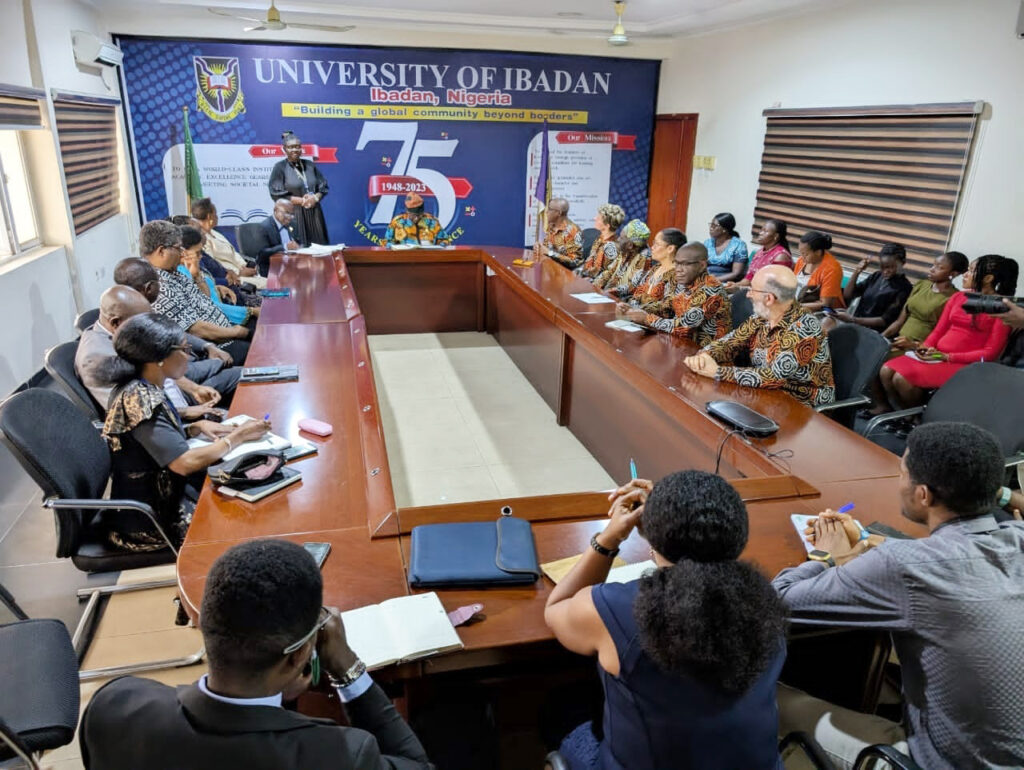
The Strengthening Health Systems Capacity in Africa for Pandemic Equity and Responsiveness (SHARPER) Project featured in a capacity strengthening programme at the University of Ibadan (UI) for approximately 400 newly recruited lecturers. Organized by the Research Management Office (RMO) of the university, the programme was designed to support the professional development and integration of the Early-Career Researchers (ECR) into the university system. It is also a part of efforts to strengthen the institution’s human resource capacity and reinforce its commitment to fulfilling its vision to be a world class institution for academic excellence geared towards meeting societal needs.

To foster effective facilitator-participant interaction, the workshop was delivered to participants in two batches. While the first batch of participants were trained from 4th to 6th May, the second was held between 1st and 3rd June 2026. During these programmes, several key aspects of academic life and institutional practice were covered. The sessions focused on the social responsibilities of academics, the opportunities and challenges associated with scholarship, promotion guidelines, work-life balance, mentorship and career advancement strategies.

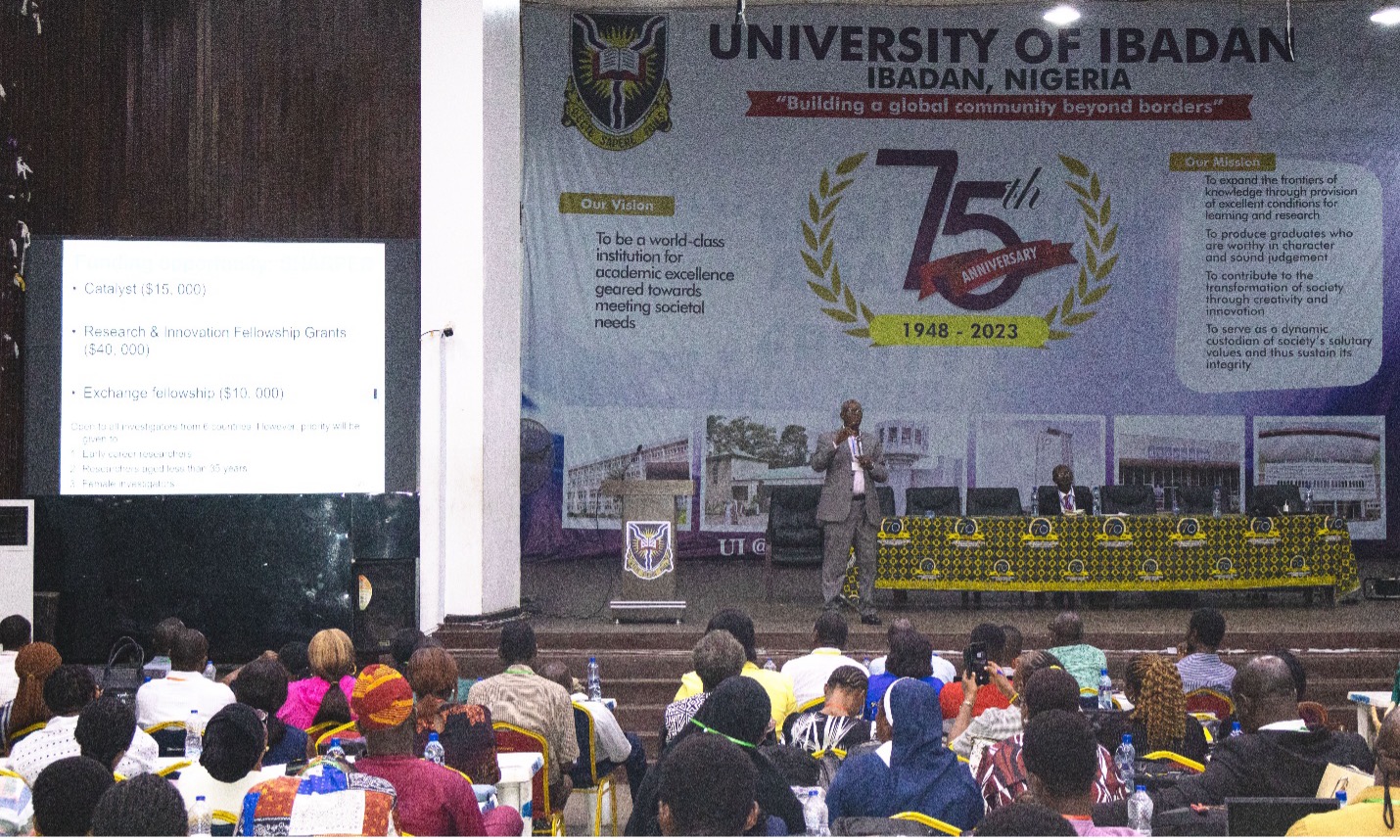
At the training, Prof. Ademola Ajuwon, the  Principal Investigator of the SHARPER Project, delivered an insightful lecture on grant writing and research strategies. He provided participants with practical tips on how to search and win grants, developing competitive proposals, and maintaining ethical and professional standards in research.

Speaking on the importance of research grants in academic career development, Prof. Ajuwon introduced participants to the SHARPER Project and the opportunities it offers for ECR.  He explained that the project is a six-year socio-behavioural science research initiative focused on strengthening health systems capacity, pandemic preparedness and responsiveness, research benefit-sharing, and the promotion of African values in research ethics.

He highlighted that the SHARPER Project would provide three categories of research support annually across its six partner institutions, namely the College of Medicine, University of Ibadan, Nigeria; University of Cape Town, South Africa; Tropical Institute of Community Health, Kenya; Afya na Haki, Uganda; Kamuzu University of Health Sciences, Malawi; and the Cameroon Bioethics Initiative, Cameroon. The University of Ibadan serves as the lead institution for the project.

According to Prof. Ajuwon, the project’s Research Innovation Grants will offer up to $40,000, while the Catalyst Awards will provide up to $15,000 in funding. In addition, the Exchange Fellowships valued at up to $10,000 will be available to support collaborative learning and research exposure across partner institutions. He encouraged the participants to monitor the project’s social media platforms, particularly Facebook and LinkedIn, for upcoming Calls for Applications (CFAs). He also emphasised the project’s commitment to promoting inclusivity and equity in research participation, noting that women and applicants under 35 would receive priority consideration during the selection process.

While specific thematic priorities will be detailed in future calls, Prof. Ajuwon explained that the project’s major research areas include pandemic preparedness and responsiveness, research benefit-sharing, and African-centred approaches to research ethics and governance.

The announcement was enthusiastically received by participants, many of whom described the initiative as a important opportunity to strengthen the capacity of ECR expand access to funding opportunities, and improve female representation in research and global health discourse.

SHARPER is supported by the Africa Pandemic Sciences Collaborative. The Collaborative seeks to mentor, nurture, and equip an emerging generation of young African scientists and researchers to address current and future health challenges, contribute to strengthening the continent’s health ecosystem and pandemic preparedness and response capabilities, and to create pathways to dignified and fulfilling careers in pandemic sciences. The Collaborative is a multi-year partnership between the Science for Africa Foundation (SFA Foundation), the Pandemic Sciences Institute (PSI) at the University of Oxford, and the Mastercard Foundation.

As the training session drew to a close, participants engaged actively in discussions, asking questions, seeking clarification, and sharing reflections on the opportunities presented through the SHARPER Project. The interactive session provided Prof. Ademola Ajuwon with an opportunity to further engage the early-career academics on research development, grant competitiveness, and the broader vision of strengthening African-led research systems.

Going forward, the SHARPER Project remains committed to sustained stakeholder engagement through various communication and knowledge-sharing platforms. These efforts are aimed at ensuring wider visibility for the project, deepening awareness of its objectives, and advancing conversations around research benefit-sharing, pandemic preparedness and responsiveness, and ethical, African-centred approaches to research and global health governance.

Written by Adams Adeshola

Four EPSILON Consortia Launch at UCT to Strengthen Pandemic Preparedness in Africa

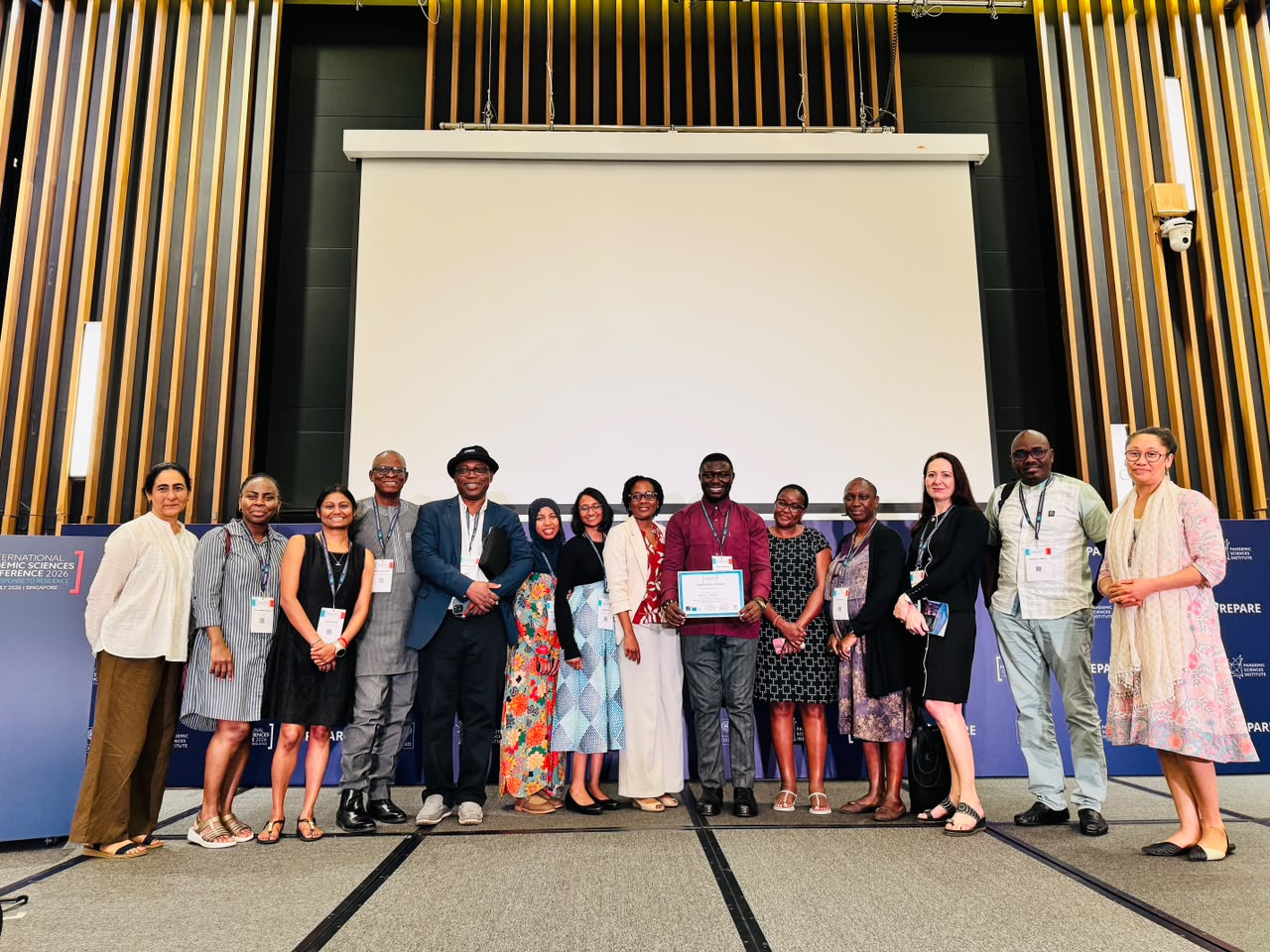
On Thursday, 21 May, the Institute of Infectious Disease and Molecular Medicine (IDM) at the University of Cape Town (UCT), South Africa, hosted the soft launch of four consortia funded by the Africa Pandemic Sciences Collaborative through a partnership between the Science for Africa Foundation, the University of Oxford’s Pandemic Sciences Institute, and Mastercard Foundation. Beyond supporting research, this collaboration also invests in strengthening the pandemic sciences ecosystem across the continent.

In total, seven Epidemic and Pandemic Sciences Innovation and Leadership Networks (EPSILONs) have been funded, each led by African scientists and designed to create a network of excellence in epidemic and pandemic sciences. The launch focused on the four consortia in which UCT is either the lead or a partner institution, spanning 11 African countries: Cameroon, Democratic Republic of the Congo (DRC), Ghana, Kenya, Malawi, Nigeria, Senegal, Tanzania, Uganda, Zimbabwe, and South Africa.

Opening remarks were delivered by Professor Wendy Burgers, Deputy Director of IDM, who reflected on the current lack of outbreak preparedness and the unequal global research landscape. Referring to discussions at the World Health Assembly and ongoing outbreaks such as Ebola in the DRC, she highlighted the need for African-led pandemic science and stronger collaboration across the continent.

Christina Pather from the Research Support Enterprise described the launch as “a step towards a stronger, more equitable and more resilient African research ecosystem”, while celebrating UCT’s participation in four of the seven funded projects and the interdisciplinary collaboration this represents.

The first consortium presented was the Consortium for Leadership of Epidemiological-economic Analysis for epidemic Response in Africa (CLEAR-Africa), led by Professor Sheetal Silal. CLEAR-Africa aims to strengthen preparedness for future pandemics by developing models that consider not only disease transmission and health outcomes, but also the social and economic consequences of public health responses. The consortium seeks to address the current modelling skills gap by training African researchers to lead and adapt epidemiological-economic models locally, ensuring that future outbreak responses are informed by both health and economic realities.

Associate Professor Jinal Bhiman then presented Surveillance Platforms and ImmunoLOgy for zoonotic Viruses with pandemic potential in Africa (SPIL-OVA), a consortium working at the human-animal interface to better understand zoonotic threats. SPIL-OVA focuses on identifying viruses with spillover potential circulating in African bat populations, recognised reservoirs of several emerging infections. Through multiple research work packages, the consortium aims to build knowledge about animal viral diversity, strengthen surveillance systems and support diverse leadership and scientific expertise across the continent.

Strengthening Health systems capacity in Africa for Pandemic Equity and Responsiveness (SHARPER) was presented by Professor Leslie London, representing one of the consortium partners. SHARPER seeks to transform how research is conducted and used in Africa by analysing the current policy and research landscape and identifying opportunities for change. The consortium will develop new tools, courses and academic outputs while placing equity, African values and human rights at the centre of pandemic preparedness and response, so as to ensure health research benefits populations and not only participants.

The final consortium presented was Advancing Capacity for Early Phase Trials for Pandemics and Epidemics in Africa (ACCEPT-Africa), presented by Dr Daniel Kiiza and Professor Paolo Denti. ACCEPT-Africa aims to strengthen early-phase clinical trial infrastructure across the continent, enabling trials, protocol development, and pharmacokinetic analysis to be conducted locally. The consortium also focuses on training researchers and laboratory teams so that future clinical research can be led within Africa and better reflect the populations it seeks to serve.

In their closing remarks, Angie Kerubo Mugisha and Dr Linda Murungi from the Africa Pandemic Sciences Collaborative, highlighted the importance of collaboration and thanked the principal investigators for their commitment to strengthening preparedness for future epidemics and pandemics. They reminded the audience that scientific knowledge should not remain within institutions but should reach communities and create impact at individual, institutional and systemic levels.

The launch concluded with a networking reception, bringing together students, researchers, partners, and consortium members. Earlier in the event, Professor Burgers reminded the audience that “Africa doesn’t lack talent; there has been a structural gap that has prevented the continent from working together.” The EPSILON programme seeks to address this gap by strengthening collaboration, leadership and scientific excellence across Africa.

Written by Elizabet Marti Coma-Cros and appeared HERE originally.  

MosEPIC consortium launches innovative surveillance programme to track emerging pathogens across Africa

Accra, Ghana | 27-29 October 2025

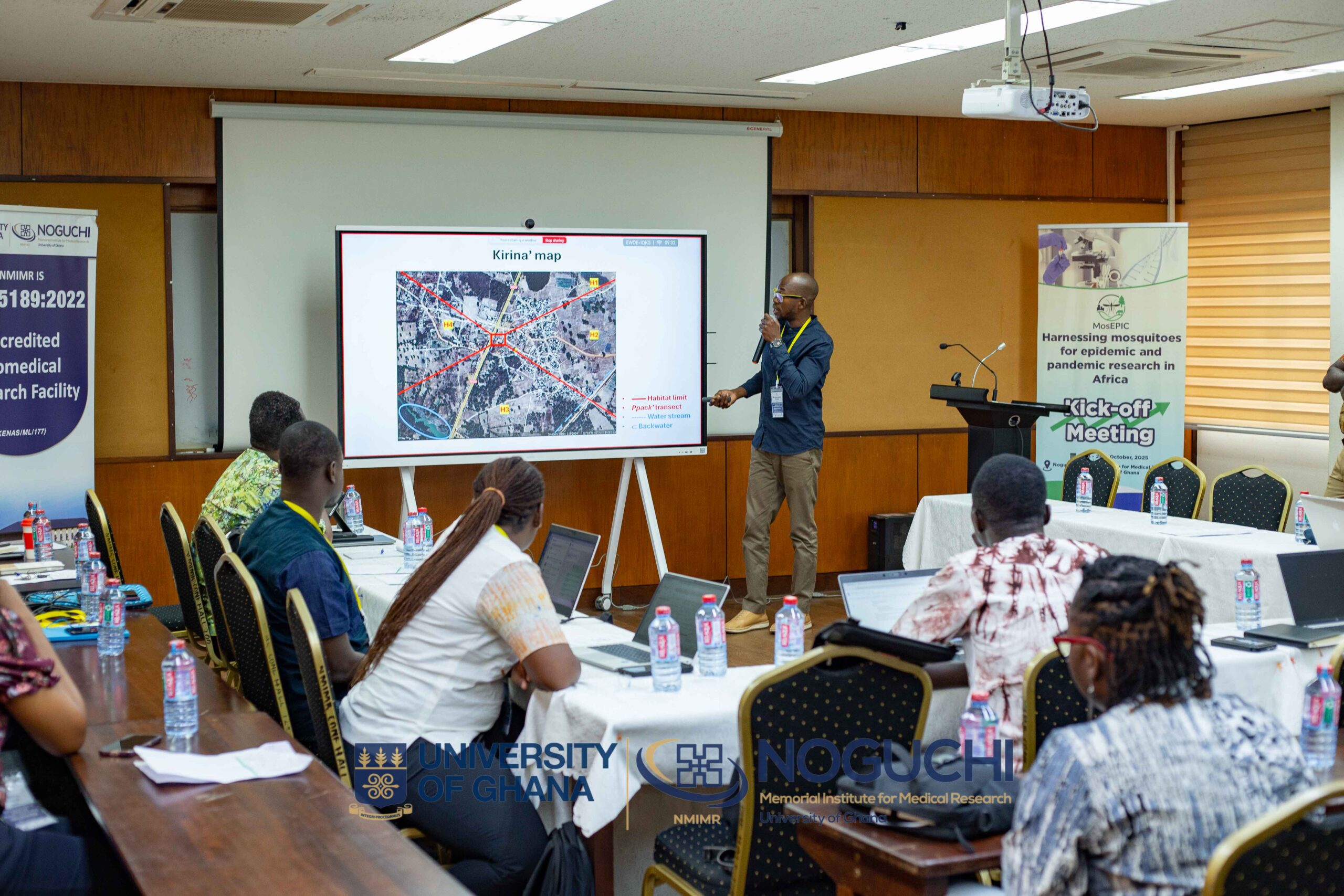
The MosEPIC consortium has officially launched its programme to strengthen epidemic surveillance across Africa by monitoring how pathogens move between humans, animals, and the environment. The initiative introduces a novel approach that uses mosquitoes as natural samplers to detect exposure to a wide range of pathogens across the “urban–rural–forest continuum,” where human activity is rapidly reshaping ecosystems.

The project focuses on three interconnected dimensions—mosquito species, vertebrate hosts, and pathogens—to better understand how environmental change influences connectivity and zoonotic disease risk. Using advanced serological and metagenomic tools, the team will analyse mosquito bloodmeals to detect past exposure to around 20 pathogens with epidemic potential, including Ebola, Lassa, chikungunya, and dengue. Additional fieldwork will examine hotspots such as wildlife reserves, bat caves, and live-animal markets, while high-altitude sampling of windborne mosquitoes will help track long-distance movement of vectors and pathogens.

Speaking at the inception meeting, the consortium lead Dr Abdoulaye Diabaté, highlighted the transformative potential of the approach: “By harnessing mosquitoes as bio-samplers for epidemic surveillance, we will be able to potentially detect up to 20 pathogens. Our research findings will tangibly enable us to strengthen early-warning mechanisms and help authorities take appropriate measures to counter epidemic threats.”

Dr Hamidou Maiga, a Project Officer, underscored the programme’s long-term value: “This project will bring a new generation of young and well-prepared scientists to tackle emerging and re-emerging pathogens in West Africa.”

On the importance of community engagement, Dr Léa Paré emphasised: “We must develop adapted communication tools and translate our key messages into local languages to establish a constructive dialogue. This process is crucial for strengthening community engagement and ensuring a complete understanding of MosEPIC objectives.”

Reflecting on the programme’s capacity-building goals, Dr Nouhoun Traoré, Postdoctoral Scientist, noted: “The MosEPIC project presents a considerable opportunity to mitigate mosquito-borne public health risks. Besides validating a surveillance system, it will build capacity across participating nations by training students and postdoctoral researchers in the early detection of potential vector-borne diseases.”

The consortium begins its work with a shared commitment to generate robust baseline data, improve early-warning systems, and support strategies that can help prevent and mitigate future epidemics across the continent.

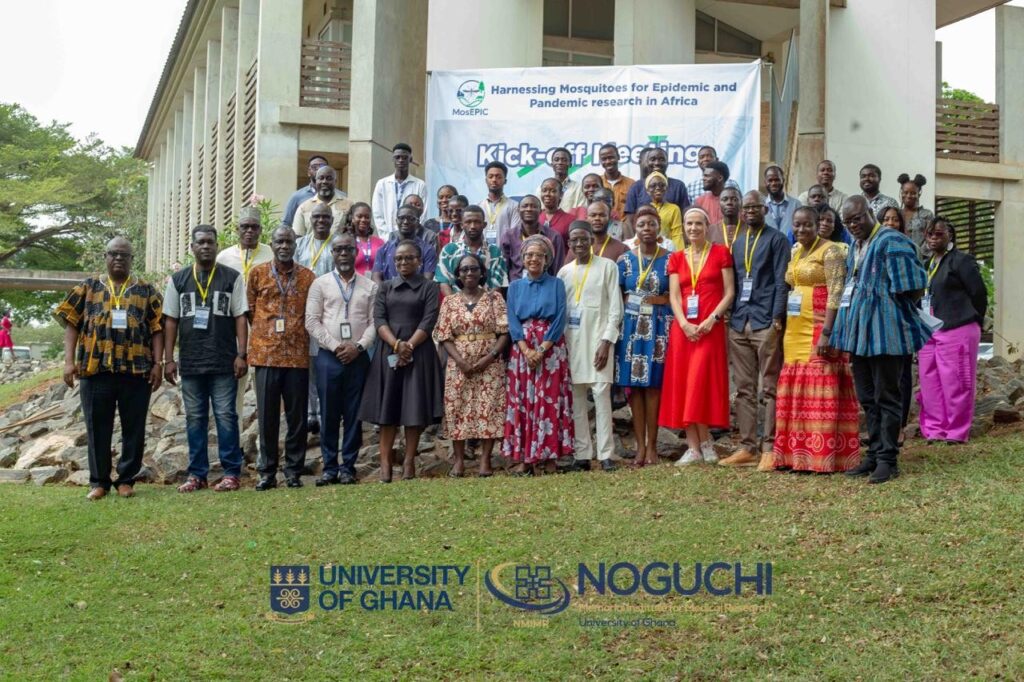
The MOSEPIC consortium team pose for a group photo during their inception meeting in Accra, Ghana.


Listen to Dr Diabaté introducing the MOSPEIC consortium here:


CLEAR-Africa consortium sets direction at inception meeting in South Africa

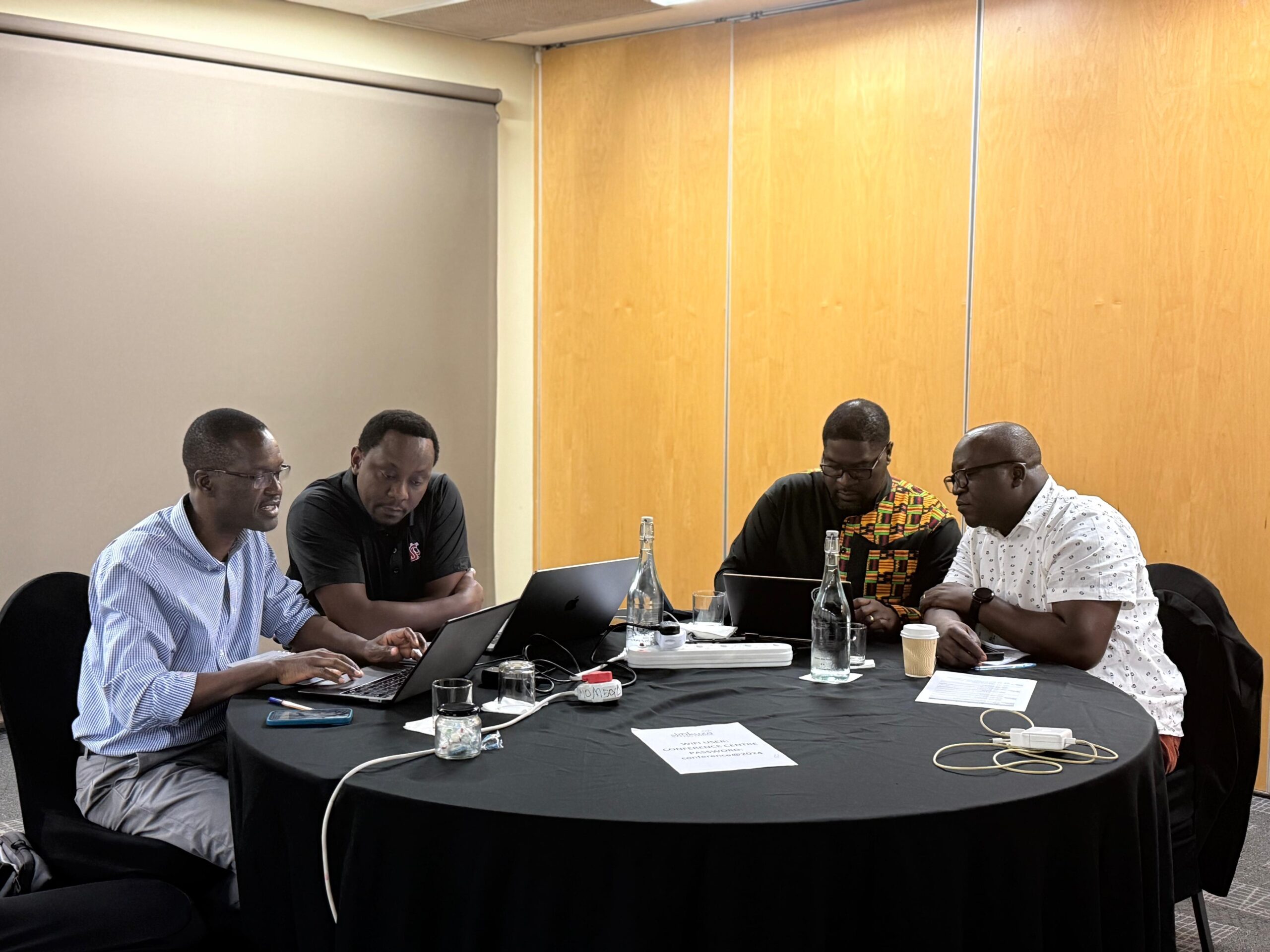
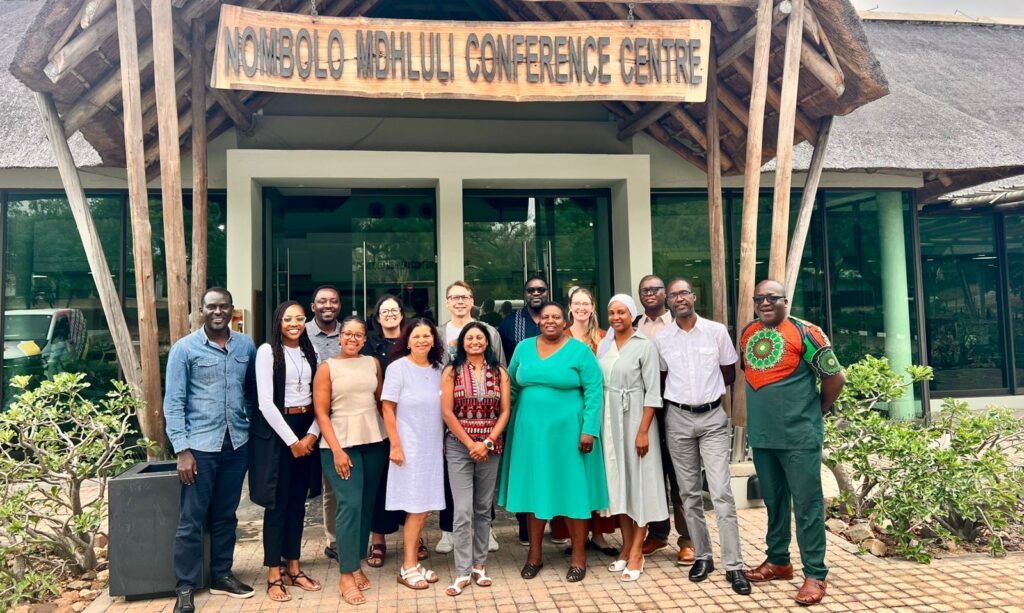
The CLEAR-Africa consortium held its inception meeting from 14–18 October 2025 at Skukuza Safari Lodge in South Africa, bringing together principal investigators and research teams from all six partner institutions. The meeting marked the official launch of a programme aimed at strengthening national and regional resilience by developing epidemiological-economic modelling frameworks to inform evidence-based decision-making.

Over three days of technical and planning sessions, partners established a shared vision, aligned methodologies, and outlined work-plans for the next two years across all work packages.

Day 1 focused on orientation and technical grounding. Teams conducted stakeholder mapping exercises and reviewed approaches to epidemiological and microeconomic modelling, including data needs, contextual differences, and considerations around ethics and data governance.

Day 2 centred on integrating work packages. Participants examined how the modelling components will align and discussed strategies for policy implementation and translation. They also explored capacity-building mechanisms—such as knowledge-translation workshops and consortium awards—and drafted activity schedules for the coming two years.

Day 3 addressed governance, financial management, and communication. Finance officers reviewed reporting guidelines, while governance discussions covered the formation of an advisory board. Partners also clarified communication protocols and expectations, closing with a Q&A session with the SFA team.

The meeting concluded with partners aligned on next steps and equipped with a coordinated plan to advance CLEAR-Africa’s modelling and capacity-building goals across the continent.

CLEAR Africa consortium team pose for a group photo during their inception meeting in South Africa


Listen to Dr Silal introducing the CLEAR Africa consortium here:

SHARPER consortium launches to advance equitable pandemic preparedness and research benefit sharing in Africa

The SHARPER Project, a consortium of six partner institutions in six African countries, was launched to strengthen Africa’s health systems capacity to respond to pandemics in a more equitable and coordinated manner. Central to the project’s mission is improving how research benefits are shared with African communities, ensuring that populations participating in or affected by health research can access knowledge, innovations, and health system improvements that emerge from scientific work.

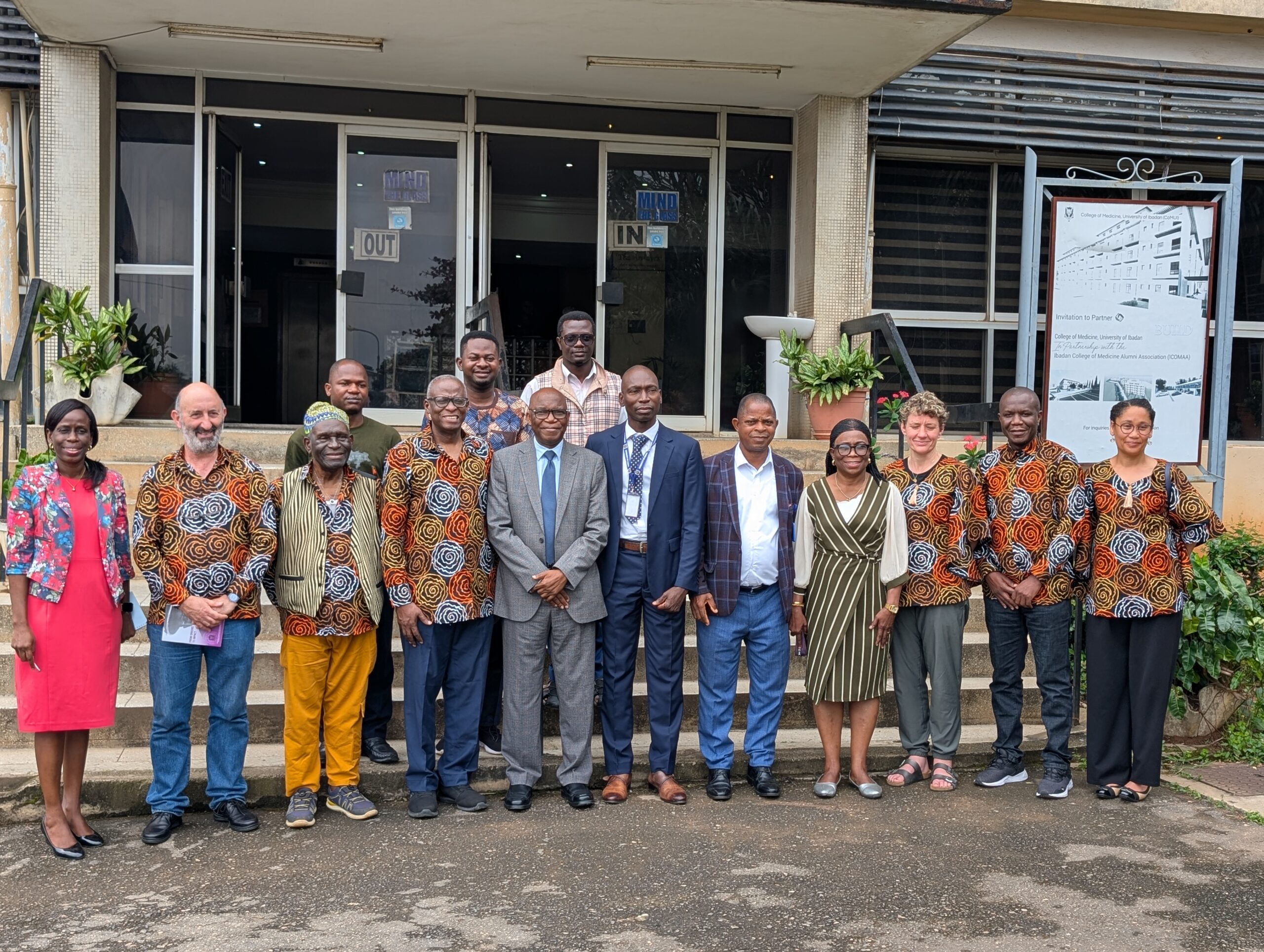
Thus, the inception meeting that was held in September 2025 at the University of Ibadan, the lead institution in Nigeria, gave representatives from the partner institutions an opportunity to develop the governance structure, research priorities, and operational strategies that will guide the consortium’s activities in the coming years.

While introducing the project to the management team of the University of Ibadan, the Principal Investigator, Prof Ademola Ajuwon reflected on the values of SHARPER, emphasising that, “in addition to its research activities, SHARPER will support early-career researchers through several targeted initiatives, such as Catalyst Grants to stimulate innovative research ideas, Research and Innovation Fellowships designed to build advanced research skills, Exchange Awards that enable cross-institutional collaboration and learning, and Short Courses aimed at strengthening competencies in pandemic research, policy engagement, and knowledge translation.”

Speaking further, Prof Leslie London, the Lead PI from the University of Cape Town, added that “these initiatives are intended to expand the pipeline of African researchers capable of leading interdisciplinary work on pandemic preparedness, benefit sharing, and health systems resilience.”

Ultimately, SHARPER aims to translate research output into practical policies, stronger research institutions, and more inclusive research practices that ensure communities benefit from scientific progress. Through sustained collaboration and investment in capacity development, the consortium aims to contribute to a more equitable and responsive framework for pandemic preparedness across Africa.

Article by: Adams Adeshola | [email protected] 

SHARPER project launched and convened researchers at an inception meeting in Nigeria, to align strategies for strengthening Africa’s capacity for equitable and responsive pandemic preparedness, with a strong emphasis on improving research benefit sharing for African communities and expanding opportunities for early-career researchers.
up-arrow white-up-arrow