Annual Cross-Site Meeting: Reflecting, Strategising, and Strengthening Collaboration
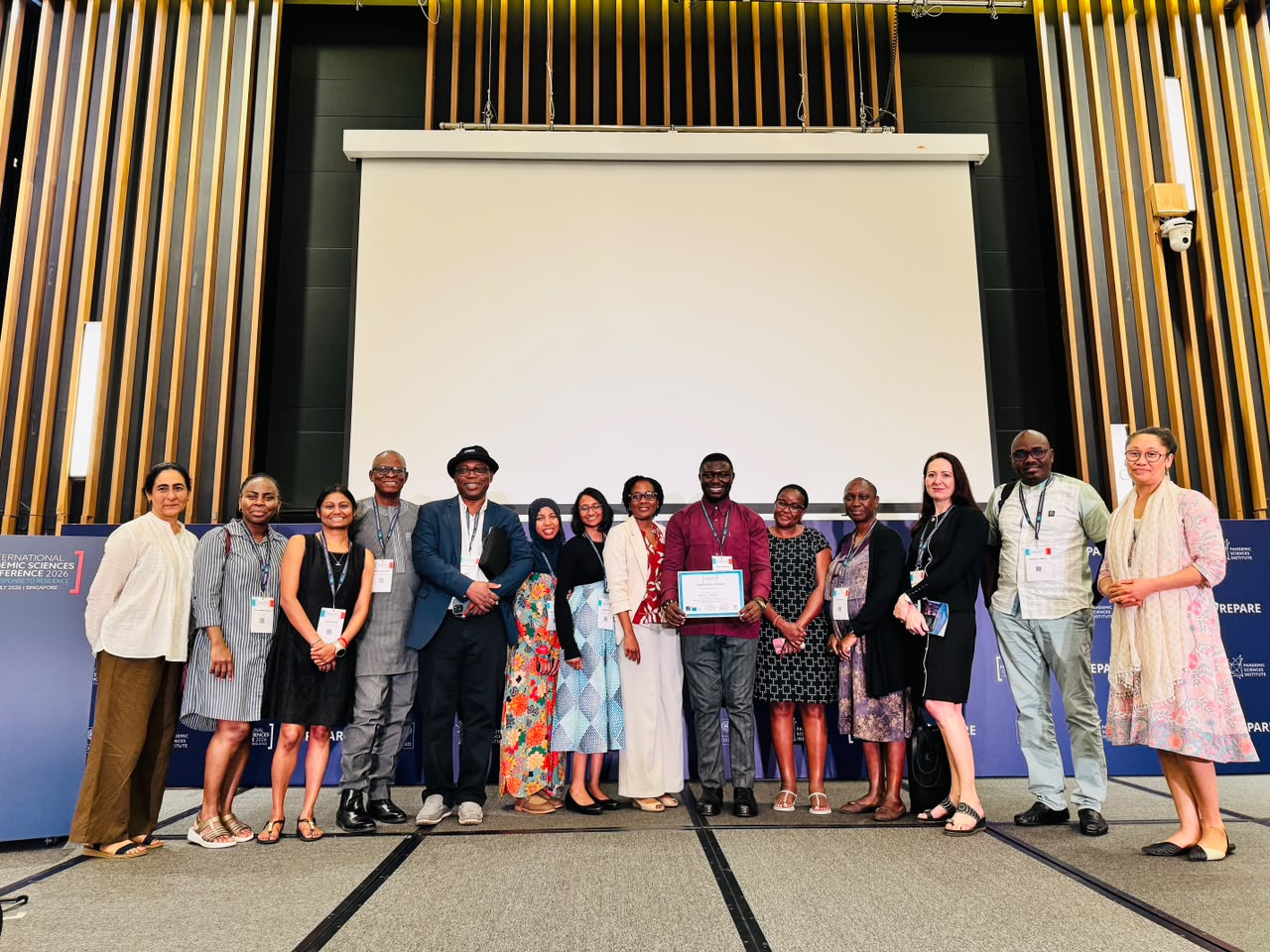
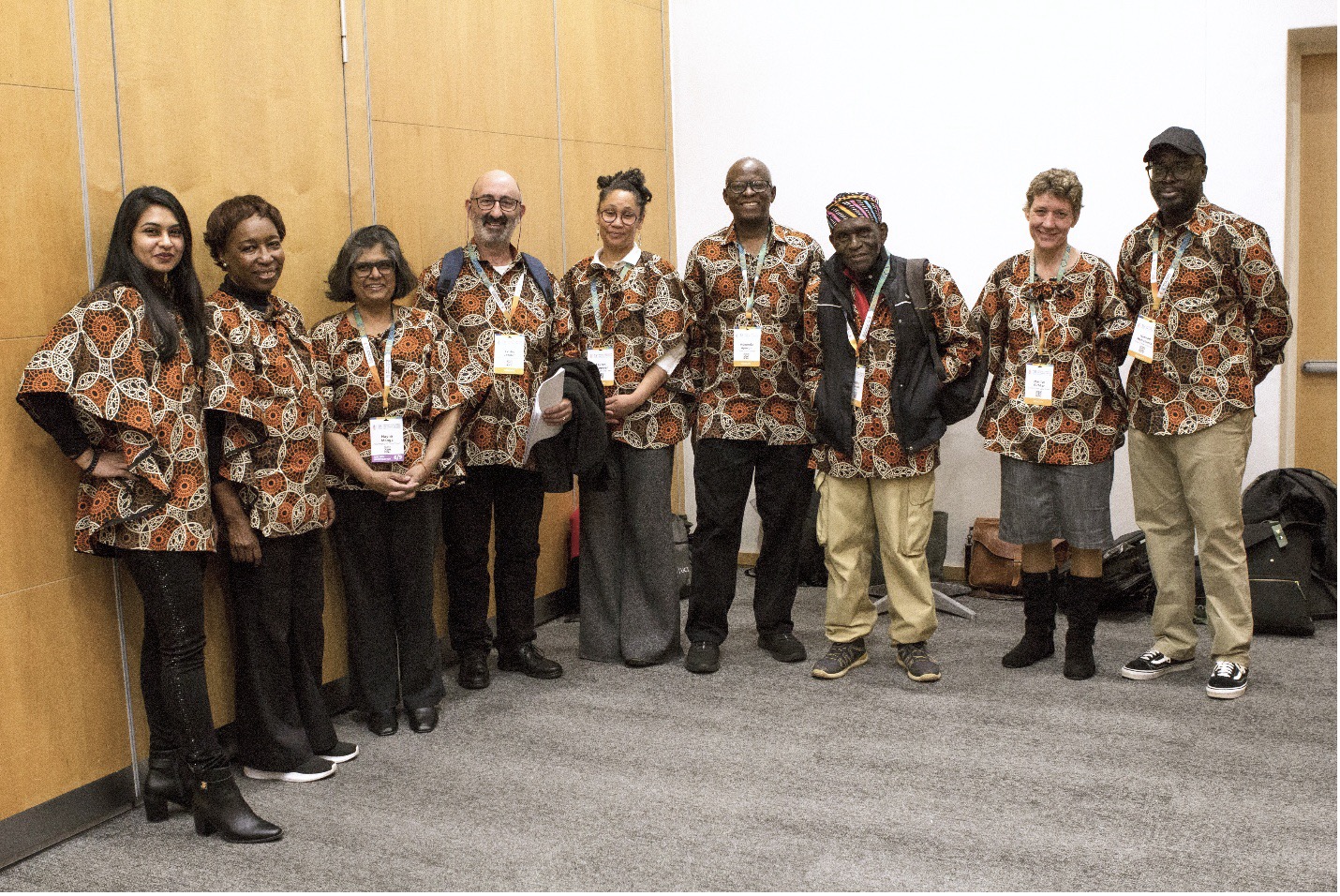
From 10th to 12th September 2026, the SHARPER Project team convened at the University of Cape Town for its annual cross-site meeting, bringing together ten researchers and partners from across participating institutions to review progress, reflect on achievements, and strategically plan priorities for the year ahead.
The meeting provided an important platform for partners to assess ongoing activities across project sites, share experiences, discuss emerging challenges, and strengthen collaboration towards achieving SHARPER’s objectives of advancing ethical, rights-based, and population-focused approaches to health research.
Through constructive discussions and strategic planning sessions, the team reviewed implementation progress, identified opportunities for strengthening cross-site learning, and aligned future activities to ensure continued impact across research, policy, and practice. The meeting reinforced the value of collaborative approaches in addressing complex public health challenges and promoting research systems that prioritise ethics, equity, and meaningful benefits for populations.
Before the meeting, the SHARPER team participated in the World Congress on Public Health held between September 6-9, 2026, at the Cape Town International Convention Center, where the team contributed to global conversations on strengthening ethical and equitable approaches to health research.
Interactive Workshop and Role-Play, titled: If We Really Want Pandemic Preparedness, We Must Ensure Equity and Justice – The Role of Ethics Committees and Researchers in Promoting Population Benefits from Health Research
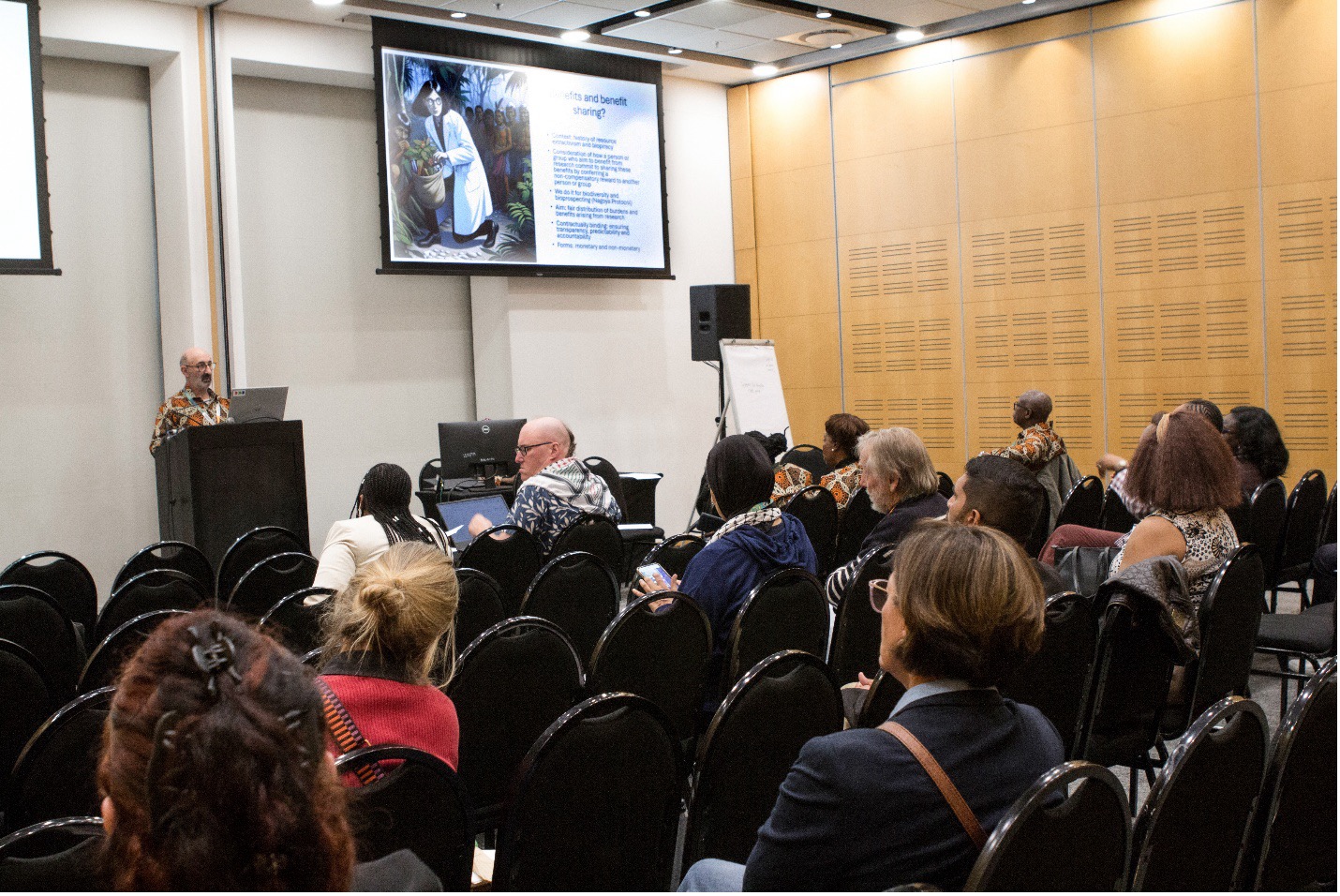
On 6th September 2026, at the 2026 World Congress on Public Health held in Cape Town, SHARPER Project organised an interactive workshop exploring the responsibilities of researchers, ethics committees, and health research stakeholders in ensuring that research generates meaningful benefits for populations.
The workshop brought together the expertise and leadership of SHARPER investigators and partners from different African institutions and public health networks, including representatives from the University of Cape Town, South Africa; University of Ibadan, Nigeria; Cameroon Bioethics Initiative, Cameroon; Tropical Institute for Community Health, Kenya; Kamuzu University, Malawi; and Afya na Haki, Uganda.
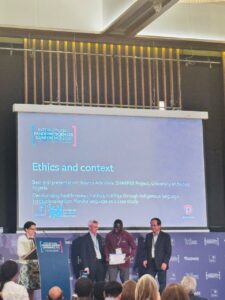
A central feature of the workshop was a mock Research Ethics Committee (REC) meeting through role-play involving the ethical review of a proposed artificial intelligence (AI)-guided diagnostic study for cardiomyopathy. The role-play simulated an ethics committee review process, allowing participants to identify practical ethical challenges related to AI-driven health research, conflicts of interest, technology ownership, and equitable access to research benefits.
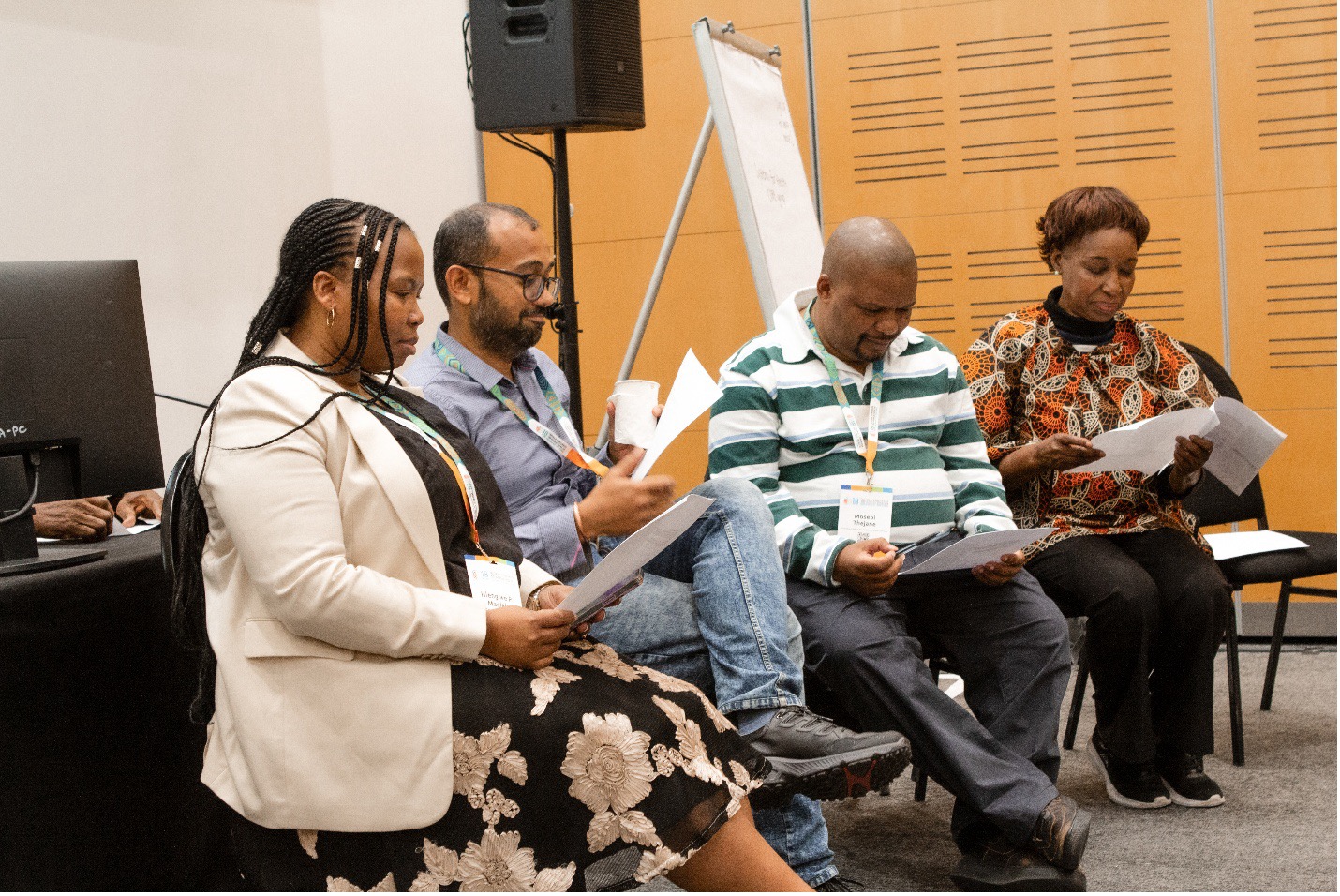
The role-play involved a simulated REC meeting consisting of a chair, a committee member presenting the research protocol, an additional committee member raising ethical concerns, and audience volunteers participating as REC members. Through this approach, participants were encouraged to critically examine how ethics committees assess not only scientific validity and participant protection but also broader questions of justice and benefit sharing.
During the discussion, participants explored whether researchers and sponsors have responsibilities beyond conducting scientifically valid studies, particularly regarding access to successful interventions after research completion. The session examined the importance of developing proactive plans to ensure that communities contributing to research are not excluded from benefiting from resulting innovations.
Following the role-play, participants reflected on the ethical issues raised through an interactive audience engagement exercise using Mentimeter. Discussions focused on questions including whether participants were treated fairly, whether the research adequately addressed population benefits, and whether the protocol sufficiently considered equitable benefit sharing.
The lessons from the workshop reinforced the importance of integrating equity, justice, and accountability into health research governance. Participants reflected on how ethics committees can play a stronger role in ensuring that research conducted in African contexts contributes to sustainable health improvements and meaningful benefits for African populations.
Poster Presentation: Why Ethics, Human Rights, and Population Benefits Matter
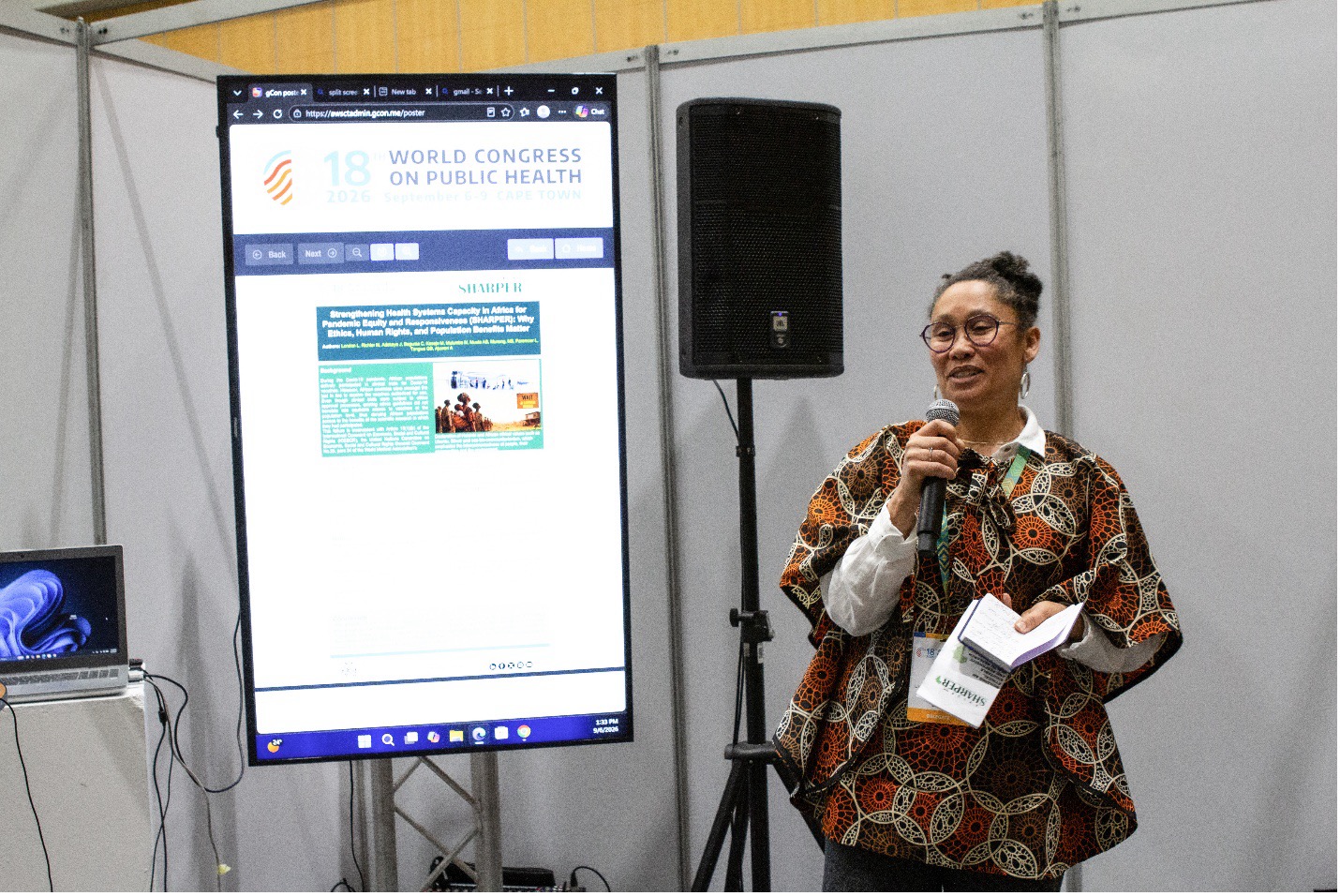
Following the workshop, the SHARPER Project presented a poster exploring the critical importance of ethics, human rights, and population benefits in shaping responsible health research.
The presentation highlighted the need to move beyond traditional approaches to research ethics that primarily focus on protecting individual participants, towards broader considerations of justice, equity, accountability, and the fair distribution of benefits arising from research. The presentation emphasised that public health research should not only generate scientific knowledge but also contribute meaningfully to improving the wellbeing of populations, particularly communities that participate in research and contribute to the advancement of health innovations.
Ultimately, SHARPER Project’s activities at the World Congress on Public Health highlighted three important messages. Firstly, ethical health research must consider not only how research is conducted, but also who benefits from its outcomes. Secondly, human rights and equity must remain central to decisions about research design, governance, and implementation. Lastly, researchers, ethics committees, governments, regulating agencies and communities share responsibility for ensuring that health innovations translate into population benefits.
Cocktail at the University of Cape Town Leadership
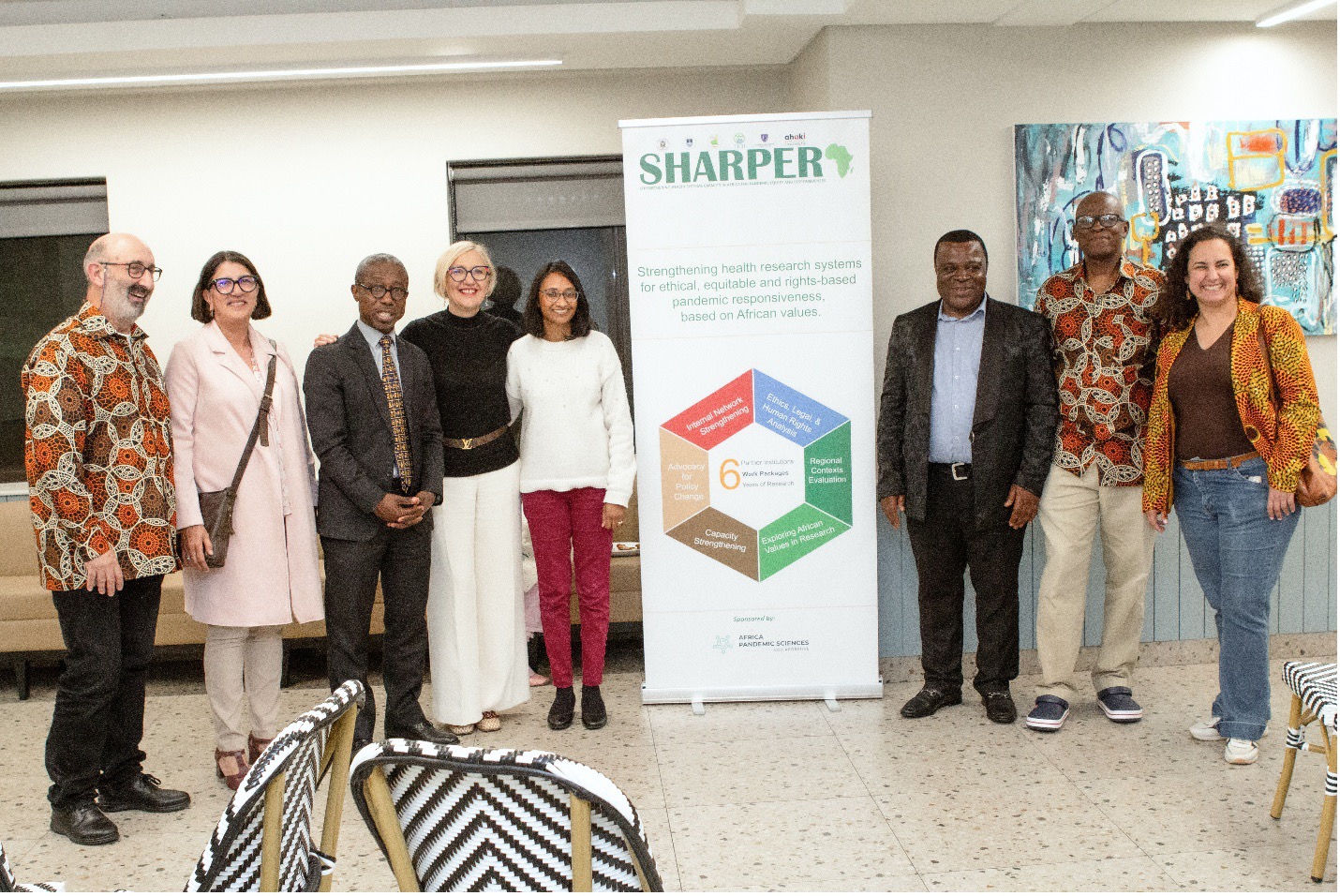
SHARPER Project is being implemented with the support of the Africa Pandemic Sciences Collaborative, a multi-year partnership between the Science for Africa Foundation, the Pandemic Sciences Institute at the University of Oxford, and the Mastercard Foundation.
Follow the SHARPER Project social media channels for updates on engagements focused on ensuring that health research delivers meaningful benefits for populations.
Written by Adams Adeshola, Communications Officer, SHARPER Project.