Call for Applications – iPEP 2.0 Individual Policy Exchange Programme (June 2026 – June 2027 Cohort)

Background

The Africa Pandemic Sciences Collaborative seeks to nurture and equip the emerging generation of young African scientists and researchers to address current and future health challenges, contribute to strengthening the continent’s health ecosystem and pandemic preparedness and response capabilities, and to create pathways to dignified and fulfilling careers in pandemic sciences. A thriving research ecosystem in Africa will be essential for achieving this goal and retaining a critical mass of high-calibre young scientists across the continent, ensuring knowledge continuity between generations of researchers.

The Individual Policy Exchange Programme (iPEP) fellowship is an initiative of the Africa Pandemic Sciences Collaborative that seeks to enhance the adoption of evidence from science into policy by promoting cross-working of young researchers and policymakers from institutions across Africa that are engaged in the complete range of epidemic and pandemic-related research.

Through iPEP, we aim to:

  • Advance and nurture professional relationships between pandemic researchers and policymakers in Africa, with a particular emphasis upon the emerging generation of African science leaders
  • Build cross-sectoral collaborations and synergies for translating pandemic research into policy in Africa
  • Catalyse the exchange of people and ideas to strengthen African regional institutions involved with pandemic prevention, preparedness and response

Following the success of the first cohort of iPEP fellows in 2024-2025, we are opening this call to give opportunities to more early- or mid-career researchers to benefit from this fellowship.

Eligibility

Eligible applicants must:

  1. Be citizens of African countries
  2. Complete their applications in English
  3. Be students or researchers affiliated with EPSILONs based in Africa
  4. Be early- or mid-career researchers, defined as master’s, PhD students and postdoctoral researchers (or their equivalents)
  5. Be engaged in pandemic sciences research
  6. The submitted concept notes must align with the predefined policy topics outlined in the application guidelines (link)
  7. Submit a complete, signed and stamped letter of support from your respective EPSILON PI or co-PI. The letter should confirm institutional support and the applicant’s availability to participate in all iPEP fellowship activities

Application Process

All applications to this call should be done through Science for Africa Foundation’s grants management system. Applicants submitting the application MUST fully meet the eligibility criteria.

  1. All applications must be submitted through the SFA Foundation’s Agaseke online system. Click here to access the online application portal.
  2. Applicants must ensure they validate and submit their applications.
  3. The grants management system automatically sends you an email notification once you have submitted your application.
  4. Applications submitted through email or via any other means shall be deemed ineligible.
  5. Applications must be submitted in English.
  6. The form includes a standard template for the relevant applicant’s qualifications and experience.
  7. Applicants must upload letters of support signed and stamped by the consortium’s lead or research leads.

Policy Topics – Prioritisation and Eligibility

All current host institutions have been pre-engaged to identify and prioritise pandemic policy–related topics for this fellowship. Click this link to access the list of predefined policy topics and the corresponding expected policy outputs.

As part of your application:

  1. Rank the topics from the most preferred to the least preferred topic
  2. Develop a short concept note (not exceeding 350 words) on their most preferred topic.

Award Period

June 2026 – June 2027


Award Process and Timelines

  • Call for applications opens: 16 February 2026 (1700hrs EAT)
  • Webinar for prospective applicants (English): 26 February 2026 (1500hrs EAT)
  • Webinar for prospective applicants: (French Speaking) 10 March 2026 (1500hrs EAT)
  • Webinar for prospective applicants: 12 March 2026 (1500hrs EAT)
  • Deadline for applications: 20 March 2026 (1700hrs EAT)
  • Administrative review concludes: 29 April 2026
  • Final selection: 7 May 2026
  • Award Communication to final selected fellows: 12 May 2026
  • Onboarding engagement: 02 June 2026
  • Award start date: 02 June 2026
  • Commencement of iPEP 2.0 activities: June 2026 – June 2027

iPEP webinar for prospective applicants

The Science for Africa Foundation (SFA Foundation) will host a Q&A webinar for the iPEP call for applications on 26 February 2026 at 1500 hrs EAT, 10 March 2026 at 1500 hrs EAT, and 12 March 2026 at 1500 hrs EAT.

Prospective applicants are invited to register for the webinar using the following links:

  1. 26 February 2026 – 1500hrs EAT [English] (Register here)
  2. 10 March 2026 – 1500hrs EAT [French] (Register here)
  3. 12 March 2026 – 1500hrs EAT [English] (Register here)

Kindly register based on your preferred language and time.

Applications review process

Eligibility checks (Triage)

Applications will be assessed for eligibility by a pre-assessment and shortlisting team from SFA Foundation.

Triage review criteria
  1. Application must cover a concept note of the most preferred policy topic
  2. Application must be completed in English
  3. Applicant must be clearly associated with EPSILONs and early career researchers (Masters, PhD, Post-Doctoral fellow)
  4. Submit a complete letter of support from their institution, signed and stamped by their respective EPSILON’s PI or co-PI. The letter should confirm institutional support and the applicant’s availability to participate in all iPEP fellowship activities.
Technical review criteria

Each application that goes through the triage phase successfully will be reviewed for technical merit scored by two independent reviewers.

The assessment criteria will be based on:

  1. Merit of the applicant
  2. Quality of Proposed Policy Concept
  3. Capacity Building Potential
  4. Equity and Representation Factors
  5. Ethical and Risk Considerations
Applicant matching to host institutions

A selection committee comprised of members from the host institution will determine the final list of fellows and their respective host institution placements. The matching process will be guided by both merit and diversity principles to ensure a balanced and inclusive cohort.

Key factors to be considered include:

  • Geographical representation
  • Gender balance
  • Fellowship level (early- or mid-career)
  • Alignment of topic areas

Final awards

In this phase, up to eight (8) awards will be made.

Selected applicants will undergo a KYC check using the Dow Jones before receiving their award letters.

There will be a two-week residential exchange between the host institution and the researcher’s institution. An iPEP research fellow will visit their designated policy host institution, and in return, an iPEP fellow from the policy host institution will visit the researcher’s institution. After this exchange, iPEP fellows will continue collaborating virtually for one year.

The SFA Foundation will cover the expenses related to travel and accommodation as defined below:

  1. Travel Costs: Round-trip economy class airfare to and from your destination and return airport transfer in the country of visit.
  2. Visa and Related Costs: Reimbursement for visa application fees and other associated travel documentation costs
  3. Accommodation: Bed and breakfast accommodation for the duration of your two-week stay
  4. Stipend: A non-accountable stipend of $1,050 to cover incidental expenses, including meals, local transportation, and other personal costs during your stay.

Communication

All queries or comments about this call should be addressed to: [email protected]

Please note that due to our working hours, we will be responding to enquiries from Monday – Friday 0800 hrs – 1700 hrs EAT until the call ends.
Download the full request for proposal via the links below:

Click here to apply

I Am a Scientist First, Then a Female Scientist

“I was just curious to see what happens in the human body.”

That simple, relentless curiosity set Dr Christine Sekaggya-Wiltshire on a remarkable journey – from a holiday conversation with her uncle to medical school, from internal medicine to a PhD, and from patient care to leading a multi-country scientific research consortium.

Along the way, she confronted doubt, stereotypes, and quiet expectations. Yet she never wavered in her belief that competence should speak louder than gender.

This is her story.

Q: Who is Dr. Christine Sekaggya?
I am a clinician and a scientist – a research scientist, currently working at Uganda’s National Referral Hospital as a physician in haematology. I am also a research scientist at the Makerere University’s Infectious Diseases Institute.

My research has largely focused on HIV and tuberculosis, and I have conducted clinical trials on related drugs. I am deeply excited by academia, but I also love treating patients.

I am married and have six children. When I am not at work, I am with my children, and spending time with them brings me great joy. I also love movies, traveling and visiting new places.

Q: How did your journey into science begin?
At first, I wanted to be like my mother. She was a businesswoman and a lawyer. But when I realised, I would have to study history to pursue law, I thought, maybe not. I liked stories, but I didn’t enjoy being told to memorise and retell them in exams.

I had an uncle living in Nairobi who was both a doctor and a scientist. When I was about 15, I spent my school holiday with him, and he noticed that I was doing well in sciences.

That holiday changed everything. I returned from Kenya saying, “I’m going to do medicine.”

I don’t even remember exactly what he told me. I just knew I had decided to pursue science. Partly, I was avoiding arts subjects. But I was also genuinely curious. I used to tell my mother, “I just want to see what happens in the human body.”

Q: What shaped your journey through medical school and beyond?
Medical school was hard. I failed one of my first tests and quickly realized that what they teach you in class is only a tiny fraction of what you need. You must read the entire textbook.

At first, I wanted to be a surgeon. I liked the feeling of fixing things. But the late nights made me realize it was not compatible with the family life I wanted. Therefore, I chose internal medicine.

During my master’s degree, I used to say I would never do a PhD. But in my third year, I felt a strong urge to pursue one. On the day of my master’s defence, someone told me, “Christine, just get a PhD. No one is going to care what it is in. Just get one.”

At the same time, my department needed haematology specialists. So, I took on that role while starting my PhD in TB drug pharmacokinetics and later training in haematology.

Q: How did you balance science and motherhood?

It is hectic.

One of my professors once told me, “You have to learn to juggle your glass balls.” Children, home, books, patient care, research – they all felt like glass balls.

I received a lot of support from my husband and my mother. I remember expressing breast milk in the postgraduate room between lectures. Everyone could hear the machine. I would drop my baby at my uncle’s house, go to work, return at lunchtime, and then go back again in the evening.

That family support allowed me to thrive.

When there were doubts about my ability to complete my PhD because I had young children, it made me more resilient. Knowing that people were questioning me pushed me to prove that I could do it.

Q: What barriers still exist for women in science?
Sometimes, we do not have a strong go-getter mentality, or we express it more subtly. We hesitate to market ourselves. We downplay our achievements. We do not negotiate salaries as well as men.

We often see many women in middle management and very few at the top. Institutions may have policies that treat everyone equally, but mindsets still matter.

Someone may assume that a man can travel 18 days a month without interruption, while a woman may need to return home. Those assumptions influence decisions.

Q: Are there subtle expectations placed on women in professional spaces?
If there is an event at your organisation, when it comes to organizing food or registration,  it is almost always the women. How many times do people ask men to stand up and check if everyone has eaten? Usually, they ask a woman.

The stereotype of what a woman does at home follows her into the workplace.

We do not have to be the ones to serve and handle the “soft” tasks at work. We should be able to make difficult decisions and contribute to strategy just like men.

When we are sitting around a boardroom table, people should see me as a scientist first, and then as a female scientist. Gender can come later. See me first as a scientist.

Q: Why does women’s leadership in science matter?
If we do not break these barriers now, our children will face the same ones.

Women bring a unique perspective to leadership and decision-making. We often look beyond stereotypes and see the human side. Not necessarily in a motherly way, but in a holistic way.

The organisation and awareness we develop at home can translate into the workplace. Equity and gender balance is important in all sectors.

I have been a doctor for 20 years. Currently, I am leading a consortium supported by the Africa Pandemic Sciences Collaborative as the Principal Investigator, and I also serve as Assistant Clinical Head in the Department of Internal Medicine at Makerere University. My work involves collaboration across countries, capacity building, teaching and mentoring.

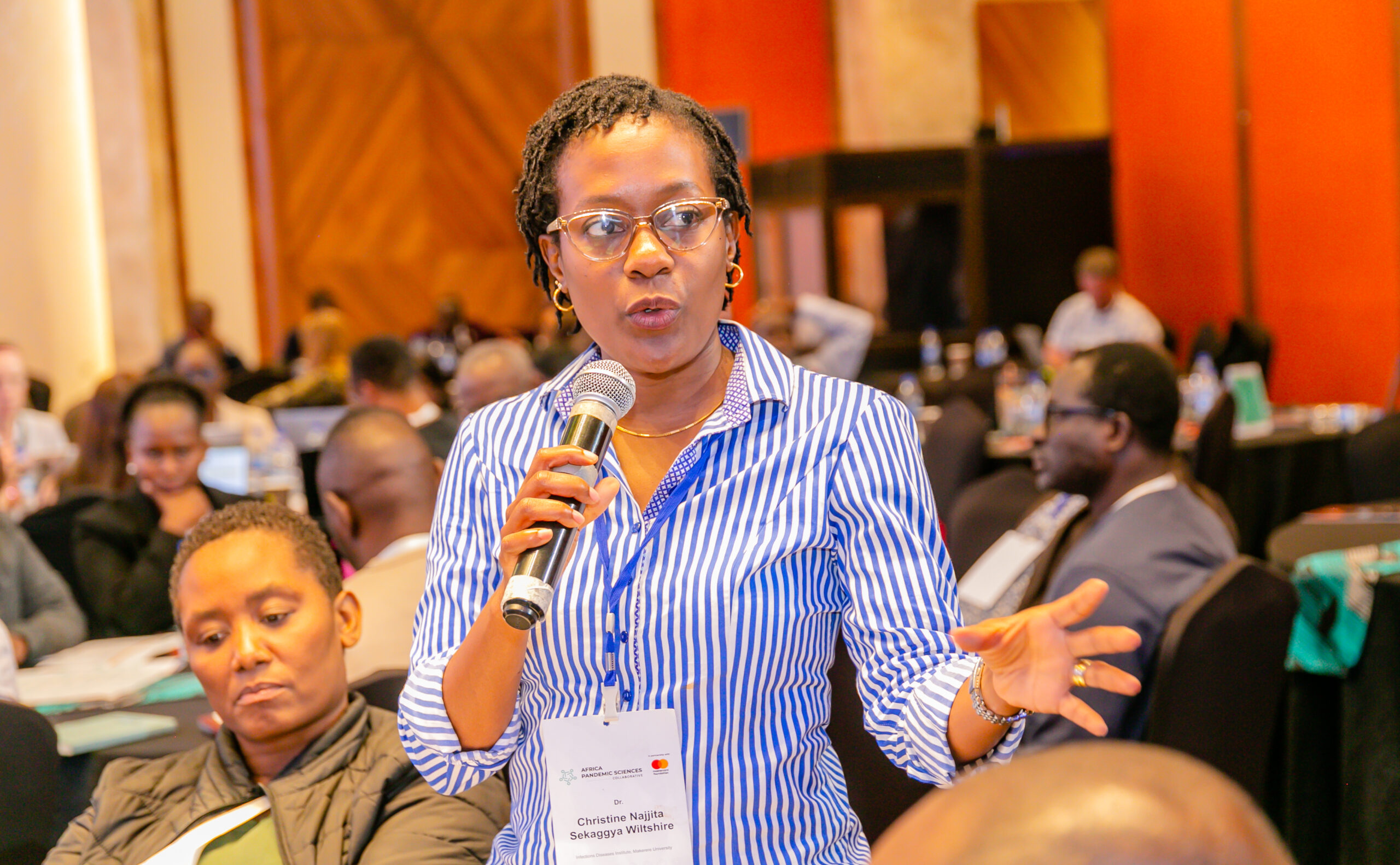
Dr Christine Sekaggya and posing for a photo with her consortium partners
Dr Christine Sekaggya-Wiltshire leads the ACCEPT-Africa consortium under the Africa Pandemic Sciences Collaborative

Q: What promise should society make to girls who dream of being scientists?
Make room for women – and consider everything they come with.

We want to be seen as scientists first. But in the background, there is more that we carry, and that should be acknowledged.

We need to speak up about our abilities. We need to negotiate better terms and conditions. We should not have to choose between career and family.

Why should we choose?

We can have both.


Story by: Alex Kandie and Emmanuel Kimaru

MEAL leads convene to strengthen alignment across the Collaborative

24-27 November 2025 | Lagos, Nigeria

The Africa Pandemic Sciences Collaborative exists to strengthen Africa’s capacity for pandemic preparedness through evidence-driven decision-making, strong institutions, and learning systems that respond to context. This was a central message highlighted over four days of a workshop that recently took place in Lagos, Nigeria.

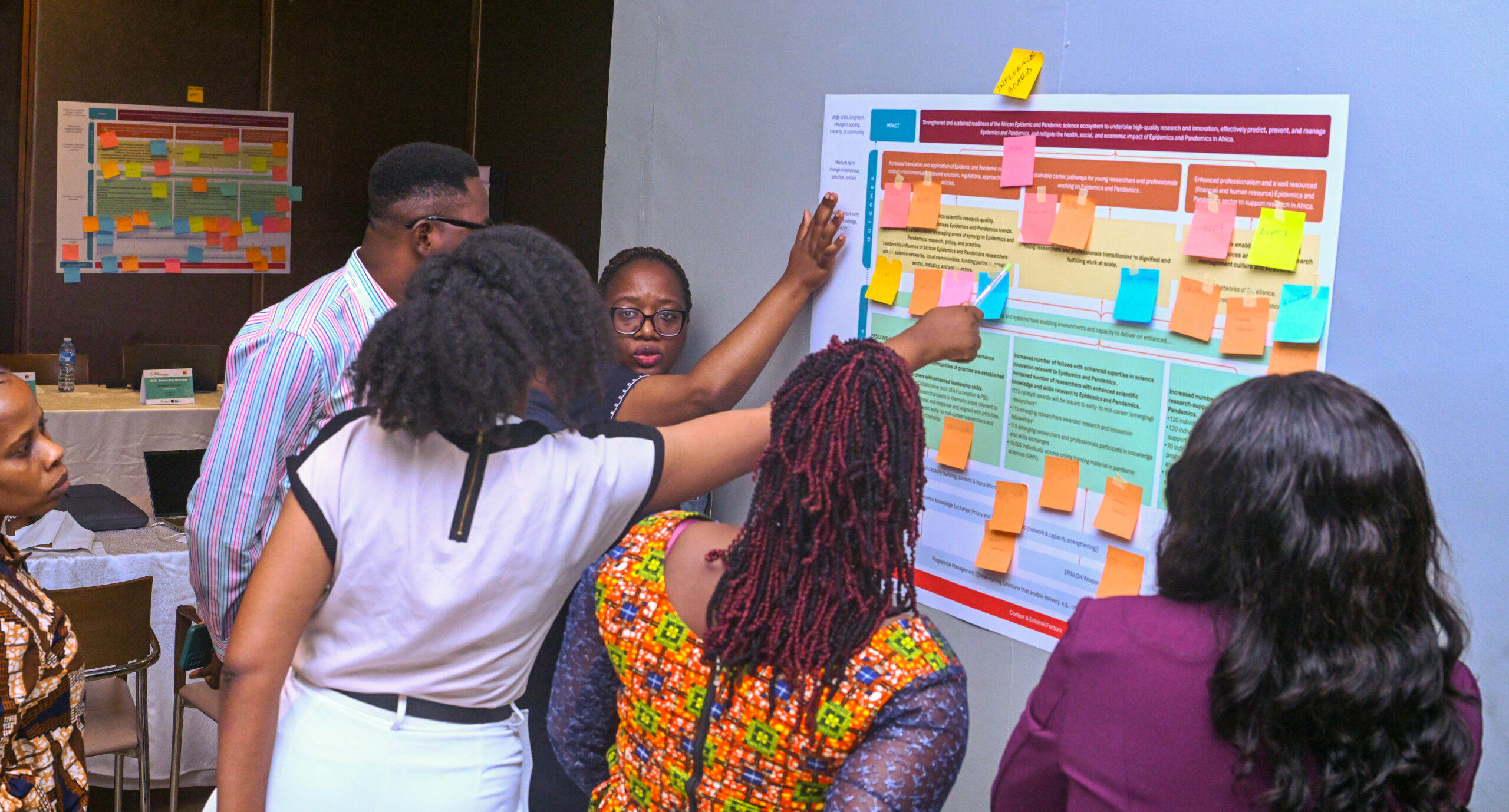
Monitoring, Evaluation, Accountability and Learning (MEAL) leads from all seven EPSILON consortia met in Lagos for a four-day onboarding workshop aimed at strengthening alignment, sharpening shared understanding, and establishing a unified approach to monitoring, evaluation, accountability and learning across the Collaborative.

Co-hosted by SHARPER and SPIL-OVA consortia based at the University of Ibadan and Redeemer’s University respectively, the workshop brought together programme managers, workstream leads, and partners from Mastercard Foundation, SFA Foundation, the Pandemic Sciences Institute and a representative from the Africa Oxford Initiative.


The importance of MEAL to the Collaborative

The University of Ibadan’s College of Medicine Provost, Professor Temidayo O. Ogundiran officially welcomed participants to Lagos and delivered the keynote address at the workshop. In his speech, he highlighted the significance of the MEAL function to the success of the Collaborative’s work.

“I am informed that this onboarding workshop has been carefully put together to strengthen all seven EPSILONs and to equip you with the necessary tools and frameworks to track progress, document results, and define learning, plus engage other stakeholders meaningfully. A robust MEAL system is needed to ensure that interventions are timely, decisions are evidenced correctly, progress is measured, and our impact is sustained – it should be rooted in transparency, excellence and shared commitment to deliver on the goals of the Collaborative”, Prof. Ogundiran remarked.

Carol Nuga, Director of Impact at the Mastercard Foundation, highlighted the evolution of the Foundation’s work – from individual scholarships to institutional strengthening, workforce development, and network-building to increase social capital to achieve our shared goals. She emphasised that MEAL is central to realising impact, influencing ecosystems, and ensuring young people benefit from dignified and fulfilling career pathways.

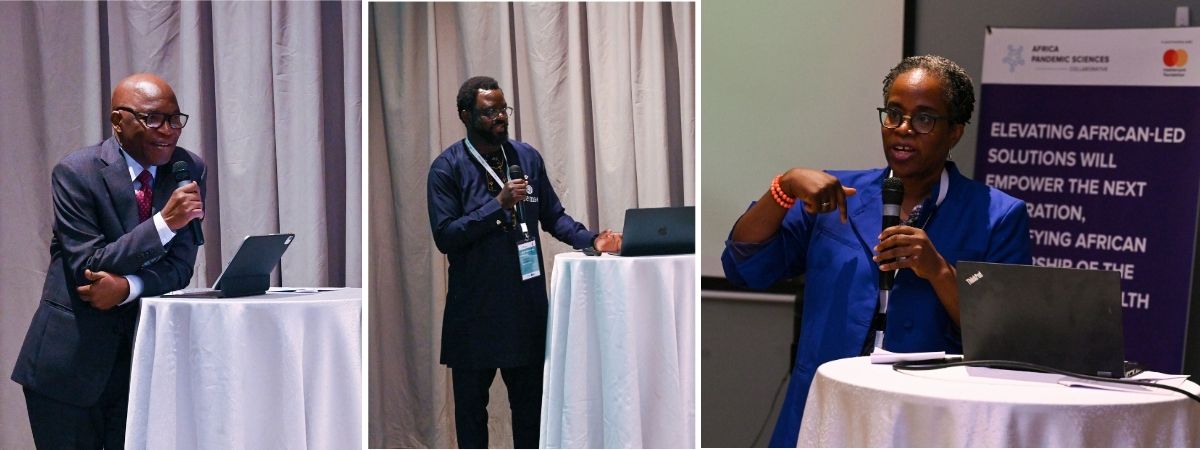
Prof. T.O. Ogundiran (University of Ibadan), Dr Chinedu Ugwu (Redeemer's University) and Carol Nuga (Mastercard Foundation) delivering their addresses during the workshop's opening ceremony.
Prof. T.O. Ogundiran (University of Ibadan), Dr Chinedu Ugwu (Redeemer’s University) and Carol Nuga (Mastercard Foundation) delivering their addresses during the workshop’s opening ceremony.

Building shared understanding and operationalisation of the MEAL Function

Over the four-day workshop, participants explored the structure of the Collaborative, the role of MEAL as a cross-cutting function, and the distinction between programme-level implementation by the EPSILONs and the overarching strategy led through wrap-around activities. Sessions reflecting on the Collaborative’s Theory of Change prompted deep discussion on accountability, influence, contextual differences and how MEAL can capture progress in real time.

The workshop also surfaced operational realities – from language diversity and bureaucratic constraints to the need for clear data responsibilities and integrated reporting systems. Demonstrations of the Collaborative’s MEAL tool helped teams understand how indicators, dashboards and learning inputs will be managed across institutions.

A panel on research-to-policy influence underscored the importance of trust, evidence synthesis, and science communication – key capabilities the Collaborative aims to strengthen across EPSILON teams. Additional sessions focused on impact storytelling, responsible communication, and the role of MEAL in shaping narratives of change.

Days three and four focused on translating principles into practice. Teams reviewed indicators at EPSILON and Collaborative levels, explored data flow and responsibilities, and discussed the MEAL tool that will support real-time reporting and learning.

By the final day, participants revisited the Collaborative’s Theory of Change with new clarity, refining their contributions and areas of influence. The workshop closed with a shared commitment to co-creation, continuous learning, and to building MEAL systems that reflect African contexts and strengthen pandemic readiness.

“This meeting has been engaging and packed with a lot of information. But most importantly, it has been useful in clarifying a lot of things, especially at the beginning of our work in the consortia, before activities kick-off and we need to change tack mid-way. I am grateful for this opportunity and go away with a better understanding of what lies ahead of us,” said Purity Wambui, a MEAL lead from the CLEAR-Africa consortium.

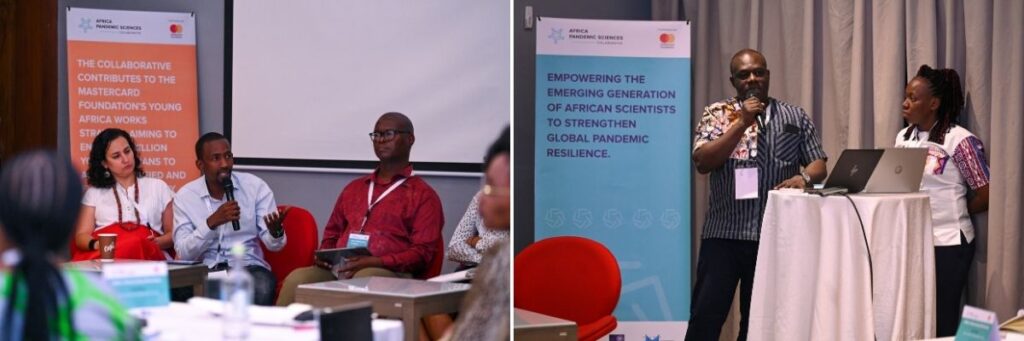
(Left) Montage Diallo responds to a question during the research-to-policy panel session. (Right) Wandaogo Haiga and Charles Guissou presenting the MOSEPIC's Theory of Change
(Left) Montage Diallo responds to a question during the research-to-policy panel session. (Right) Wandaogo Haiga and Charles Guissou presenting the MOSEPIC’s Theory of Change

Looking Ahead

Across four days, one message rang consistently: this Collaborative is an opportunity to build something transformative – not only for institutions, but for African health systems, scientific ecosystems, and future generations of researchers and policymakers.

The MEAL onboarding workshop did more than align frameworks. It built trust. It clarified roles. It surfaced the complexity and promise of working across contexts, disciplines and expectations. And it reminded participants that the strength of the Collaborative lies in the people driving it.

“Having missed the inception meeting in Nairobi, I am grateful for the opportunity to be a part of this workshop. Before this, I was very confused about the whole Collaborative and how it works. I also had a limited scope to the objectives and goals of the programme. But now, I have a big picture view of what we are trying to do, and how everything fits in together,” said Dr Chinedu Ugwu, a co-lead from the SPIL-OVA consortium.

Together, the Collaborative is laying the groundwork for rigorous science, stronger systems, and evidence that genuinely shapes Africa’s readiness for future epidemics and pandemics.

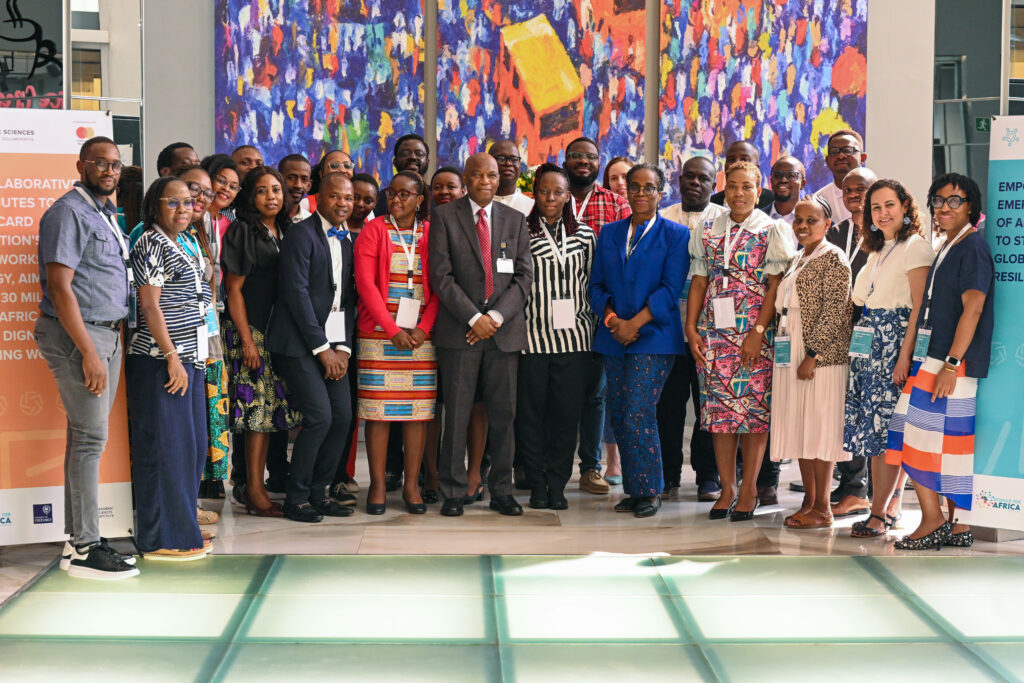
Participants from the MEAL onboarding workshop pose for a group photo with the Provost (College of Medicine, University of Ibadan) Prof T.O. Ogundiran and Carol Nuga, the Director of Impact, Mastercard Foundation

Informing an equitable pandemic response with social science evidence – strategies and recommendations for researchers, policy actors and funders 

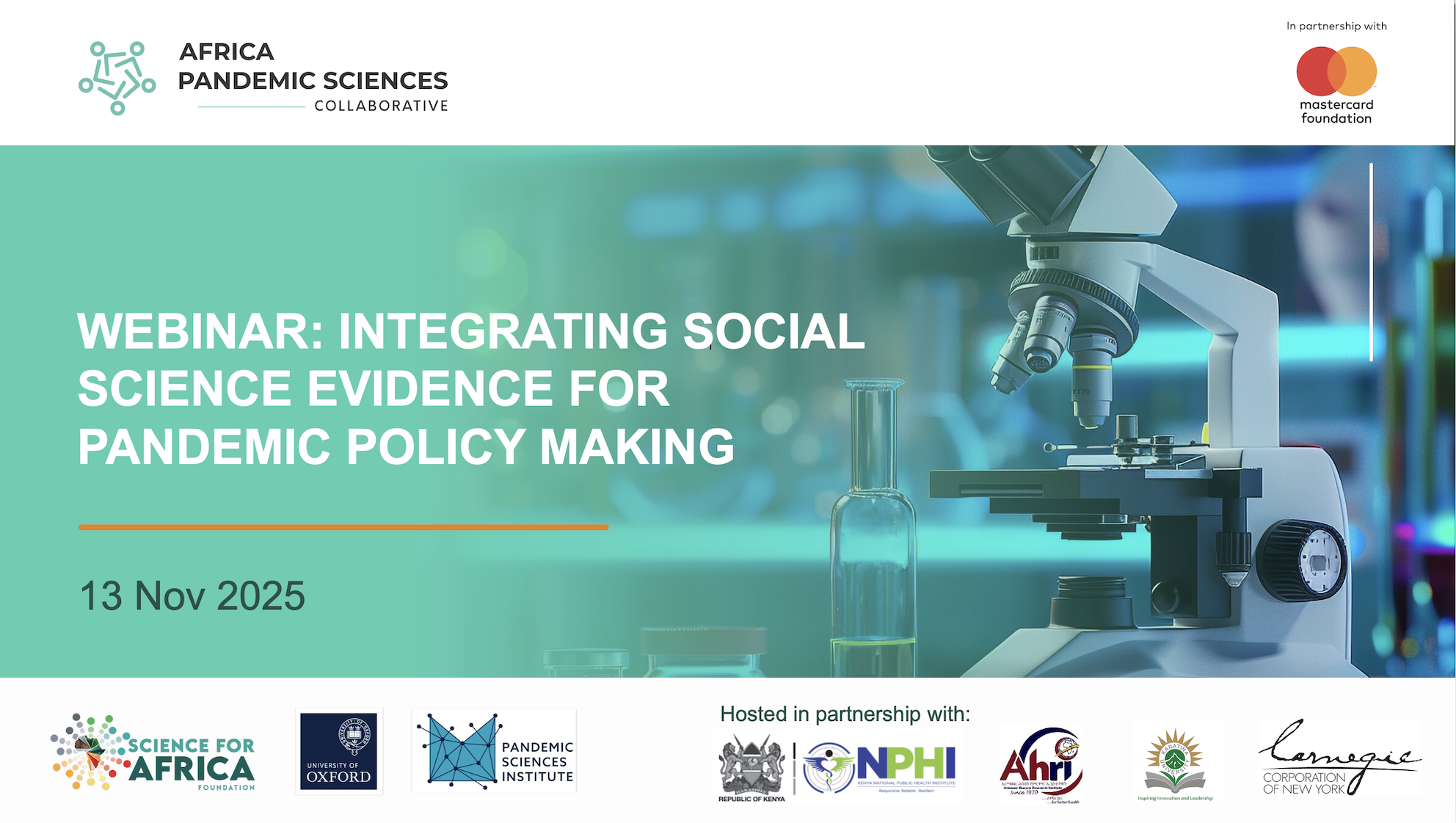
Africa’s pandemic response efforts will remain incomplete without fully integrating social science into policy and planning. This was the central message from a recent webinar co-hosted by the Africa Pandemic Sciences Collaborative and the Kenya National Public Health Institute. 

Titled Integrating Social Science Evidence for Pandemics Policy Making, the webinar delved into continent-wide experiences of dealing with pandemics to understand how social science contributes to pandemic preparedness and response in practice.  

 Two social scientists, Teklu Cherkose (Armauer Hansen Research Institute) and Professor Kellen Kiambati (Karatina University), presented an arguement from their research and practise on why this shift is overdue – and how it can be achieved. 

 Mr Cherkose focused on COVID-19 response in Kenya and Ethiopia, highlighting the social sciences evidence behind specific policy interventions – including rapid household surveys that revealed income and food insecurity. Supported by theoretical framing, he outlined the relevance of social science evidence to pandemic policy: from understanding public behaviour and building trust to addressing inequalities worsened by pandemics and improving feedback loops. 

Mr Cherkose also identified existing gaps in the use of social sciences evidence, including the deployment of “ad hoc” and reactive measures. His recommendations to policy actors, researchers and funding partners also included advocacy for the institutionalisation of social science capacity.    

“National emergency management institutions should establish permanent, interdisciplinary units that brings social, behavioural and biomedical expertise together, not just during a crisis, but as critical parts of health systems planning. These units will ensure that social science and epidemiological evidence is combined in managing outbreaks from the start,” said Mr Cherkose.  

 Professor Kiambati reinforced these messages by drawing on practical experiences from her research working with communities. Like Mr Cherkose, she, too, highlighted institutionalisation as a strategy. Consolidating the use of trusted local structures for communications and engagement activities, she argued, will result in increased institutional capacity for social science evidence sharing and uptake. 

 While sharing strategies to address ‘murky’ policy making processes, Professor Kiambati emphasised the central role of co-creation between researchers and policy makers. She also positioned knowledge valorisation as a policy objective, creating practical value for the entire society. 

 The principles of co-creation, capacity strengthening and knowledge continuity highlighted by Mr Cherkose and Professor Kiambati reflect principles that underpin the Collaborative’s model. The Collaborative is designed to connect institutions, strengthen scientific ecosystems and ensure evidence flows seamlessly across borders and disciplines. This is how Africa builds long-term resilience. 

 The open invitation and attendance from institutions across Africa aligned with the Collaborative’s vision of promoting partnerships and collaborative exchanges across the continent. During and after the event, the speakers received multiple requests to connect and move conversations forward, demonstrating the potential of their work in contributing to a more robust research ecosystem across the continent. 

 Their shared recommendation, embedding social science expertise in health systems before crises hit, underscored a growing recognition across the continent that pandemic preparedness must be as much about people as pathogens. 


Watch the full webinar recording on YouTube via the link below:


About our Speakers 

Teklu Cherkose is a social science researcher and PhD fellow at the Armauer Hansen Research Institute in Ethiopia under DELTAS Africa II ALC consortium.  His work investigates how health interventions can be effectively integrated into communities.  Using a mixed methods approach, he examines the interplay of actors, interventions, and context by integrating patient, community, and stakeholder perspectives, ultimately aiming to shape effective and sustainable health policies. Mr Cherkose is also a grantee of the Africa Pandemic Sciences Collaborative’s Individual Policy Exchange Program (iPEP).  

Professor Kellen Kiambati is a social scientist from Kenya, specialising in pandemic response and community engagement. Her work turns research findings into practical action. Prof Kellen is an Associate Professor at Karatina University and an SFA Foundation grantee under the Possible Africa initiative. 


MosEPIC consortium launches innovative surveillance programme to track emerging pathogens across Africa

Accra, Ghana | 27-29 October 2025

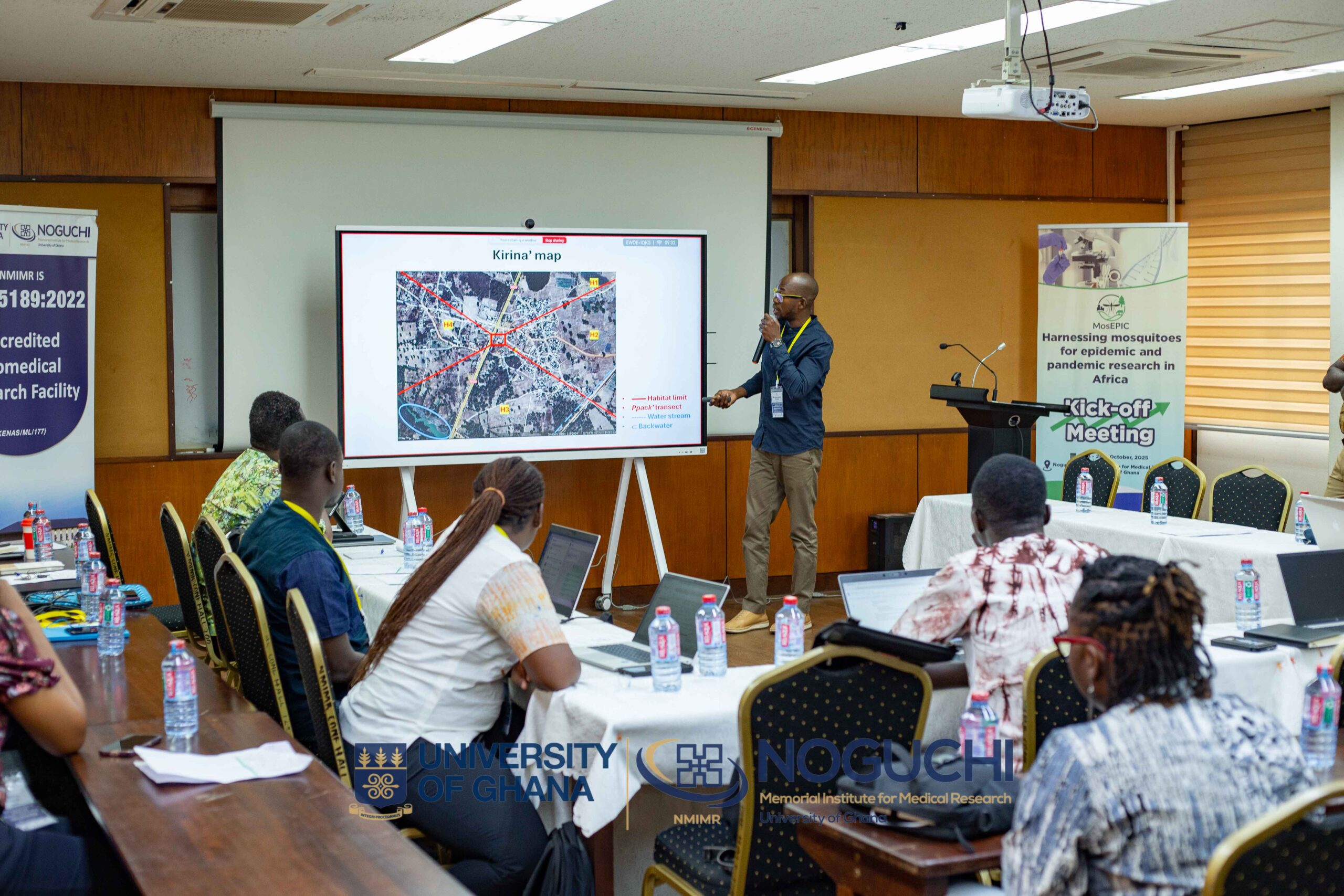
The MosEPIC consortium has officially launched its programme to strengthen epidemic surveillance across Africa by monitoring how pathogens move between humans, animals, and the environment. The initiative introduces a novel approach that uses mosquitoes as natural samplers to detect exposure to a wide range of pathogens across the “urban–rural–forest continuum,” where human activity is rapidly reshaping ecosystems.

The project focuses on three interconnected dimensions—mosquito species, vertebrate hosts, and pathogens—to better understand how environmental change influences connectivity and zoonotic disease risk. Using advanced serological and metagenomic tools, the team will analyse mosquito bloodmeals to detect past exposure to around 20 pathogens with epidemic potential, including Ebola, Lassa, chikungunya, and dengue. Additional fieldwork will examine hotspots such as wildlife reserves, bat caves, and live-animal markets, while high-altitude sampling of windborne mosquitoes will help track long-distance movement of vectors and pathogens.

Speaking at the inception meeting, the consortium lead Dr Abdoulaye Diabaté, highlighted the transformative potential of the approach: “By harnessing mosquitoes as bio-samplers for epidemic surveillance, we will be able to potentially detect up to 20 pathogens. Our research findings will tangibly enable us to strengthen early-warning mechanisms and help authorities take appropriate measures to counter epidemic threats.”

Dr Hamidou Maiga, a Project Officer, underscored the programme’s long-term value: “This project will bring a new generation of young and well-prepared scientists to tackle emerging and re-emerging pathogens in West Africa.”

On the importance of community engagement, Dr Léa Paré emphasised: “We must develop adapted communication tools and translate our key messages into local languages to establish a constructive dialogue. This process is crucial for strengthening community engagement and ensuring a complete understanding of MosEPIC objectives.”

Reflecting on the programme’s capacity-building goals, Dr Nouhoun Traoré, Postdoctoral Scientist, noted: “The MosEPIC project presents a considerable opportunity to mitigate mosquito-borne public health risks. Besides validating a surveillance system, it will build capacity across participating nations by training students and postdoctoral researchers in the early detection of potential vector-borne diseases.”

The consortium begins its work with a shared commitment to generate robust baseline data, improve early-warning systems, and support strategies that can help prevent and mitigate future epidemics across the continent.

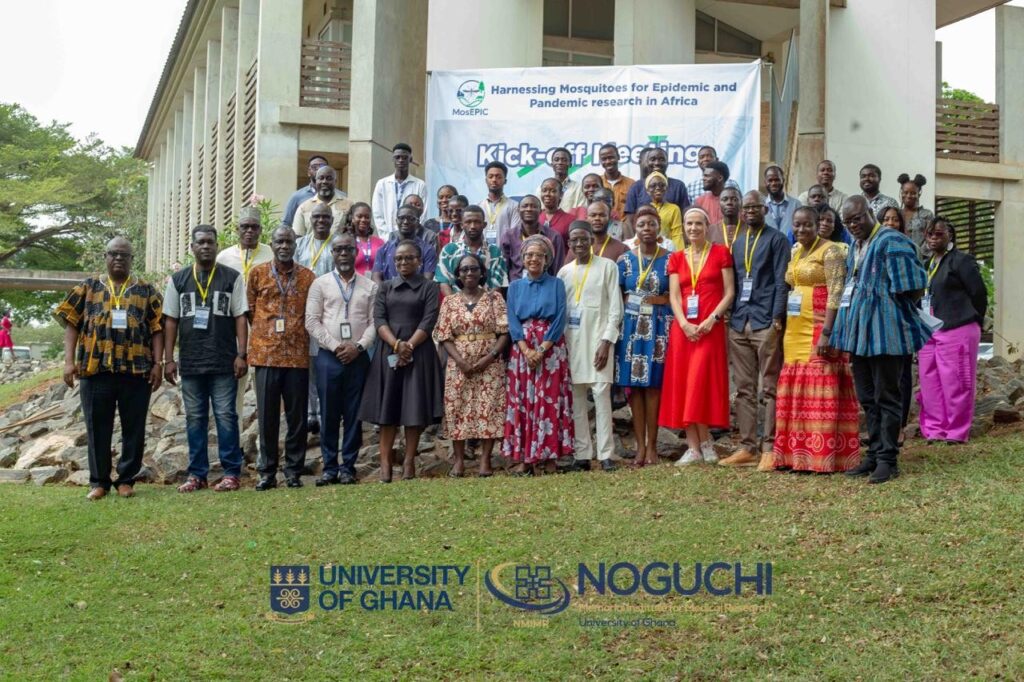
The MOSEPIC consortium team pose for a group photo during their inception meeting in Accra, Ghana.


Listen to Dr Diabaté introducing the MOSPEIC consortium here:


CLEAR-Africa consortium sets direction at inception meeting in South Africa

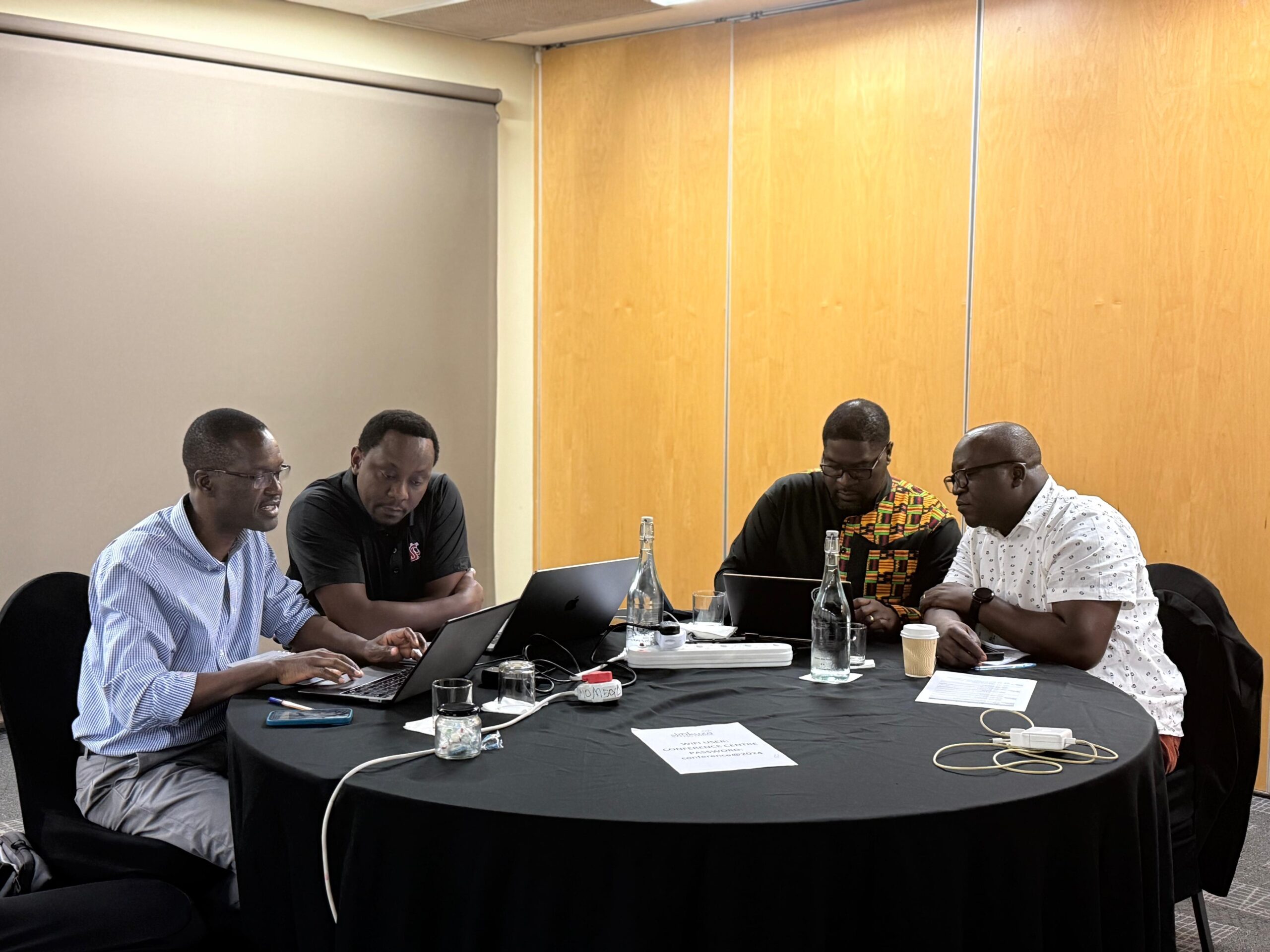
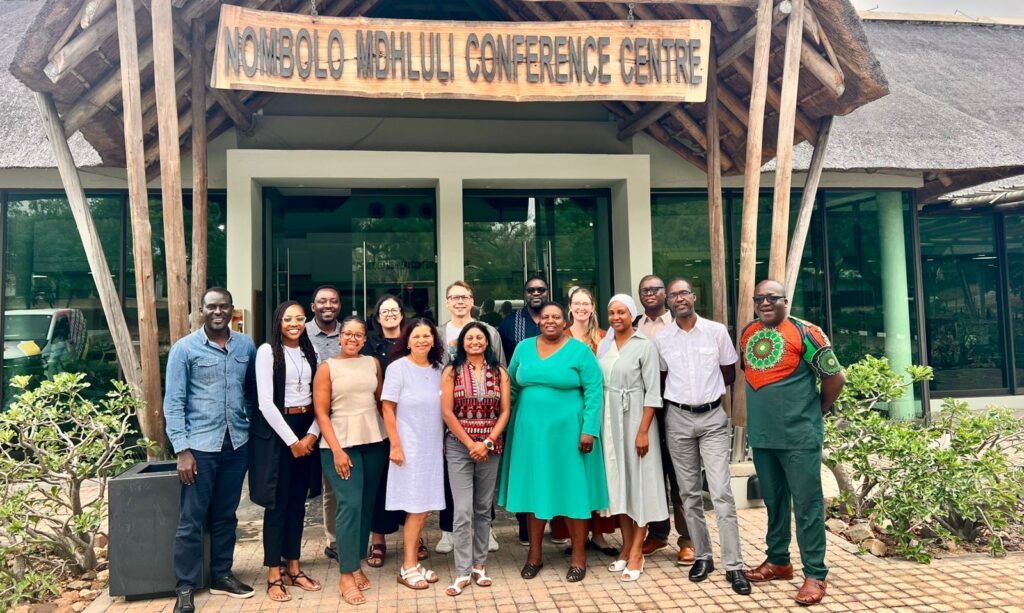
The CLEAR-Africa consortium held its inception meeting from 14–18 October 2025 at Skukuza Safari Lodge in South Africa, bringing together principal investigators and research teams from all six partner institutions. The meeting marked the official launch of a programme aimed at strengthening national and regional resilience by developing epidemiological-economic modelling frameworks to inform evidence-based decision-making.

Over three days of technical and planning sessions, partners established a shared vision, aligned methodologies, and outlined work-plans for the next two years across all work packages.

Day 1 focused on orientation and technical grounding. Teams conducted stakeholder mapping exercises and reviewed approaches to epidemiological and microeconomic modelling, including data needs, contextual differences, and considerations around ethics and data governance.

Day 2 centred on integrating work packages. Participants examined how the modelling components will align and discussed strategies for policy implementation and translation. They also explored capacity-building mechanisms—such as knowledge-translation workshops and consortium awards—and drafted activity schedules for the coming two years.

Day 3 addressed governance, financial management, and communication. Finance officers reviewed reporting guidelines, while governance discussions covered the formation of an advisory board. Partners also clarified communication protocols and expectations, closing with a Q&A session with the SFA team.

The meeting concluded with partners aligned on next steps and equipped with a coordinated plan to advance CLEAR-Africa’s modelling and capacity-building goals across the continent.

CLEAR Africa consortium team pose for a group photo during their inception meeting in South Africa


Listen to Dr Silal introducing the CLEAR Africa consortium here:

SPIL-OVA launches proactive surveillance for zoonotic viruses to strengthen Africa’s pandemic preparedness

The Surveillance Platforms and Immunology for Zoonotic Viruses with Pandemic Potential in Africa (SPIL-OVA) programme has officially launched, marking a major step toward proactive pandemic preparedness on the continent. The initiative focuses on identifying and characterising high-risk viruses circulating in African bat populations before they spread to humans or domestic animals.

SPIL-OVA will collect bat samples from East, West, and Southern Africa and use advanced laboratory and computational techniques to analyse viral diversity and assess spillover risk. By comparing newly identified bat viruses with known human and animal pathogens, the programme will flag viruses with pandemic potential for further laboratory testing. Where a high likelihood of human infection is identified, prototype vaccine components—known as immunogens—will be designed to support rapid outbreak response.

Reflecting on the kick-off meeting, Prof Charles Sande described the programme as a milestone for African-led science, “It was a coming of age moment, where the continent’s scientific priorities were defined by Africans, led by Africans and managed by Africans.”

For Dr Constantinos Kurt Wibmer, the launch signalled the start of discovery-driven science: “SPIL-OVA kicked off a thrilling hunt for hidden viruses… decoding every fold and helix, spilling viral secrets one crystal blueprint at a time.”

The kick-off meeting brought partners together for in-depth planning and scientific exchange, setting the foundation for long-term collaboration. Dr Jinal Bhiman noted that the discussions highlighted the strength of the consortium, “The meeting was an excellent prelude to the next five years of collaboration as we drive next-generation innovation and strengthen Africa’s pandemic preparedness.”

Looking ahead, Dr Chinedu Ugwu emphasised the programme’s broader impact, “From elucidating Africa’s bat virome to creating immunogen libraries, we are building the foundations for future vaccines and global health resilience.”

By combining virus discovery, risk analysis, and vaccine preparedness, SPIL-OVA aims to create an early-warning system that shifts pandemic response in Africa from reactive to preventive.

PREPARE network launches to strengthen Africa’s readiness for emerging viral threats

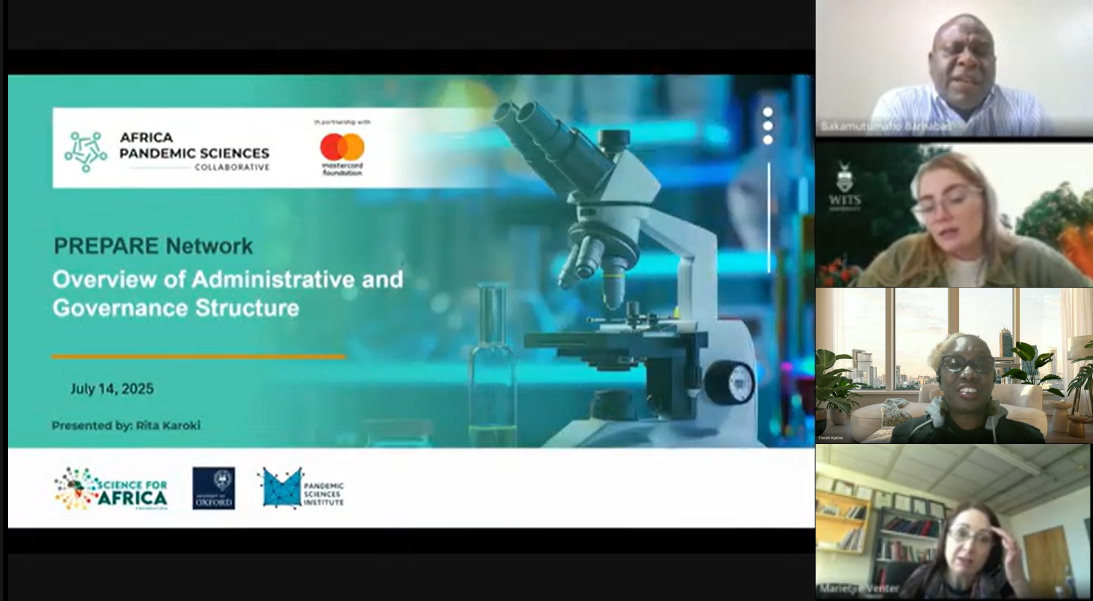
The Prevention and Response to Emerging Viruses with Pandemic Potential in Africa (PREPARE) Network officially launched with a virtual inception meeting held on 14 July 2025, bringing together project teams from Kenya, South Africa, Uganda, Côte d’Ivoire, and the Democratic Republic of the Congo. The meeting marked the start of a five-year programme aimed at strengthening Africa’s capacity to detect, prevent, and respond to emerging and re-emerging viral threats.

Led administratively by the Africa Population and Health Research Center (APHRC) and scientifically by Wits University, the inception meeting focused on introducing country teams, aligning on governance and administrative processes, and outlining the programme’s scientific and capacity-strengthening priorities. Partners endorsed a governance structure that includes a Management Committee and an independent Scientific Advisory Board to guide scientific quality and oversee capacity-building awards.

PREPARE is establishing key regional nodes across South, East, and West Africa, with a focus on clinical disease surveillance, multi-pathogen diagnostics, genomics and pathogen discovery, prototype vaccine development, and capacity strengthening. Clinical sites will use retrospectively collected samples alongside expanded prospective syndromic surveillance in humans, animals, and the environment to detect both known and unknown pathogens.

Capacity strengthening is a core pillar of the programme. Partners reviewed planned investments, including PhD positions, fellowships, exchange awards, and catalyst grants, alongside discussions on monitoring, evaluation, and communications. Country teams also shared existing surveillance platforms and laboratory capabilities, confirming strong foundations for implementing the programme’s One Health approach.

The meeting concluded with agreement on immediate next steps, including finalising contracts, constituting the Scientific Advisory Board, onboarding research staff once funds are released, and establishing regular check-ins to support coordinated implementation across the network.

up-arrow white-up-arrow